Home Improvement
20 Ways to Get Rid of Mosquitoes Naturally That Keep Evenings Calm and Bite Free
By Anna Wells · · 17 min read
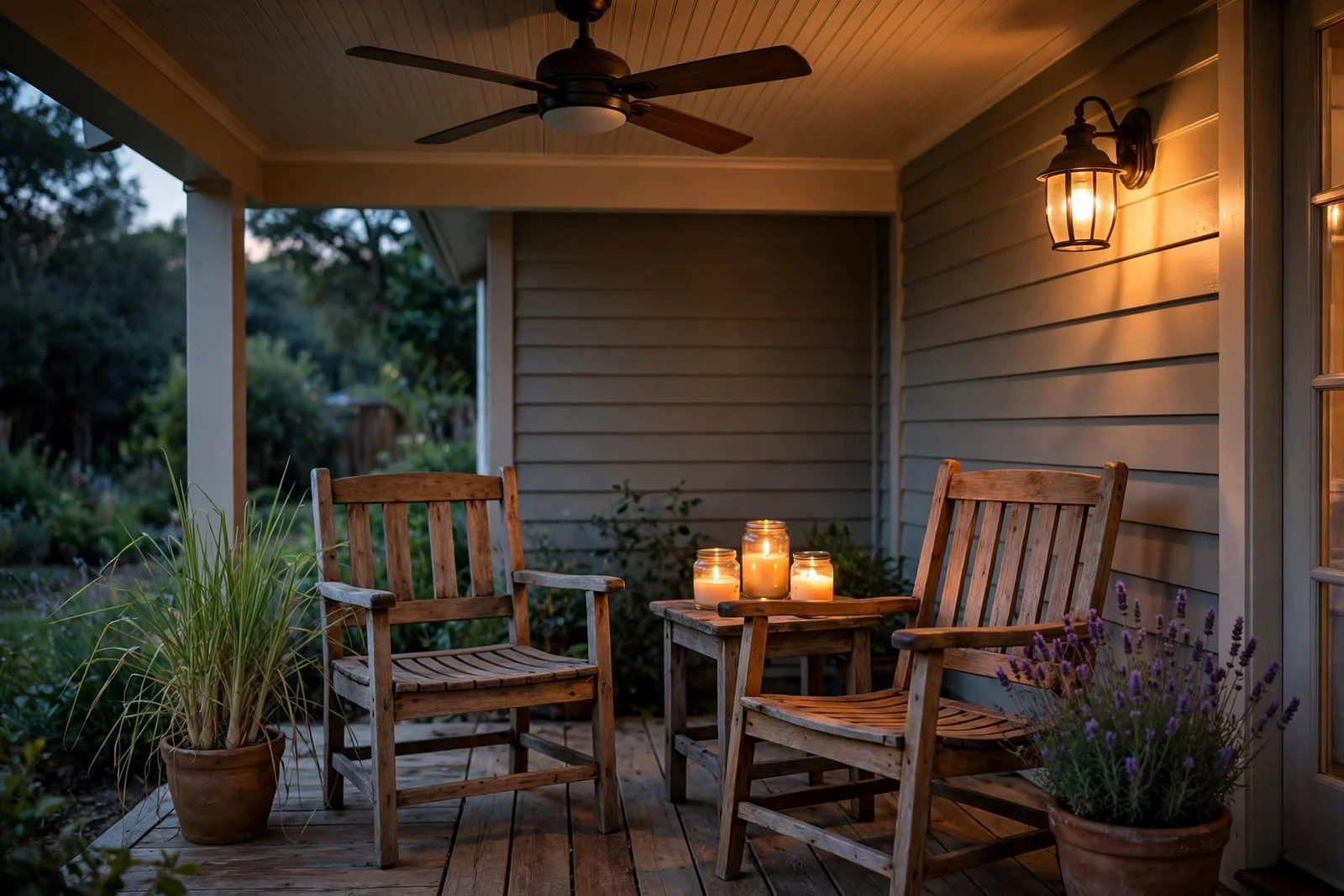
If your porch sits empty on warm evenings because of mosquitoes, gentle changes can bring it back to life.
There is a particular kind of evening that belongs to summer: the light turns gold, the air softens, and the porch calls you out with a cold drink and a comfortable chair. Then the first mosquito arrives, and the evening shrinks back indoors. It does not have to be that way.
This collection gathers twenty practical, chemical-free ways to keep mosquitoes away from your porch, patio and garden. Every idea works with nature rather than against it: draining the water they breed in, stirring the air they cannot fly in, growing fragrant plants they dislike, and choosing light that does not invite them closer.
None of these ideas requires special skills or harsh sprays. Most cost little or nothing, many of them make the garden look better along the way, and all of them are safe for children, pets and the family table. You can start with just one or two this weekend.
Work through the list at your own pace, beginning with the water and the air, then add the plants, the candles and the warm light. Here are the twenty ideas.
1. Tip and Empty Pot Saucers and Small Containers Once a Week

Mosquitoes lay eggs in water as shallow as a bottle cap, and a single plant saucer can hatch a new generation in under ten days. Walk the porch, steps and garden once a week with a small bucket and tip every saucer, tray and decorative bowl completely. Rinse each one before setting it back, since eggs can cling to dry plastic and hatch when rain refills them. Keep a folded cloth by the door as a reminder.
The mistake most people make is tipping saucers but leaving pots sitting in shallow trays that refill overnight. Lift each pot to check whether water pools underneath, and choose saucers shallow enough to dry by evening. During wet weeks, skip saucers entirely for established plants and let pots drain onto gravel. This one habit costs nothing and removes more mosquitoes than any spray.
2. Scrub and Refill the Birdbath Every Three to Four Days

A birdbath is a mosquito nursery if the water sits still for a week. Scrub the basin with a stiff brush and refill it every three to four days, which breaks the breeding cycle before larvae can mature. Pour the old water onto soil or gravel, never into another container, and wipe the rim where eggs sometimes collect. Choose a shallow basin under 8 cm deep so it dries faster and birds can perch safely.
Place the bath where morning sun reaches it, since sunlight warms and evaporates shallow water through the day. A small solar-powered wiggle disc can keep the water moving, which discourages egg laying without any wiring. The common mistake is tucking the bath into a dark, sheltered corner where water stays cold and still all week. Fresh water every few days keeps birds happy and mosquitoes out.
3. Float Bti Dunks in Rain Barrels and Pond Edges

Bti dunks are small doughnut-shaped discs made from a natural soil bacterium that kills mosquito larvae while leaving fish, birds, pets and plants alone. Float one dunk per 9 square metres of water surface in rain barrels, small ponds or decorative fountains. They work for about thirty days, then you simply replace them. For barrels, rest the dunk in a mesh bag so it does not sink into the sediment.
One dunk costs very little, and a typical rain barrel needs only four discs to cover a whole season. The mistake to avoid is treating water that flows away from your property while ignoring the stagnant barrel by the porch; still water is the real target. Keep a spare pack near your watering supplies so replacement day never slips. Bti is widely approved for organic gardens and safe for watering vegetables.
4. Aim an Oscillating Outdoor Fan at the Seating Area

Mosquitoes are weak fliers, and a steady breeze of even 2 metres per second stops them landing on skin. Set an outdoor-rated oscillating fan about 2 to 3 metres from your chairs, aimed at seating height rather than the floor. A 40 cm pedestal or box fan on medium speed covers a typical four-chair conversation area. Run it on a simple outdoor timer so it switches on half an hour before you sit down.
Place the fan slightly to one side so the airflow sweeps across everyone without chilling drinks or scattering papers. The common mistake is pointing the fan straight at legs from below, which leaves faces and arms unprotected. For budget buyers, a basic weather-resistant fan under 40 pounds or dollars works fine; spend more only for quieter models on a small porch. Always choose fans with sealed motors for damp air.
5. Hang a Covered-Porch Ceiling Fan for Steady Air Movement

A ceiling fan on a covered porch keeps air moving over the whole seating area, which discourages mosquitoes all evening long. Choose a fan rated for damp locations with a blade span of 110 to 130 cm for porches up to 12 square metres. Mount it at least 210 cm above the floor and 30 cm below the ceiling for safe, effective circulation. Reversible motors set to push air downward give the strongest breeze.
Run the fan on medium from sunset until you come inside; even low speed makes a real difference. The mistake to avoid is fitting a fan too small for the space, which stirs only the air directly beneath it. Pair the fan with warm amber bulbs so the light itself attracts fewer insects. This is an investment purchase, but it also cools the whole family through hot evenings for years.
6. Mend Torn Window and Door Screens With a Patch Kit
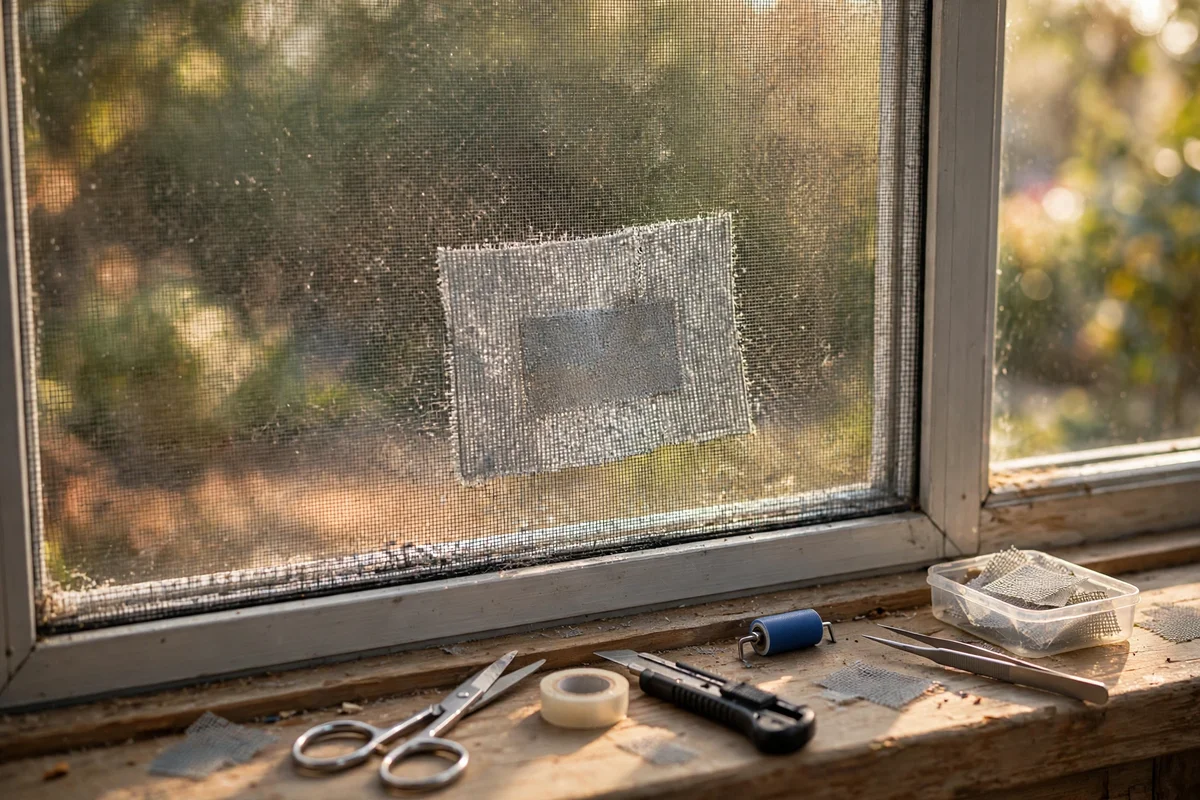
A torn screen turns a quiet evening indoors into a mosquito welcome party. Inspect every window and door screen twice a year, looking for holes larger than a pea and loose frame corners. Small tears mend in minutes with adhesive mesh patches, cut 2 cm wider than the hole and pressed firmly onto the clean screen. For larger rips, replace the whole mesh panel using spline and a simple rolling tool.
Choose fibreglass mesh with a fine 20-by-20 weave, which blocks mosquitoes while still letting evening breezes through. The mistake to avoid is leaving the kitchen door propped open during cooking; fit a magnetic closing screen or a simple spring hinge instead. Keep one patch kit in a drawer so repairs happen the same day you spot them. Good screens are the cheapest long-term defence your home has.
7. Pot Lemongrass in Large Planters Beside the Chairs
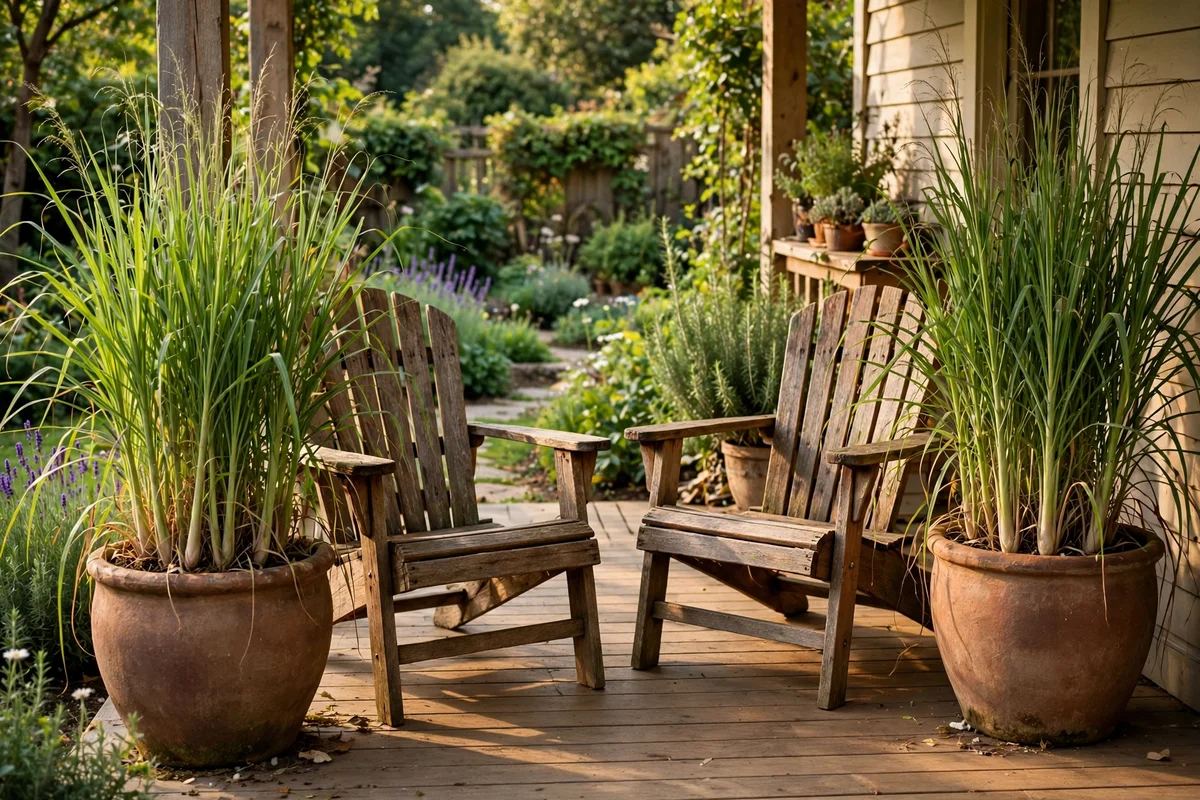
Lemongrass carries a fresh citrus scent that mosquitoes dislike, and a big clump near seating releases it whenever the breeze stirs the blades. Plant one division per 30 cm pot in rich, free-draining compost and set the pots flanking your chairs like living columns. Give them full sun and water deeply once the top 3 cm of soil dries out. In cooler climates, bring the pots indoors before the first frost.
Bruise a few blades gently between your fingers before sitting down to release more of the scent. The common mistake is planting lemongrass directly in the border, where it spreads aggressively; pots keep it contained and movable. One large nursery pot costs little and fills out within a season. Harvest stalks for family cooking as a bonus, which keeps the clump tidy and productive.
8. Line the Porch Steps With Flowering Lavender Pots

Lavender’s fragrant purple flowers scent the porch steps and discourage mosquitoes from settling nearby. Use terracotta or stone pots at least 25 cm wide with a gritty, sandy compost, since lavender hates wet roots. Space pots on every other step or cluster three at the base of the stairs for a gentle aromatic barrier. Compact English varieties like Hidcote stay neat and handle light frosts well.
Water only when the soil feels dry an inch down, and trim spent flower heads through summer to encourage a second flush of blooms. The mistake to avoid is feeding lavender with rich fertiliser, which produces floppy green growth with less scent. Lavender pots also pair beautifully with warm evening light, adding soft colour to the steps. A set of three mid-size pots is a modest one-time cost.
9. Keep Basil Planters by the Doorway for Scent and Snipping
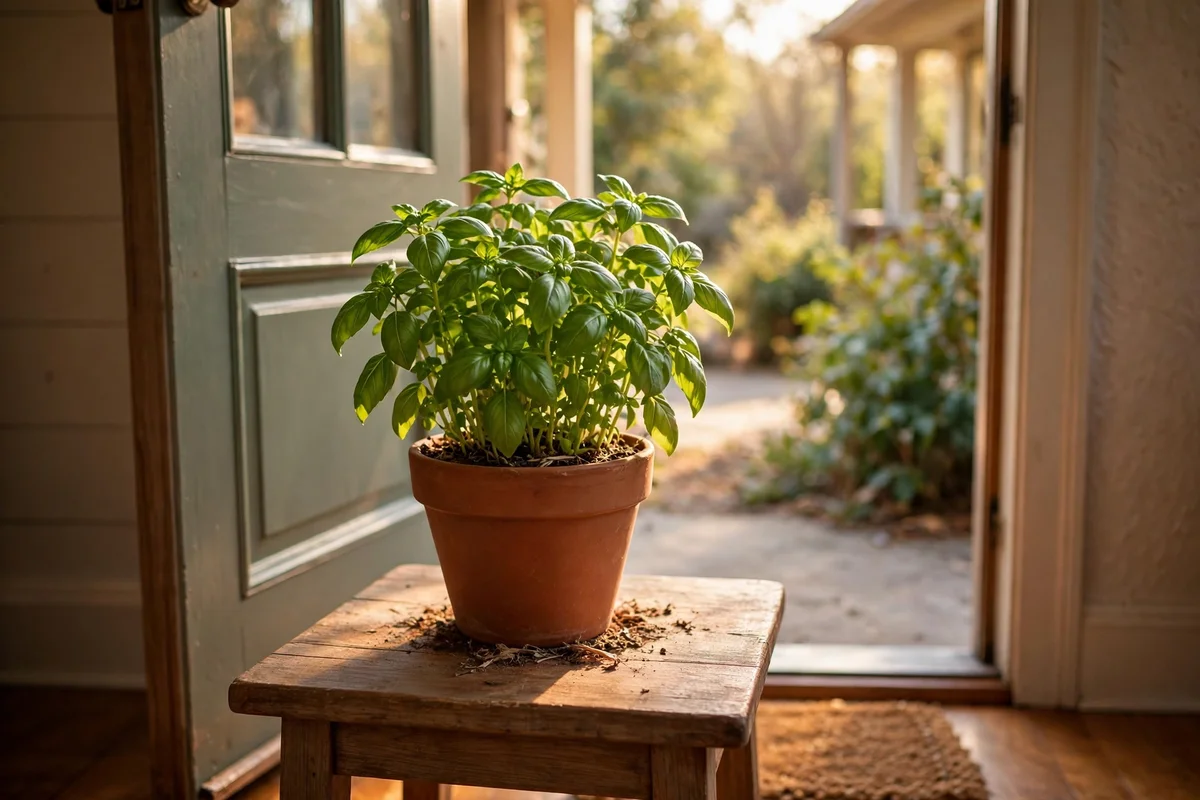
Basil releases one of the strongest mosquito-repelling scents of any kitchen herb, and a pot by the doorway puts that scent exactly where insects try to enter. Grow two or three plants in a 25 to 30 cm container of moisture-retentive compost on a sunny doorstep or porch table. Pinch the growing tips weekly to keep plants bushy and productive through the whole season. Water from the base to keep leaves dry.
Choose classic sweet basil or lemon basil, which carries an extra citrus note mosquitoes find unpleasant. The mistake to avoid is letting plants flower, since blooming turns leaves bitter and reduces the fragrant oils. Snip flowers the moment they appear and use the leaves in family cooking. A doorway basil pot doubles as living decoration and a seasoning station for summer meals.
10. Grow Mint in Contained Pots Along the Patio Edge
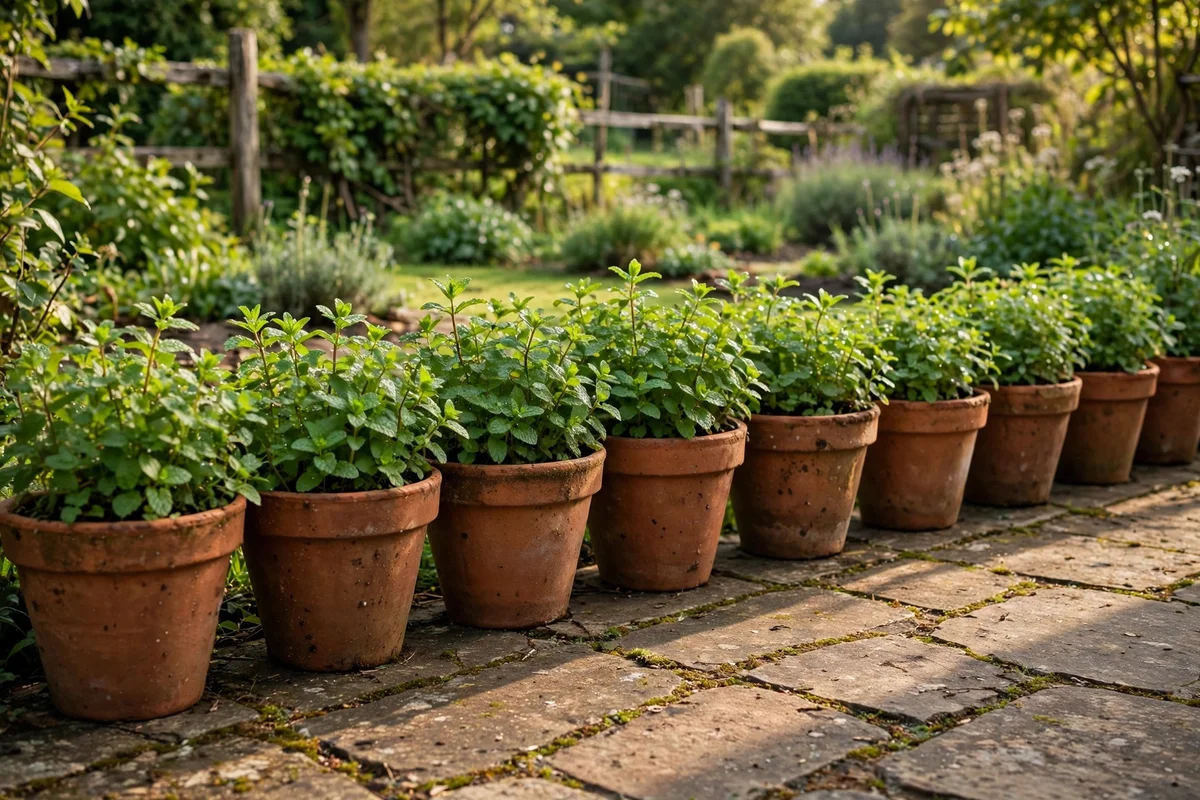
Mint’s cool, sharp scent helps confuse mosquitoes hunting for human smells, but it must stay in pots because it spreads relentlessly through garden soil. Place several 20 cm pots along the patio edge, one every metre or two, to create a scented border around the seating area. Use ordinary multi-purpose compost and water freely, since mint loves moisture. Morning sun with afternoon shade suits most varieties.
Crush a few leaves and rub them between your hands before sitting outside for a stronger burst of scent. The mistake to avoid is planting mint in the ground beside the patio, where it will overrun nearby beds within a single season. Peppermint and spearmint both work well, and trimmings make refreshing family drinks. Contained mint is cheap, fast and nearly indestructible.
11. Cluster Citronella Candles on Side Tables and Trays

Citronella candles work best in calm air and close together, so cluster three to five in glass or metal holders on side tables and trays near seating. Light them fifteen minutes before you sit down so the scent builds up in the still evening air. Choose candles with real citronella oil listed in the ingredients, since fragrance-only versions smell similar but repel less. Keep wicks trimmed to 5 mm for a clean, steady flame.
Place candles at table height rather than on the floor, since the protective zone hovers just above the flames. The mistake to avoid is relying on a single lonely candle ten metres away; mosquitoes simply fly around it. Groupings also look lovely as part of evening decor, glowing softly beside a tray of cups. Buy in multi-packs at the start of summer for the best value.
12. Set Citronella Torches Along the Garden Path

Citronella torches line garden paths with flickering light and steady scent, guiding guests while discouraging mosquitoes along the way. Push each torch stake 15 to 20 cm into firm soil and space them 2 to 3 metres apart, flanking the walkway rather than blocking it. Fill the canisters with citronella torch fuel, not plain lamp oil, and snuff the flames with the cap when you come inside. Store fuel away from children.
Keep torches at least a metre from seating and from overhanging plants for safety. The mistake to avoid is leaving them burning unattended in wind, which can scatter sparks onto dry mulch. Metal and bamboo styles both suit classic gardens; choose weighted bases for gravel paths where stakes wobble. A set of four torches transforms an ordinary evening walk into something quietly festive.
13. Mist Cushions and Curtains With a Natural Plant-Based Spray

A simple spray of witch hazel, water and essential oils of lemongrass, lavender and eucalyptus freshens cushions, curtains and outdoor throws with a scent mosquitoes dislike. Mix 100 ml of witch hazel with 100 ml of water and about 30 drops of oil in a glass spray bottle, shaking well before each use. Mist the fabric surfaces around seating twenty minutes before guests arrive.
Store the bottle in a cool cupboard and make a fresh batch every two weeks, since the scent fades as oils age. The mistake to avoid is spraying silk or delicate fabrics without a hidden patch test first, as oils can stain. Keep the bottle out of reach of small children and label it clearly. This costs pennies per batch and doubles as a pleasant linen freshener.
14. Swap Porch Bulbs for Warm Amber Tones
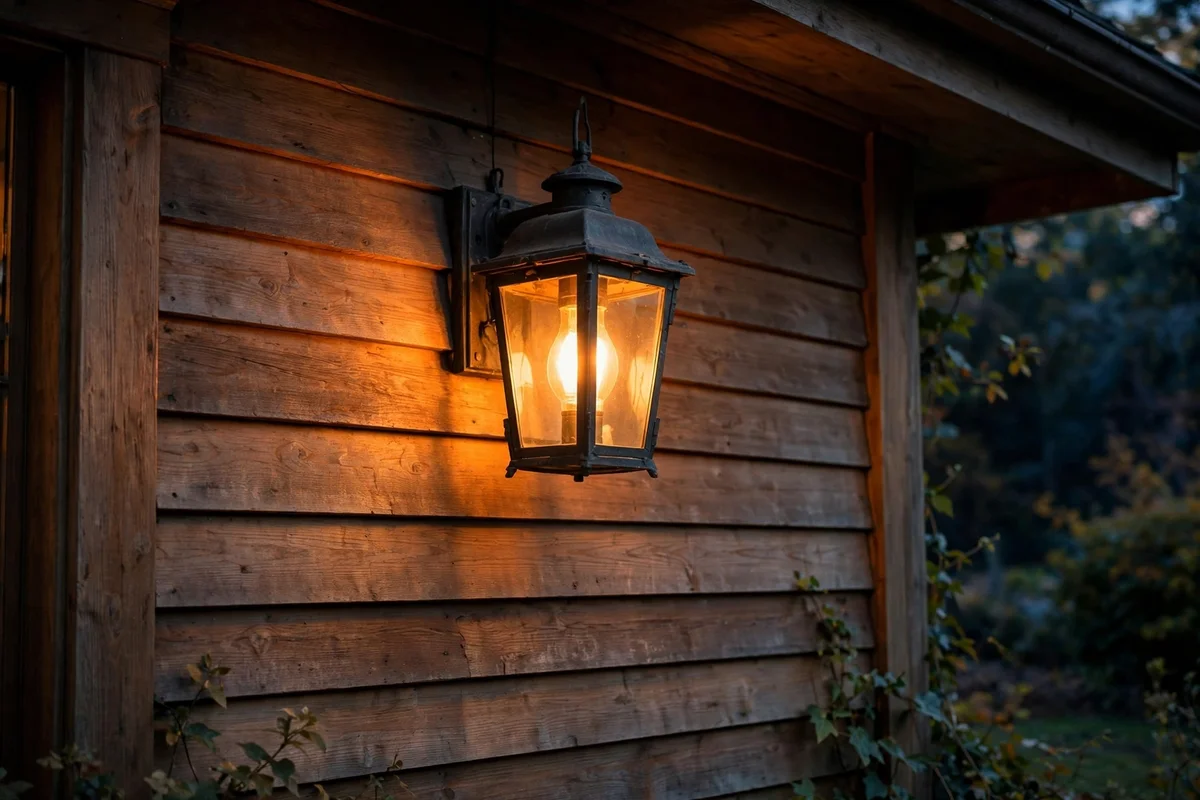
White and blue-toned bulbs act like beacons for night-flying insects, while warm amber light around 2000K draws far fewer. Replace porch and doorway bulbs with amber LED equivalents, keeping the same brightness in lumens so you lose no visibility. Fit them in wall lanterns and ceiling fixtures at least 2 metres from seating, so insects gather at the light rather than at you. Amber LEDs cost little and use minimal power.
Pair amber bulbs with motion sensors on entryway lights so they only burn when someone arrives. The mistake to avoid is leaving the brightest white floodlight on all evening while sitting in a dark corner; insects will swarm the floodlight and drift toward you. Warm bulbs also cast a softer, more flattering glow on wood and stone, improving the whole evening mood.
15. Hang Warm-Toned String Lights Low Over the Table
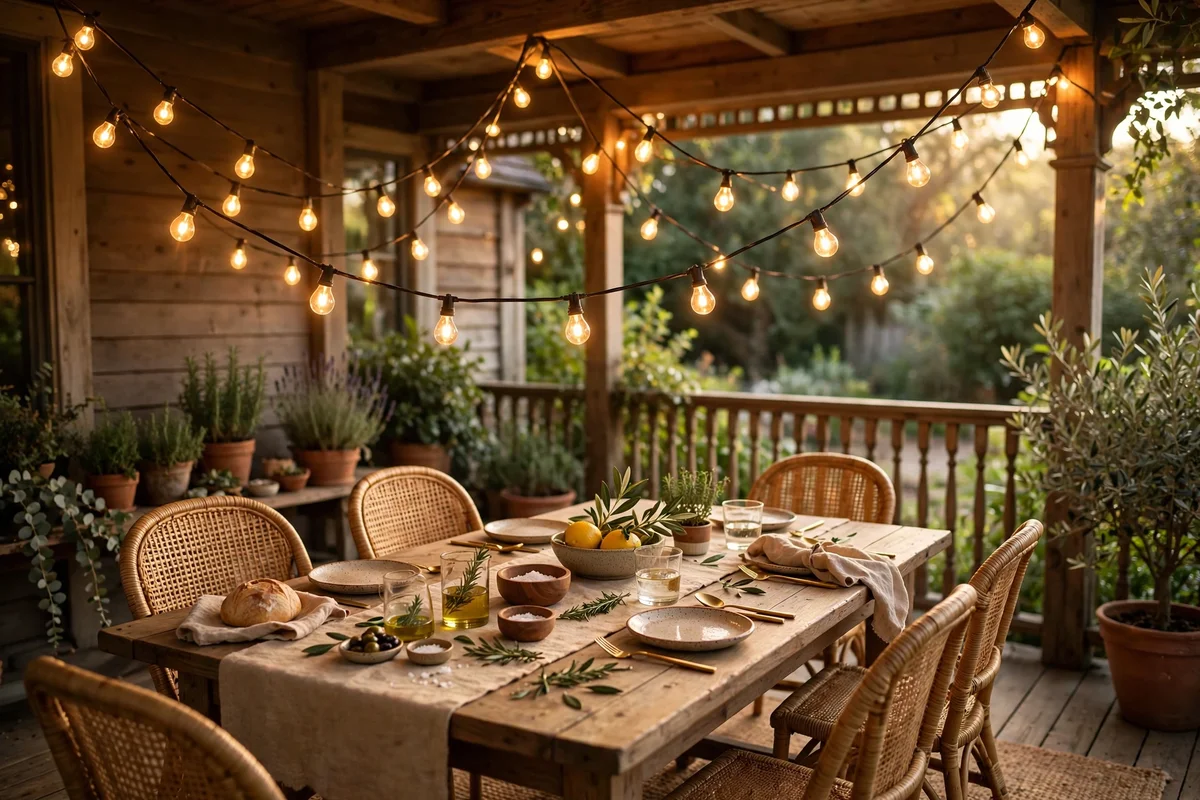
Warm-toned string lights hung low over the table create an inviting glow that attracts far fewer insects than a single bright overhead bulb. Drape two strands in gentle swags about 2 to 2.4 metres above the tabletop, or wrap them along a porch beam so the light washes downward. Choose 2700K or warmer LEDs with small globes, spaced 15 to 20 cm apart for an even sparkle.
Plug the strands into an outdoor timer so they switch off at midnight automatically. The mistake to avoid is buying cool-white strings because they look brighter in the shop; at dusk they pull in every moth and mosquito in the garden. Warm strings use very little electricity and last for seasons. They also photograph beautifully for anyone documenting their summer evenings.
16. Mow and Edge the Lawn to Remove Damp Mosquito Shelter

Tall grass and weedy edges hold the damp, still air where mosquitoes rest through the day. Mow the lawn to about 6 to 8 cm and trim the edges along fences, paths and patio borders every week in summer. Rake up clippings rather than leaving thick mats, which stay wet underneath. Pay special attention to the shady strip right behind seating areas, where insects shelter before evening.
Keep shrubs near the porch pruned so branches sit at least 30 cm above the ground, letting air move freely beneath them. The mistake to avoid is scalping the lawn very short, which stresses the grass and leaves puddles in the thin spots. A well-kept lawn dries faster after rain and gives mosquitoes nowhere to hide. This simple routine costs nothing but a little weekly time.
17. Fill Low Spots So Rainwater Drains Within a Day

Puddles that linger for days after rain are perfect mosquito nurseries, so walk the garden after a heavy shower and mark every spot still holding water after twenty-four hours. Fill shallow dips with a mix of topsoil and sand, tamping it firm and reseeding with grass or ground cover. For larger low areas, a simple French drain of gravel and perforated pipe carries water away to a safe outlet.
Redirect downspout splash blocks so roof water spreads onto the lawn instead of pooling by the foundation. The mistake to avoid is filling low spots with heavy clay soil, which seals the surface and makes pooling worse. Good drainage also protects foundations and patios from water damage. Most gardens need only a few bags of topsoil to fix the worst trouble spots.
18. Clean Gutters and Extend Downspouts Away From the Porch
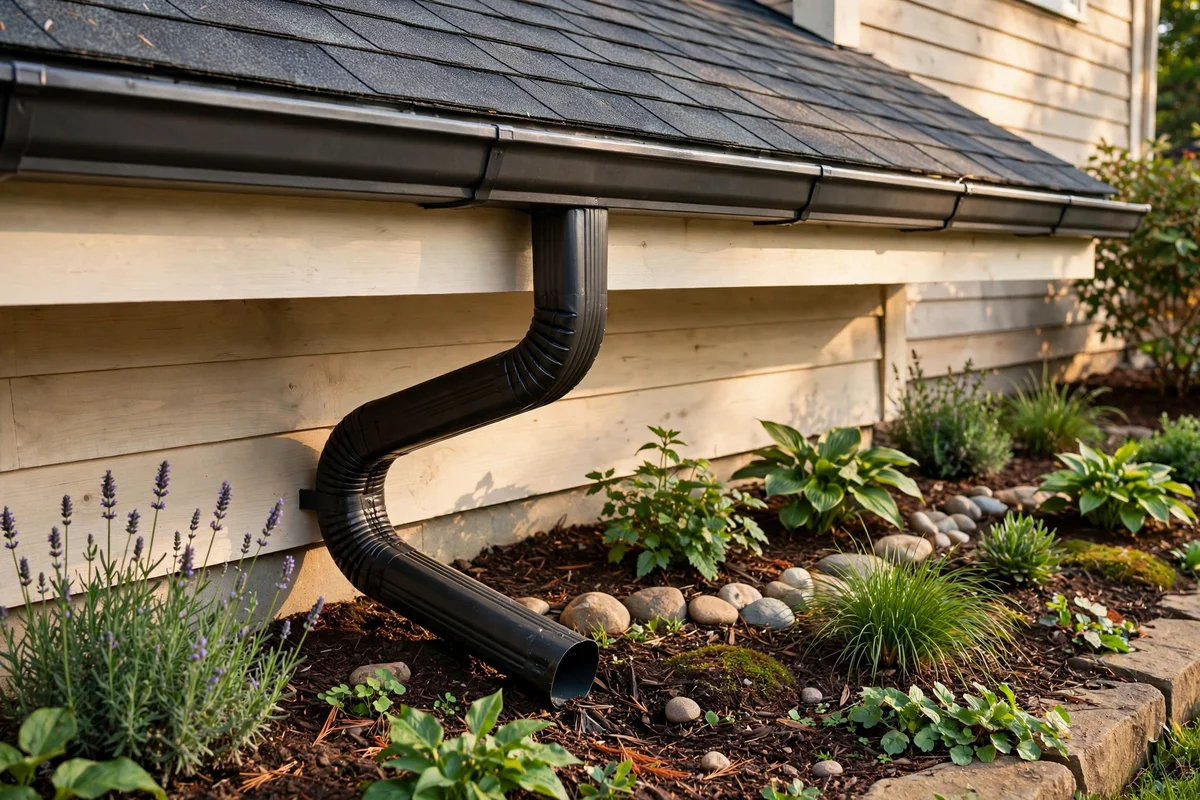
Clogged gutters hold trapped water and rotting leaves where mosquitoes breed out of sight all summer. Clean gutters at least twice a year, in late spring and early autumn, scooping out debris and flushing the channel with a hose. Check that water runs freely toward the downspout and does not pool in sagging sections. Extend downspouts with a simple elbow so water lands at least a metre from the porch.
Fit inexpensive mesh gutter guards if your roof sits under trees, which cuts cleaning to a quick annual check. The mistake to avoid is ignoring the downspout elbow, where a blocked bend can hold a hidden cup of water for weeks. Dry, flowing gutters also protect fascia boards and paintwork. A ladder, gloves and a bucket are all the equipment this job needs.
19. Lift Pots Onto Feet and Gravel Trays for Free Drainage
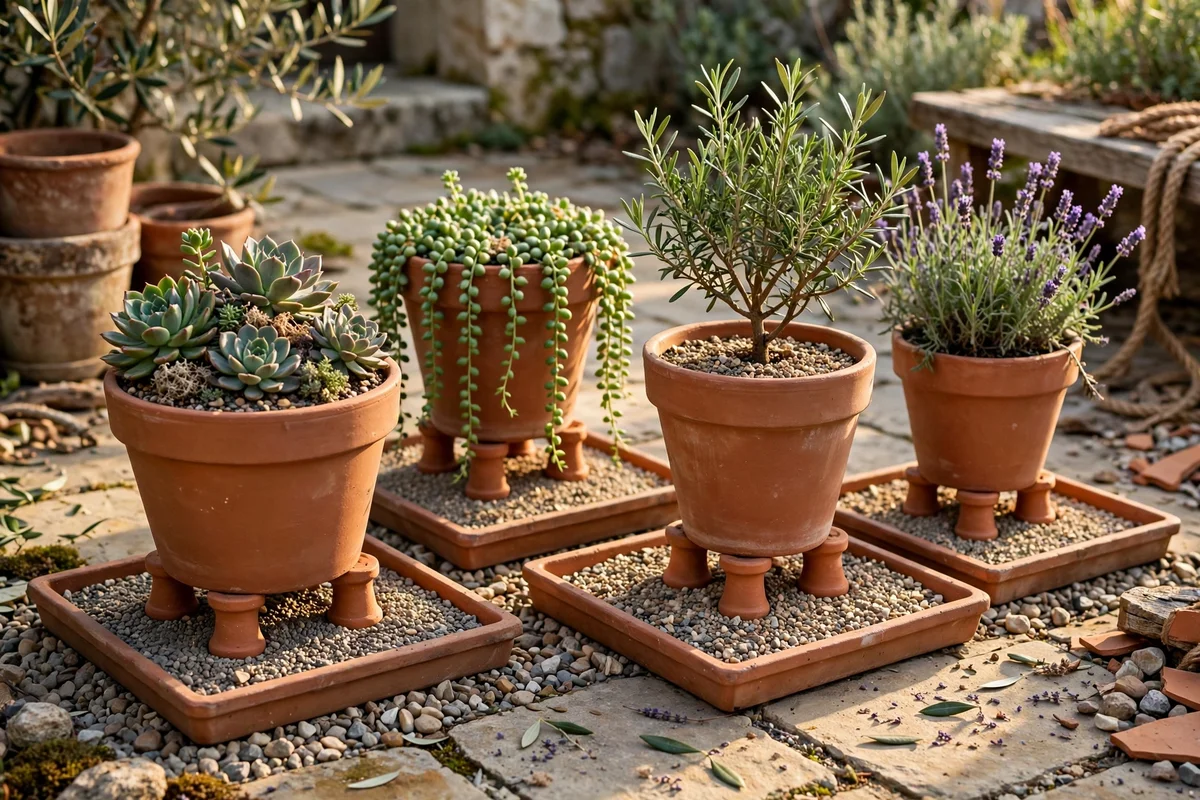
Plant pots sitting flat on patios trap water in their saucers and in the tiny gap beneath, creating dozens of hidden breeding spots. Set each pot on three or four terracotta feet or a slatted wooden stand so air flows underneath and water escapes freely. Fill saucers with a layer of coarse gravel so any caught water drains below the pot base. Check feet after heavy rain to make sure nothing has sunk into soft soil.
Group pots on a gravel bed rather than directly on the lawn, which also stops soil splashing onto the patio. The mistake to avoid is using deep saucers that hold a full centimetre of water for days; shallow or gravel-filled trays dry by evening. Pot feet cost very little and last for years. Well-drained pots also grow healthier roots, so plants reward the effort too.
20. Style an Open Seating Layout Away From Dense Shrubs

Mosquitoes rest in cool, dense shrubs during the day and emerge at dusk, so place seating at least 2 metres clear of thick hedges and overgrown borders. Arrange chairs in an open layout with generous gaps between them, which lets breezes pass through instead of pooling. Choose the sunniest, airiest corner of the patio for evening sitting, since mosquitoes favour still, shady spots. A simple gravel or paved pad under the chairs dries quickly.
Prune back any shrubs that crowd the seating zone, aiming for clear sightlines and moving air on all sides. The mistake to avoid is tucking a bench into a leafy alcove because it looks cosy; it becomes a mosquito ambush at dusk. Open layouts also make conversation easier and the whole patio feel larger. Site your seating for the breeze first, and comfort follows.
Calm, bite-free evenings come from small habits stacked together rather than any single miracle fix. Tip the saucers, keep the fan spinning, light the candles and let the herbs do their quiet work around your chairs. Within a week or two, most families notice the difference, especially when several of these ideas run at once. The beauty of the natural approach is that every change also makes the garden look and smell better.
Start this week with the easiest win of all: walk outside with a bucket and empty every saucer, tray and forgotten container. It takes ten minutes, costs nothing and removes tomorrow’s mosquitoes before they hatch. Then add one pleasure, like a pot of lemongrass by your favourite chair, so the project feels like decorating rather than chores. Your evenings deserve that calm.
Frequently Asked Questions
Do mosquito-repelling plants actually work on a porch?
Plants like lemongrass, lavender, basil and mint release scents that discourage mosquitoes nearby, especially when you bruise the leaves to release their oils. They will not create a force field on their own, so treat them as one layer alongside fans, drainage and candles. Place pots within arm’s reach of seating for the best effect, and enjoy them as fragrant decor regardless.
How often should I empty standing water around the home?
At least once a week, because mosquitoes can go from egg to biter in seven to ten days. Tip saucers, toys, tarps and buckets every weekend, and refresh birdbaths every three to four days. After heavy rain, do a quick extra round. This single habit breaks the breeding cycle and costs nothing, which makes it the most effective natural method available.
Are Bti dunks safe around children, pets and vegetables?
Yes. Bti is a naturally occurring soil bacterium that targets mosquito and blackfly larvae only, leaving fish, birds, pets, plants and people unaffected. It is widely approved for organic gardening, so water from treated rain barrels is fine for vegetables. Follow the packet dose, replace dunks monthly, and store spares out of reach of small children.
What is the cheapest way to start getting rid of mosquitoes naturally?
An outdoor fan aimed at your chairs plus a weekly saucer-emptying round costs very little and gives the biggest return. Mosquitoes struggle to land in moving air, and draining water removes the next generation entirely. Add a pot of basil or mint and a few citronella candles later as budget allows. Skip expensive gadgets until these basics are in place.
Do citronella candles work on their own?
They help in calm air when clustered close to seating, but one candle across the garden does very little. Light several fifteen minutes before you sit down and combine them with a fan and good drainage for real results. Think of candles as part of an evening ritual rather than a shield. Used this way, they add scent and gentle light to the mood.