Home Improvement
22 Ways to Get Rid of Cat Urine Smell and Keep Your Home Fresh
By Anna Wells · · 17 min read
Few household smells are as stubborn as cat urine, and few are as frustrating when they linger after you thought you cleaned everything. The good news is that a methodical approach works: find every affected spot, treat it with the right cleaner at the right depth, and fix the habits that invite repeat accidents. These 22 ideas cover the full process, from emergency blotting to long-term prevention.
Walking into a room and catching that sharp, unmistakable smell is disheartening, especially when you already cleaned the spot twice. Cat urine is uniquely stubborn because it soaks deep, hides well, and speaks directly to your cat’s powerful nose even when yours has given up. Masking it with room spray only buys about twenty minutes of relief.
The approach that actually works is methodical rather than frantic. Locate every affected area, absorb fresh liquid before it spreads, use a cleaner built to break down urine rather than perfume it, let the treatment reach as deeply as the urine did, and keep the cat from returning to the same place. The ideas below walk through each stage, plus the litter box habits that stop the cycle.
1. Blot Fresh Accidents Right Away
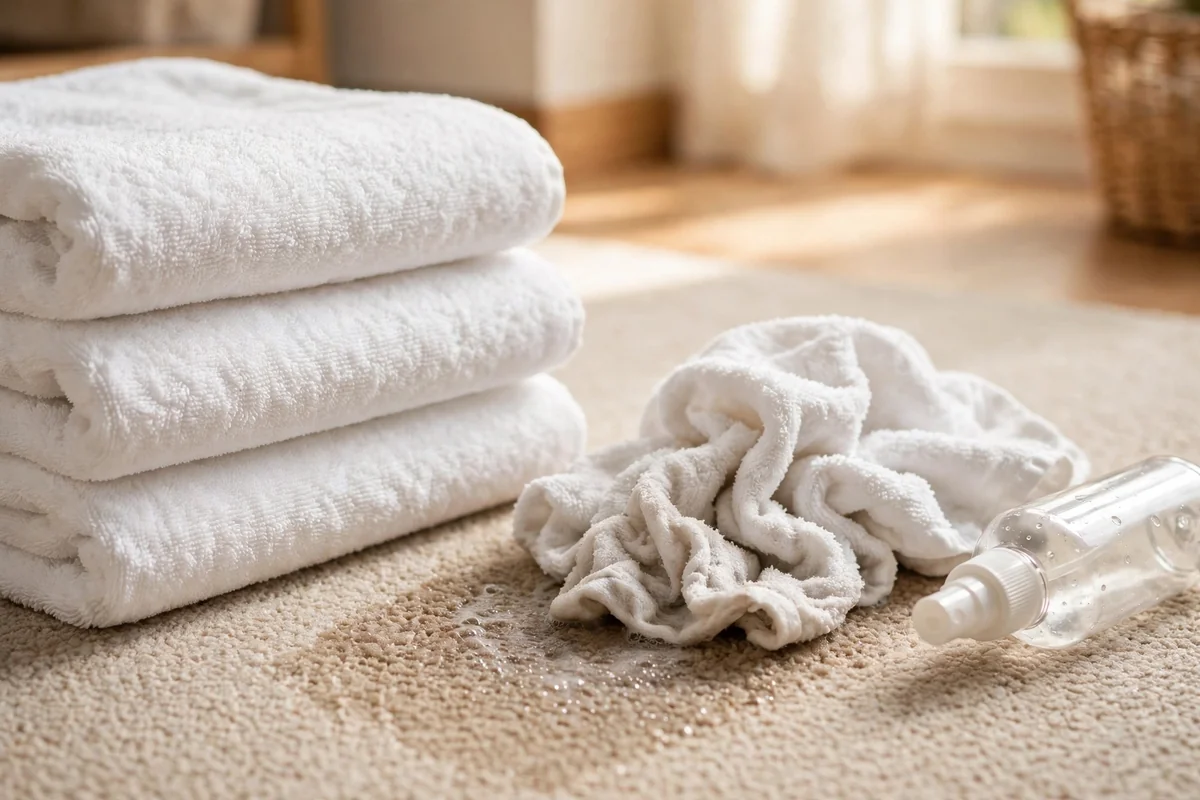
Speed is your greatest advantage with a fresh accident. Grab clean white towels or a thick stack of paper towels and press firmly onto the wet area. Press, lift, and switch to a dry section, repeating until almost no moisture transfers. Never rub back and forth, which only spreads the liquid across a larger section of carpet or upholstery and drives it deeper.
On carpet, put real weight behind the blotting, even standing on a folded towel for several seconds, because urine travels down into the backing and padding where most lingering smell lives. The less liquid remaining in the material, the less work your cleaner must do later. Blotting removes moisture, not odor compounds, so always follow with a proper treatment.
2. Reach for an Enzymatic Cleaner
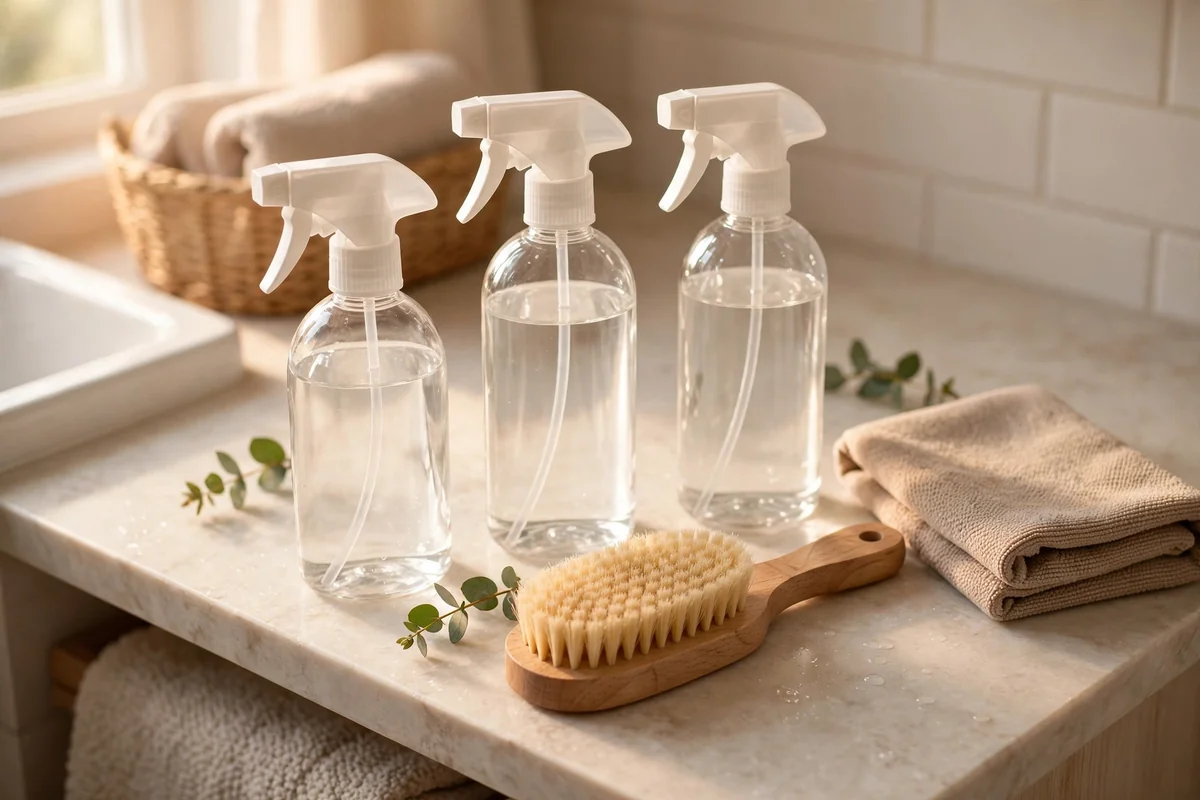
If you keep one product for cat accidents, make it a quality enzymatic pet urine cleaner. These formulas break down urine residue instead of covering it with perfume, which is the only way to truly remove the smell. Read the label carefully, since application methods and required contact times vary between products. Most importantly, use enough to treat the entire contaminated area rather than misting the surface lightly.
Give the product its full working time instead of wiping it away early. A rug can smell fine to you while still carrying enough residue for your cat to recognize it as a bathroom, thanks to a sense of smell far keener than ours. Patience during this step prevents the repeat marking that undoes all your work.
3. Treat Deep Into Carpet Padding
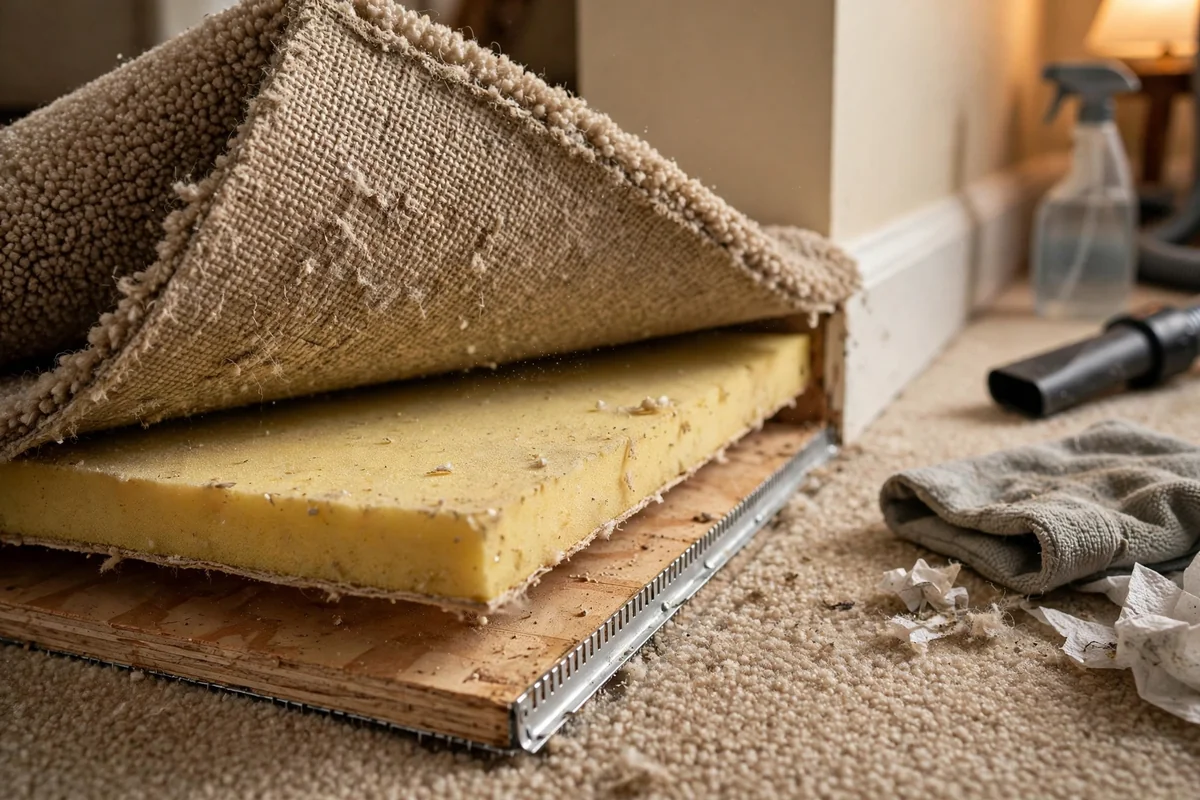
The visible spot rarely tells the whole story. A significant accident can pass straight through carpet pile and backing into the padding below, creating the maddening pattern where everything smells fresh while damp and terrible once the room warms up. For serious accidents, apply your pet urine treatment deeply enough to reach the contaminated layer, following the product directions exactly.
If repeated deep treatments fail, lift the carpet edge to inspect the pad, or bring in professional help for an assessment. Severely contaminated padding sometimes needs partial replacement, which is far better than months of spraying fragrance over odor trapped underneath. One replaced section of padding beats endless surface cleaning every time.
4. Hunt Hidden Spots with a UV Light
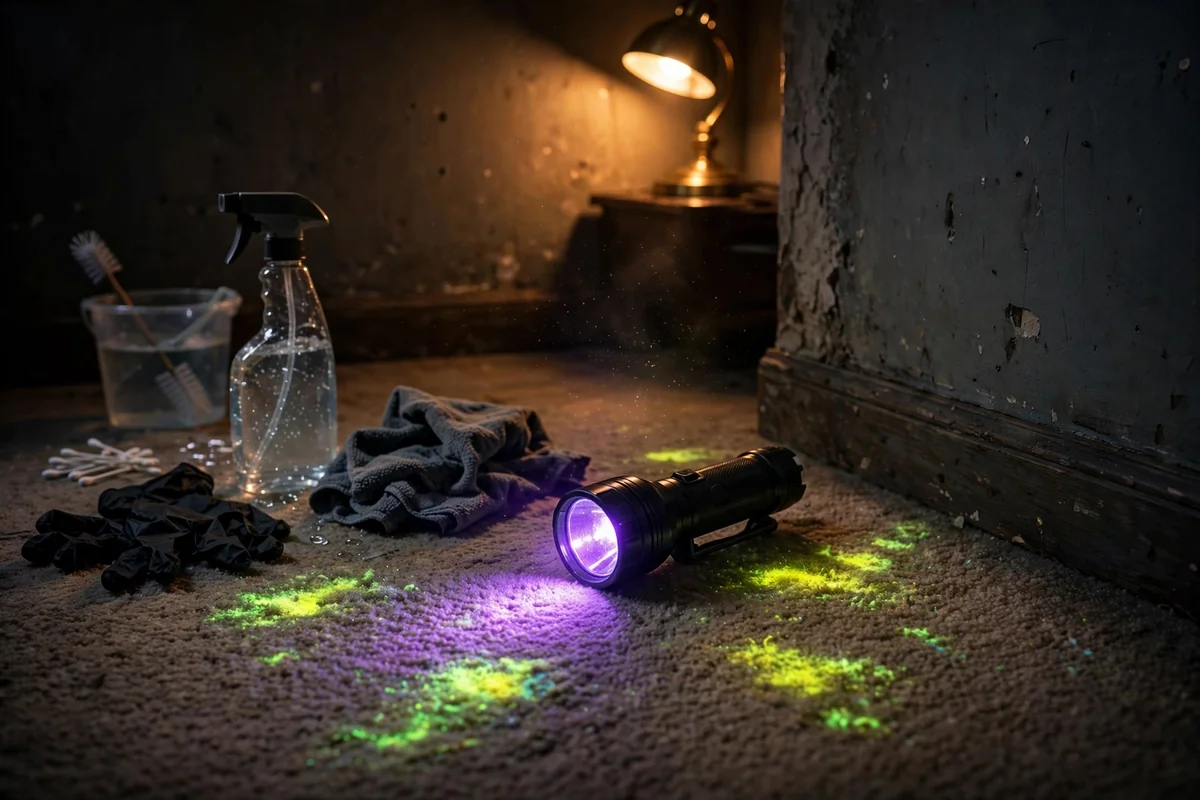
When the house smells but you cannot find the source, stop cleaning randomly and start investigating. In a dark room, slowly scan with a UV or blacklight flashlight along carpet edges, walls, furniture bases, door frames, and curtains. Old urine deposits often glow yellow-green, revealing marking spots you never suspected. Mark each candidate with removable painter’s tape while the lights stay off.
Not every glow is urine, since many household substances fluoresce, so inspect and sniff each marked area before treating. This detective work often uncovers several small spots instead of one big mystery, which explains why general cleaning never solved the problem. Finding the true sources is honestly half the battle.
5. Wipe Down Sprayed Walls and Baseboards
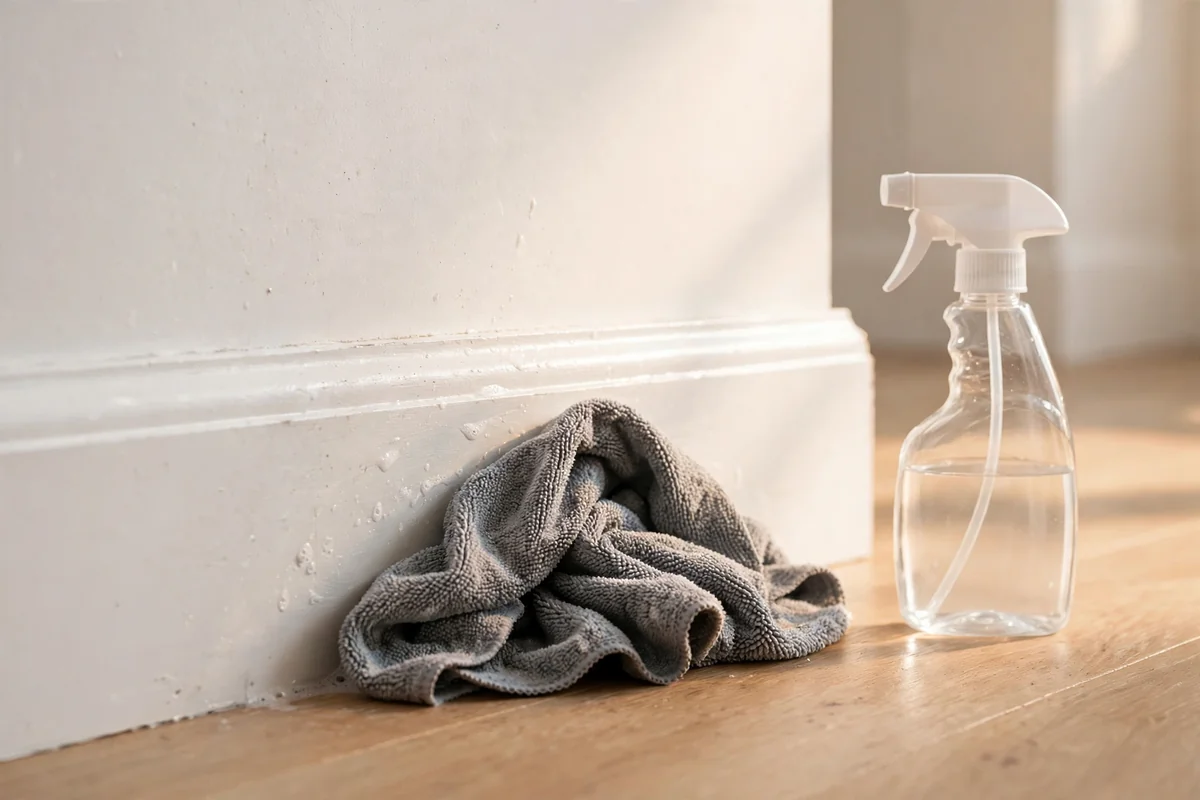
A spraying cat aims vertically, so the odor may sit on a wall, baseboard, furniture leg, curtain, or door frame rather than the floor below. Inspect from floor level upward instead of automatically scrubbing the carpet. Check the seam where baseboard meets floor, since liquid collects there and hides. Use a surface-compatible pet urine cleaner, testing first on a hidden patch of paint or finished wood.
Wipe only exactly as the product directs and let the area dry completely undisturbed. Discovering an overlooked vertical splash zone can completely eliminate a smell you have chased for many days. Many persistent odor mysteries turn out to be a few inches up the wall, not down in the carpet.
6. Launder Removable Covers Separately

When accidents hit a sofa with removable cushion covers, a washable pet bed, or a slipcover, separate the washable layer from what sits beneath it immediately. Blot first, pretreat according to the fabric and product instructions, then wash the cover per its care label. Keeping urine from transferring between layers while assembled prevents the problem from spreading deeper.
Just as important, clean the cushion insert or foam beneath the cover separately, since urine often passes straight through fabric. Washing a beautiful cover accomplishes nothing if the foam inside still holds odor. Air-dry the cover until you are certain the smell is gone before reassembling, and skip high dryer heat while still evaluating.
7. Match Upholstery Treatment to Depth
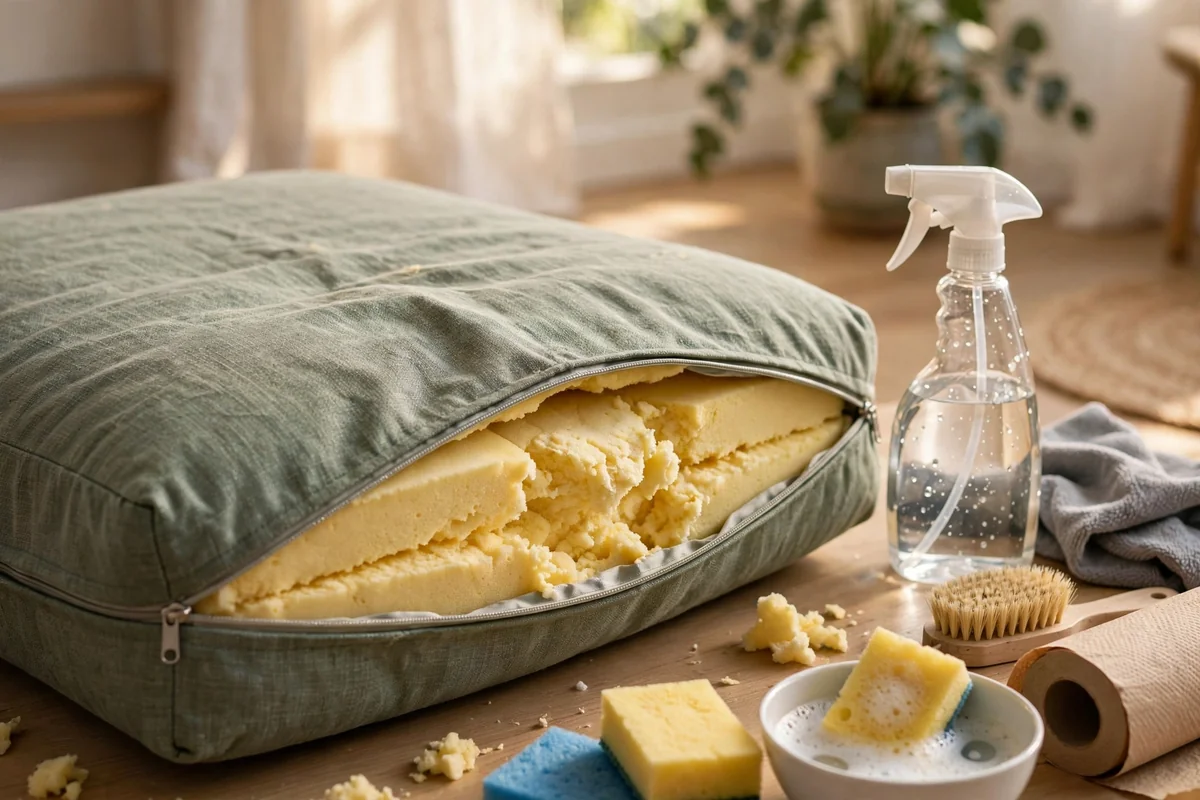
Upholstered furniture demands a balanced approach: too little cleaner leaves urine deep inside, while soaking a cushion indiscriminately creates a moisture problem of its own. Check the furniture’s cleaning codes and test any product in a hidden area first. If the cushion has a removable cover, open it and determine whether the urine actually reached the foam before deciding how deeply to treat.
When it has, apply a suitable pet urine treatment per its instructions and give the cushion generous ventilation while drying. Turn cushions so air reaches every side and run a fan nearby. If a repeatedly saturated foam cushion still smells after proper treatment, replacing the insert is more practical than endlessly adding moisture and fragrance to it.
8. Work on Mattress Stains in Layers
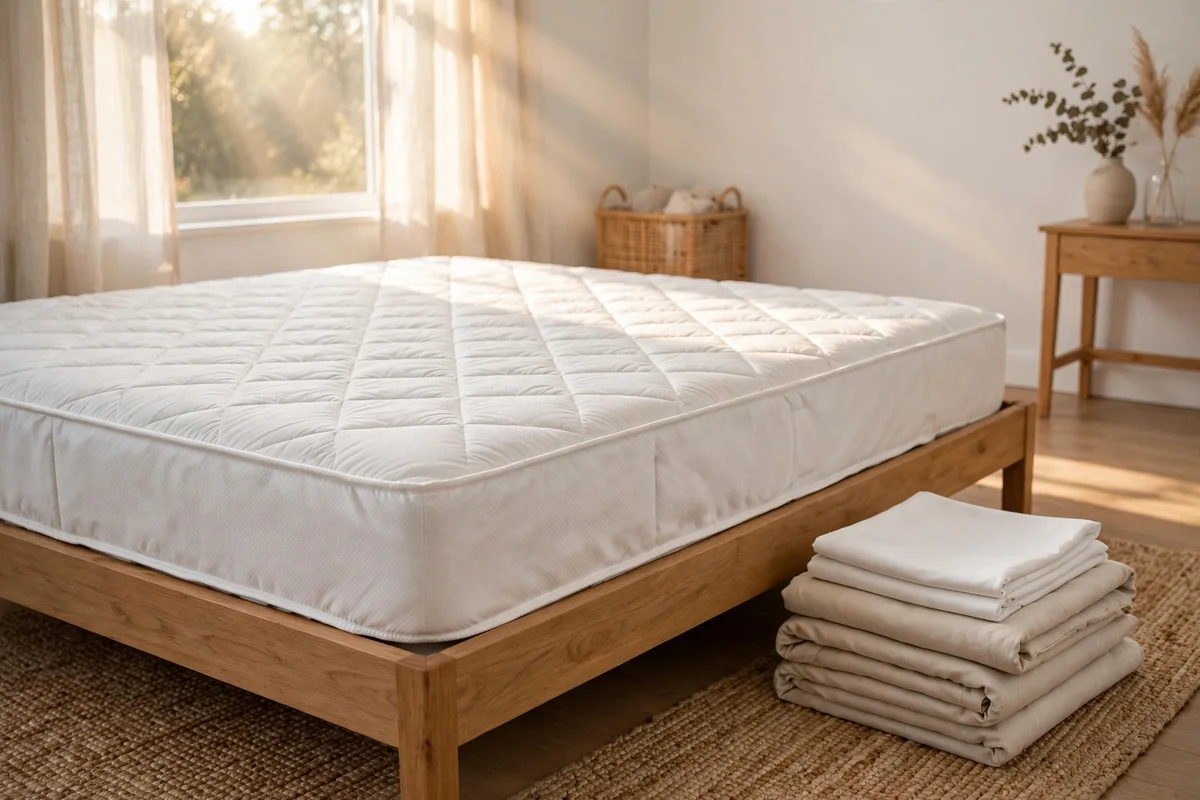
A mattress accident needs immediate attention because liquid sinks below the surface fast. Strip all bedding, blot as much moisture as possible, and wash the sheets and mattress protector separately. Treat the affected mattress area with a product appropriate for both pet urine and mattresses, following its label rather than pouring random household mixtures into the foam.
Drying matters as much as cleaning here. Leave the mattress uncovered with good ventilation and moving air until thoroughly dry, then protect it with a waterproof washable mattress protector. If a cat repeatedly targets the bed, temporarily restrict access while you investigate the cause, since deep-cleaning without addressing the behavior solves nothing long-term.
9. Act Fast on Tile and Vinyl Floors
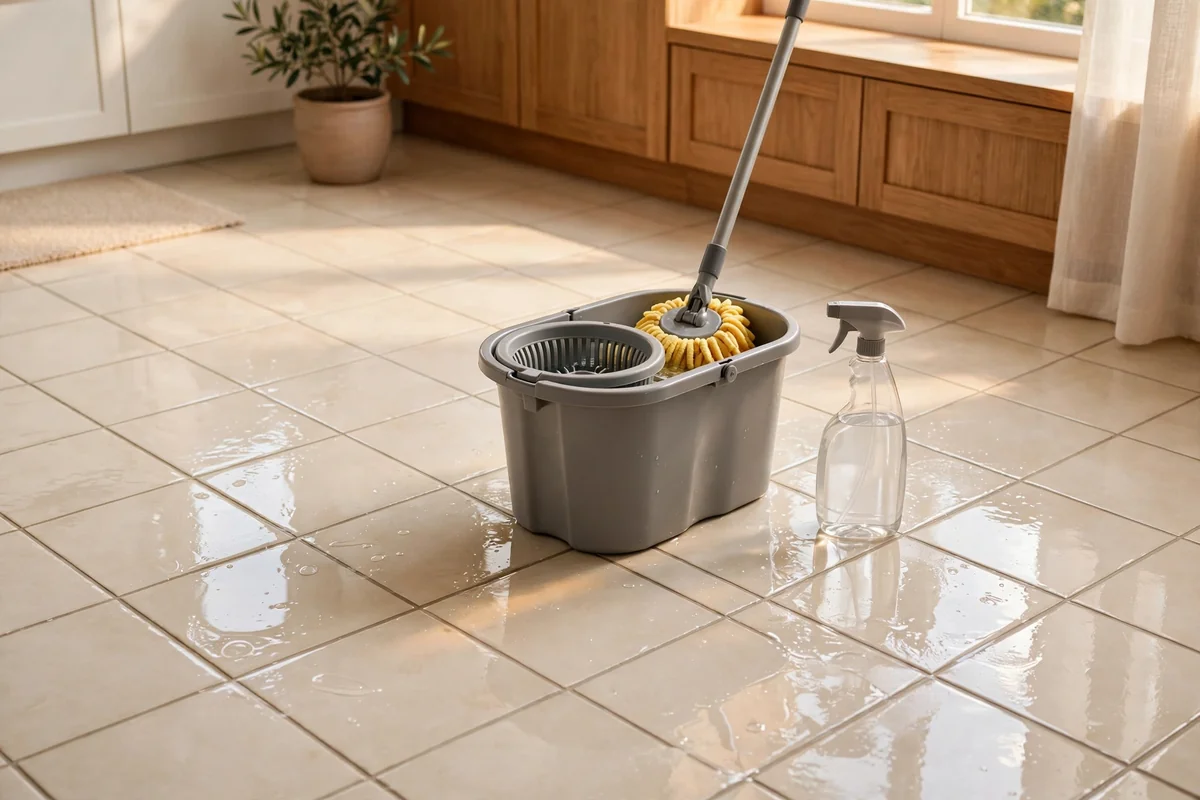
Nonporous flooring is far more forgiving than carpet if you act quickly. Absorb the liquid first, then clean with a product compatible with both pet urine and your specific flooring. Pay special attention to grout lines, edges, transitions, and seams, because urine rarely respects the neat boundaries of a tile or plank. A fast response here often prevents any lasting odor at all.
Avoid flooding the floor with water or cleaner, especially on laminate or engineered flooring where moisture invades joints. If the smell returns after mopping, inspect the seams instead of mopping the whole room again. The real culprit is usually a tiny amount that slipped under an edge or into porous grout while the main puddle sat visible.
10. Handle Hardwood with Extra Care
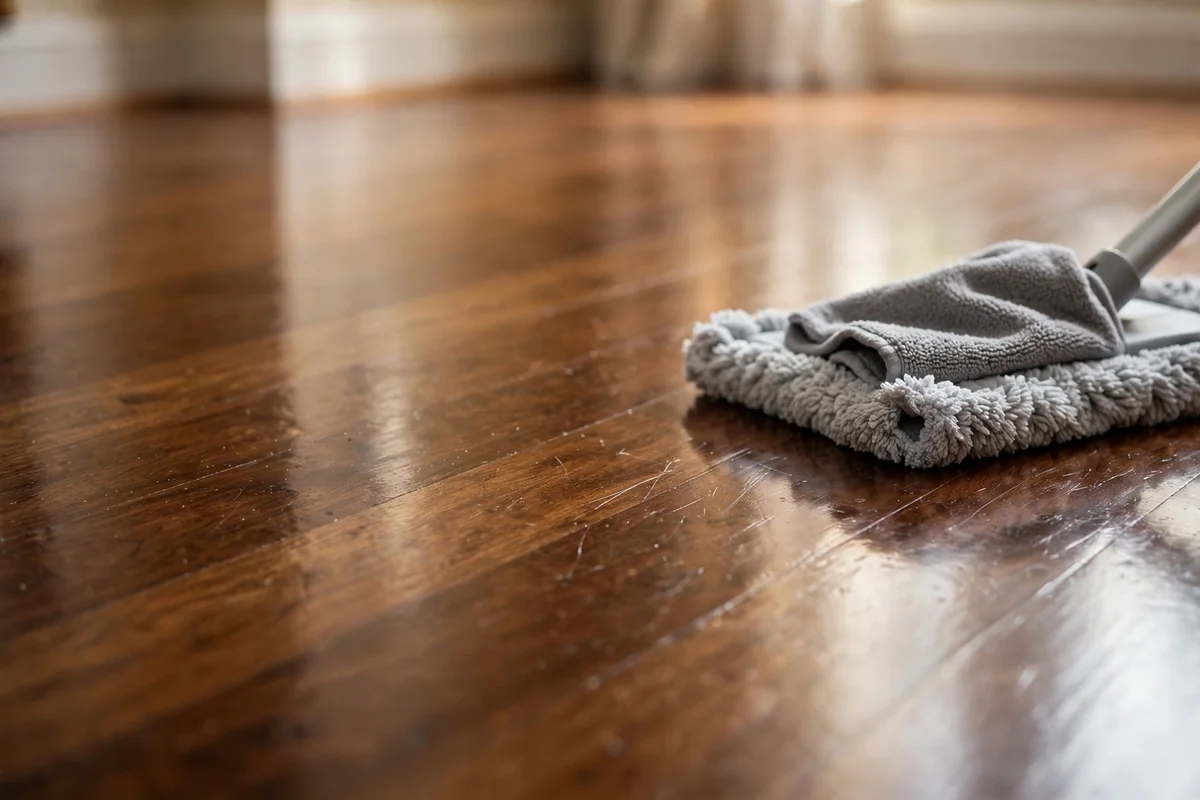
Cat urine and hardwood are an unhappy pair, since wood and board seams absorb liquid readily. Blot immediately and use only cleaners compatible with your floor’s finish. Never saturate hardwood to flush out smell, because excess liquid causes swelling, finish damage, and staining that dwarf the original problem. Gentle and quick beats aggressive and wet every time.
If repeated accidents hit the same boards and odor persists after surface treatment, contamination may have reached unfinished wood or the subfloor. At that point, stop experimenting with wet mixtures and seek a professional floor assessment. Refinishing, sealing, or replacing affected boards is sometimes the only genuine fix for deeply soaked wood.
11. Focus on Grout Lines, Not Just Tile
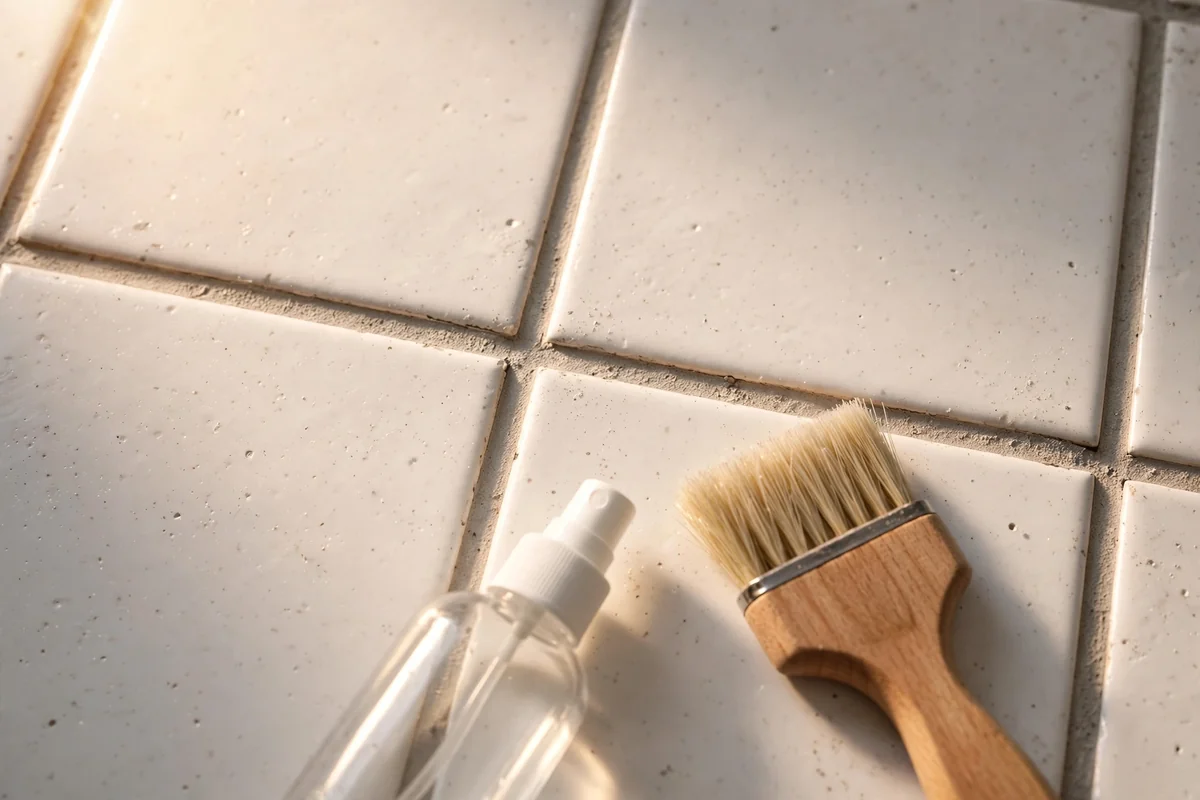
A tiled room can still harbor odor because grout is far more porous than the tile around it. If you have mopped repeatedly yet one area still smells, get close and inspect the grout lines individually. Apply a compatible pet odor treatment directly to the affected lines rather than flooding the entire floor, then let the grout dry thoroughly before judging the result.
Old unsealed grout that has been repeatedly contaminated may need professional deep cleaning and eventual resealing once truly clean and dry. What never works is burying the problem under heavily perfumed floor cleaner. Fragrance layered over cat urine creates a combination nobody enjoys, so treat the grout itself directly instead.
12. Avoid Ammonia-Based Products
Skip ammonia-based cleaners on cat urine areas entirely. Veterinary guidance warns against them because the scent can resemble urine from a cat’s perspective, potentially encouraging repeat marking in that exact location. A product can make a surface look clean while quietly inviting the cat back, which is the opposite of what you want.
Read product labels instead of assuming every household cleaner is interchangeable. Your goal is removing residual urine odor so neither you nor the cat keeps detecting it, not merely disinfecting or perfuming the spot. Choosing the right chemistry matters as much as the elbow grease, so keep ammonia far away from accident zones.
13. Neutralize First, Fragrance Later

Candles, plug-ins, carpet powders, and fabric sprays are not urine removers. At best they compete with the odor for twenty minutes; at worst you get the memorable scent of floral perfume mixed with old cat urine. Always neutralize the urine completely first, using the methods above, before thinking about fragrance at all.
Once the material is genuinely clean and dry, simple ventilation usually freshens the room better than layering scents. Keep strong fragranced products away from the litter box area too, since many cats dislike heavily perfumed spaces and may avoid the box. Fresh should mean clean, not merely more heavily scented.
14. Air Out the Room While It Dries

After treatment, open windows when weather and safety allow and run a fan to move air across the cleaned area. Ventilation does not replace urine treatment, but it pulls moisture from carpet, cushions, and fabrics far more efficiently. A damp room makes odors seem stronger, and slow-drying upholstery lingering for days helps nobody.
Position the fan to sweep air across the spot rather than blasting dust onto wet fabric. Expose as much cushion surface as possible. Once everything is completely dry, close the room briefly, then walk back in for a fresh-nose test. That first impression tells you honestly whether the odor is gone or you simply grew accustomed to it while cleaning.
15. Keep the Litter Box Sparkling
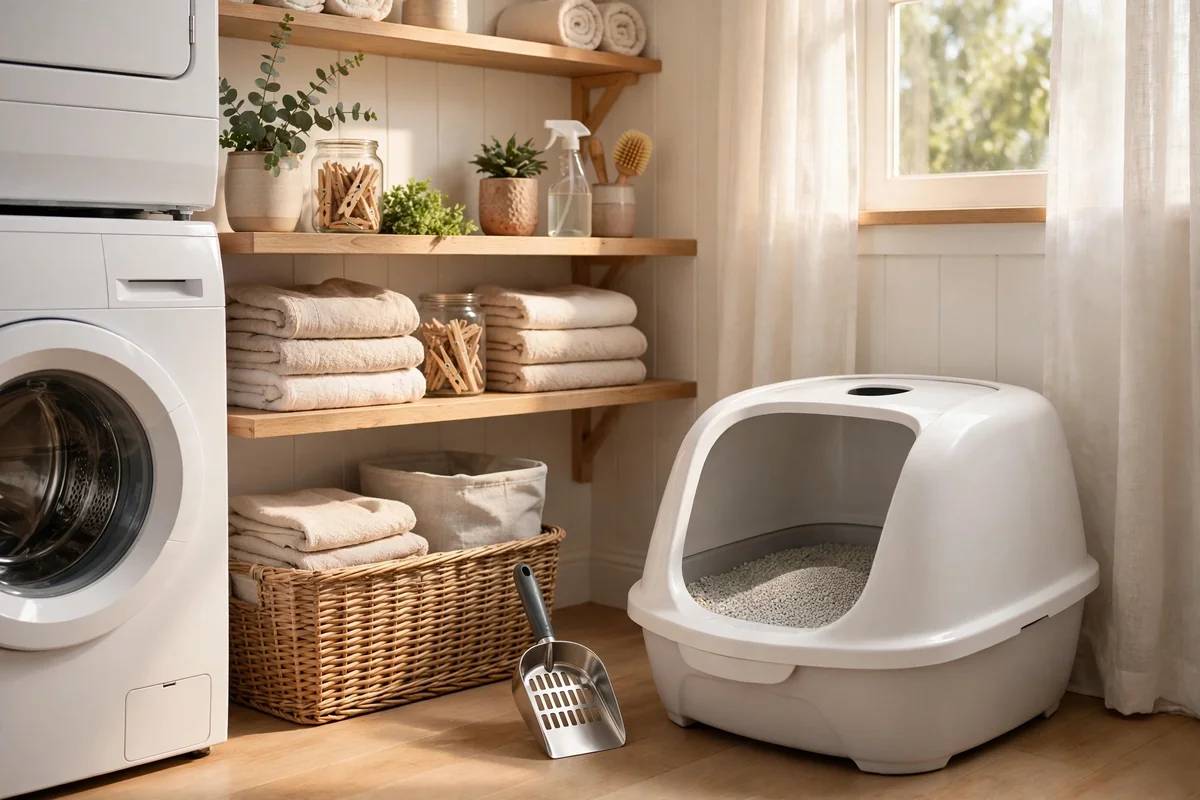
Sometimes the smell blamed on a hidden accident actually comes from the litter box itself. Scoop waste at least daily and wash the box periodically with mild unscented soap and water, drying it before adding fresh litter. Avoid strongly scented deodorizing cleaners that please your nose but may repel the cat from the box.
Replace boxes that have become deeply scratched or permanently smelly, since aging plastic retains odor after years of scraping. A clean, inviting box matters for more than your nose: some cats refuse dirty or perfumed boxes, and preventing an accident is infinitely easier than extracting urine from a sofa afterward.
16. Provide One Box Per Cat Plus One
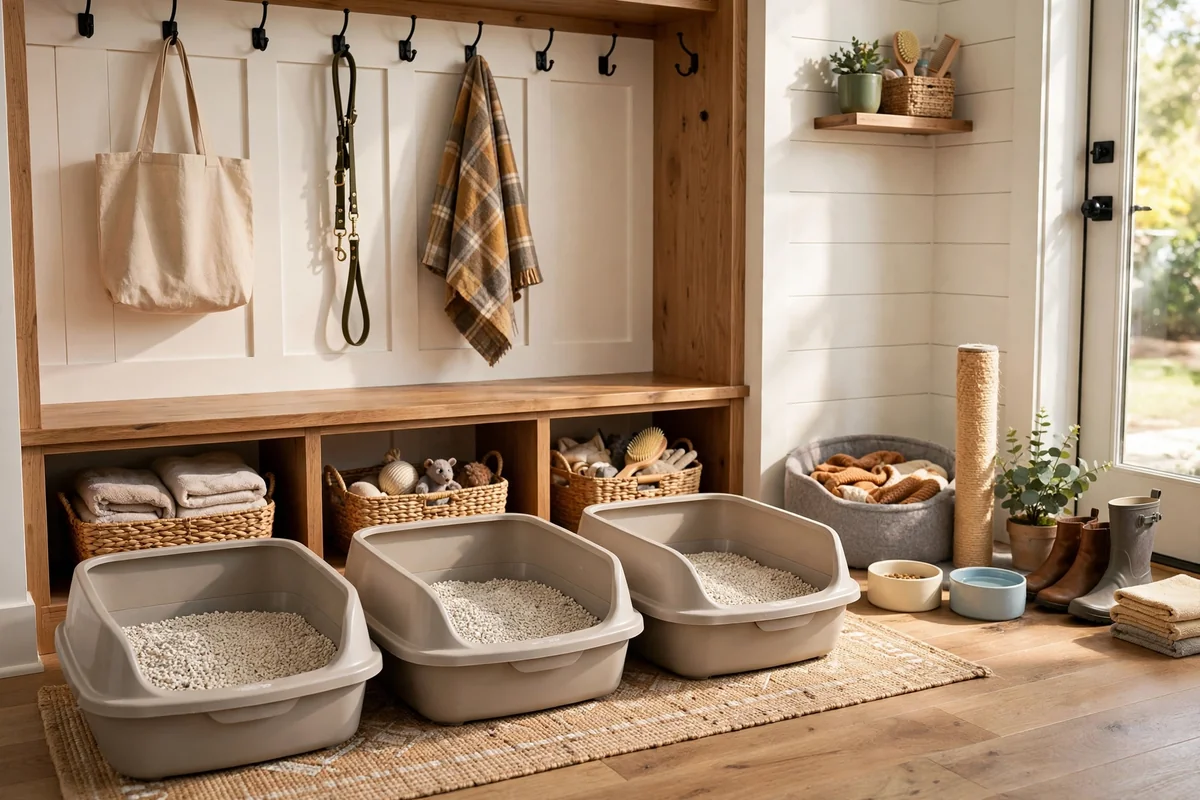
The golden rule is one litter box per cat, plus one extra. Two cats means three boxes, not one shared box everyone tolerates. Spread them around the home rather than lining them up in a single location, since a row in one room counts as one choice in a cat’s mind. Multiple locations reduce competition and guarding between cats.
A cat may avoid a box because another cat guards it, the spot feels unsafe, or it is dirty at the critical moment. More accessible boxes keep urine where it belongs. This step removes no existing odor by itself, but it is one of the most effective ways to protect your freshly cleaned areas from being soiled again.
17. Choose Unscented Litter Cats Prefer
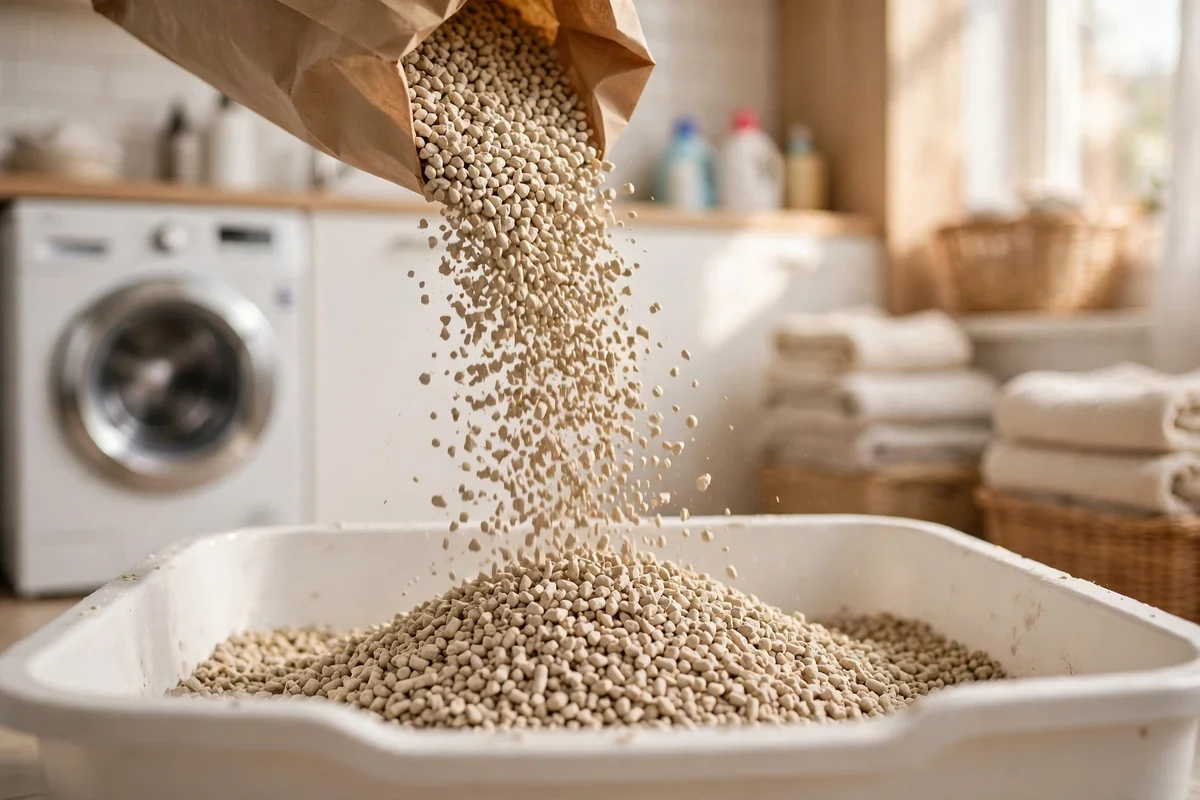
Many cats strongly prefer unscented litter, and a perfumed product can quietly drive them to your carpet instead. Switch to a plain unscented litter and watch whether box habits improve. What smells fresh to you may smell overwhelming to a nose thousands of times more sensitive, so let the cat’s preference guide this choice.
When changing litter, transition gradually over a week by mixing increasing amounts of the new product into the old. An abrupt swap can itself cause avoidance. Keep the litter depth around two to three inches for comfortable digging. Small considerations like these remove common reasons cats reject an otherwise fine box.
18. Place Boxes in Quiet, Easy Spots
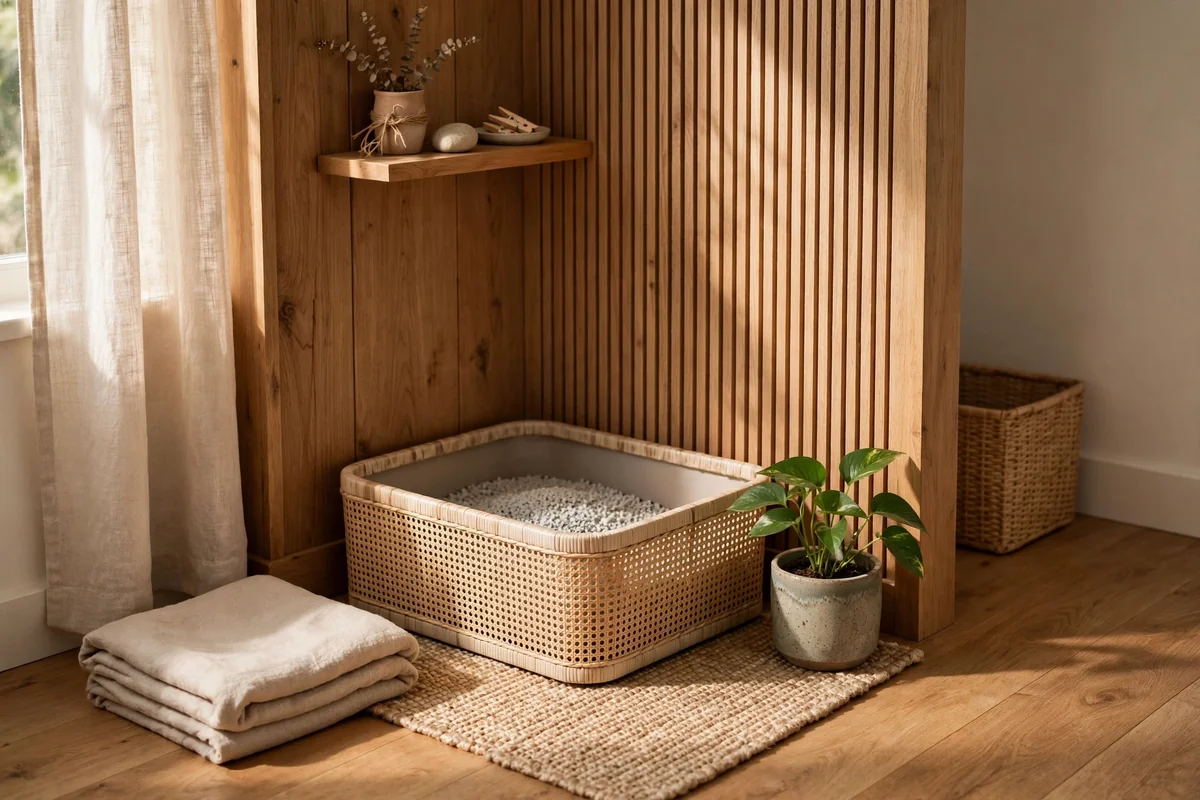
Location shapes litter box success more than most people realize. Choose quiet, low-traffic spots where the cat never feels ambushed, away from loud appliances and sudden foot traffic. At the same time, avoid remote basement corners that feel like a trap, especially for older cats or kittens who cannot travel far quickly.
Make sure every cat in a multi-level home has a box on each floor it uses. Privacy matters, but so does accessibility: a box behind a closed door might as well not exist. The right spot feels safe, calm, and easy to reach at three in the morning, which is exactly when it counts.
19. Rule Out Health Issues with a Vet Visit

A cat that suddenly starts urinating outside the box may be telling you something hurts. Urinary tract issues, pain, arthritis that makes box entry difficult, and stress can all drive house soiling. If the behavior is new, book a veterinary visit before assuming it is a training problem. Treating a medical cause often resolves the accidents completely.
Bring notes about when the accidents started, where they happen, and any changes in thirst, appetite, or litter habits. The more detail you share, the faster your vet can help. Cleaning brilliantly while missing a health issue just sets you up for the next accident, so let the professionals rule out medical causes early.
20. Block Repeat Offenses with Deterrents

Once a spot is thoroughly cleaned and dry, make it temporarily unappealing while new habits form. Close the door to the room, cover the area with furniture, or place a clean litter box directly on the cleaned spot for a week, then inch it daily toward a better location. Removing opportunity is simpler than correcting behavior after the fact.
Avoid punishment entirely, which increases stress and usually worsens house soiling. Instead, make the right choice easy: pristine boxes, good locations, and a calm household. Most cats genuinely prefer the litter box when it meets their needs, so deterrents only need to bridge the gap until the new routine sticks.
21. Deep Clean the Surrounding Area
Urine rarely stays exactly where it landed. After treating the main spot, widen your attention to the surrounding area: nearby carpet edges, under furniture legs, behind curtains, and along baseboards. A final pass with the UV light confirms you caught everything. Small satellite splashes explain many smells that survive an otherwise perfect cleaning job.
Vacuum thoroughly once everything is completely dry to lift the carpet pile and remove any treatment residue. Then do the closed-room fresh-nose test one final time. A comprehensive final check always beats discovering a missed corner a week later, when you must sadly start the whole tedious process over again.
22. Know When to Call a Professional

Some situations outgrow DIY methods, and recognizing that point saves time and money. Call a professional when odor persists after proper enzymatic treatment, when padding or subfloor is contaminated, when hardwood has absorbed repeated accidents, or when the affected area is simply too large to manage. Pros bring extraction equipment and targeted treatments that household tools cannot match.
Get an assessment before committing to major work like refinishing floors or replacing carpet. A reputable cleaner will tell you honestly whether treatment or replacement is the smarter path. Knowing when to hand over the job is not giving up; it is the fastest route to a genuinely fresh home.
Closing Thoughts
Cat urine odor feels unbeatable until you understand how it works: it soaks deep, hides cleverly, and lingers for a nose far sharper than yours. Once you treat it methodically instead of frantically, the problem becomes entirely solvable.
Work through these ideas in order, from emergency blotting to litter box habits, and give each step the time it needs. A fresh-smelling home and a happy cat are absolutely within reach.
Frequently Asked Questions
Why does cat urine smell keep coming back after I clean?
The smell returns when urine soaked deeper than your cleaning reached, such as into carpet padding, grout, or subfloor. Surface cleaning can smell fine while damp, then release odor as the room warms up. Treat as deeply as the urine traveled, and remember a cat’s nose detects residue long after you stop smelling it, which invites repeat visits to the same spot.
Does vinegar really remove cat urine odor?
Diluted white vinegar can help neutralize odor on hard, sealed surfaces, but it is not a substitute for an enzymatic cleaner on carpet, upholstery or mattresses. Enzymes break down the urine compounds that cause lingering smell, while vinegar mainly masks and briefly neutralizes. Always test any mixture on a hidden area first, and never mix vinegar with bleach.
How do I find old dried cat urine I cannot see?
Scan the room in darkness with a UV or blacklight flashlight, moving slowly along carpet edges, baseboards, furniture bases, door frames and curtains. Old urine often glows yellow-green. Mark suspicious spots with removable painter’s tape while the lights are off, then inspect each one closely. Not every glow is urine, so confirm before treating.
My cat keeps peeing in the same spot. What should I do?
First clean the area thoroughly with an enzymatic cleaner so no residual odor marks it as a bathroom. Then schedule a vet visit, since sudden changes can signal urinary or health issues. Add litter box options using the one-per-cat-plus-one rule, keep boxes clean and accessible, and temporarily block the problem spot while new habits form.
Is it safe to use bleach on cat urine stains?
No. Never mix bleach with urine, because urine contains ammonia-like compounds that can react with bleach to release harmful gases. Bleach also does not break down the odor-causing elements of cat urine effectively. Stick to enzymatic pet urine cleaners designed for the job, and keep all cleaning products away from pets and children during use.