Home Improvement
25 Laundry Stripping Methods That Draw Out Deep Buildup, Grime and Odors
By Anna Wells · · 21 min read
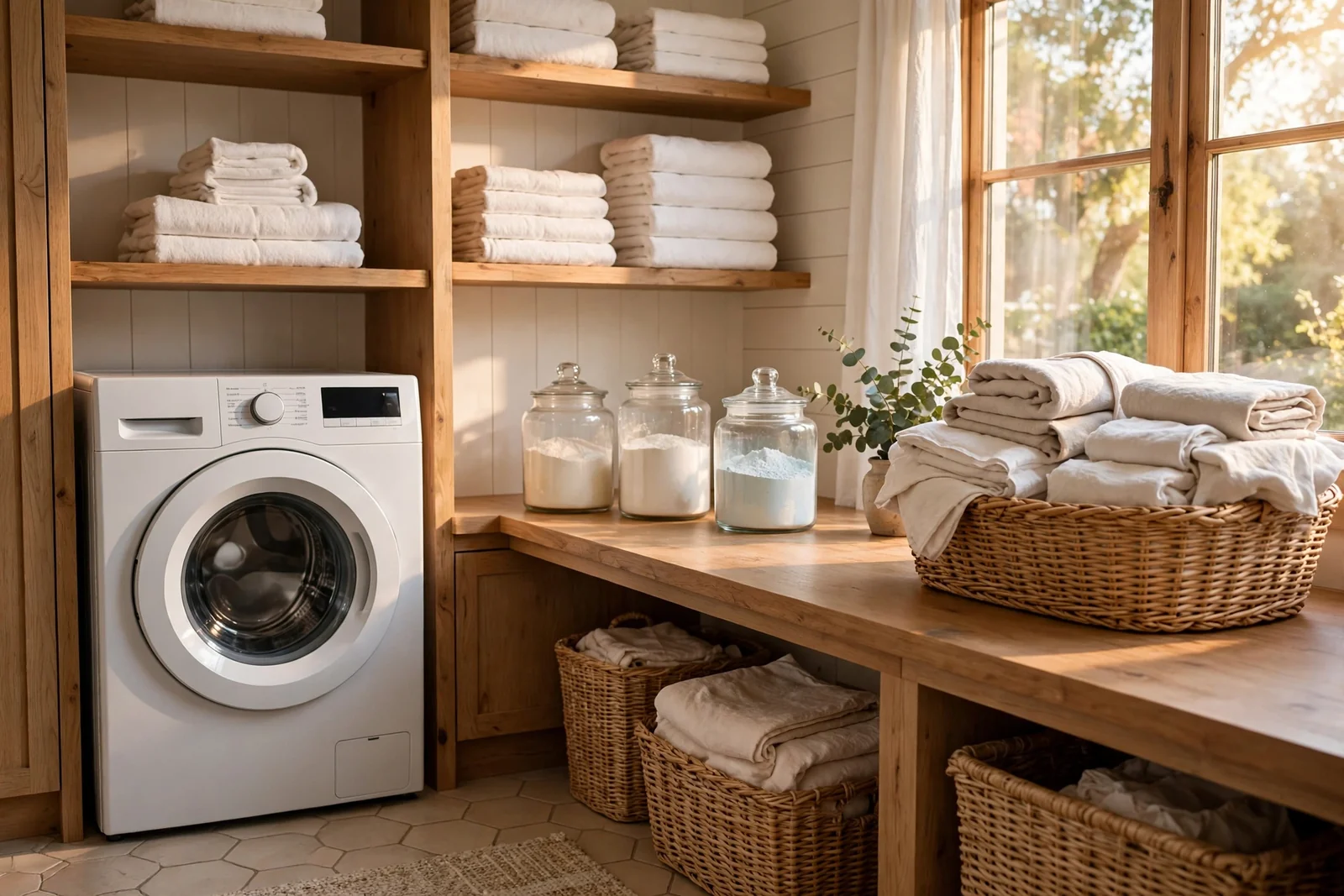
When towels turn stiff and sheets smell stale straight from the wash, trapped buildup is usually the culprit, and a careful stripping soak can draw it out.
Few household puzzles are as frustrating as laundry that looks clean yet feels wrong: towels that push water around instead of drinking it, sheets that smell faintly stale, socks that stay grey at the heel. Very often the fibres are coated with an invisible layer of detergent residue, softener, body oils and minerals, and ordinary washing simply moves that layer around instead of removing it.
Laundry stripping is the occasional deep soak that dissolves the coating so it can be rinsed away. It is a reset, not a routine, and it belongs to sturdy washable cottons only. Work through the methods below in order, start gently, measure powders honestly, and always read care labels first. Keep borax and washing soda stored safely away from children and pets, exactly as you would any cleaning powder.
1. The Bathtub Triple Mix, Measured Properly
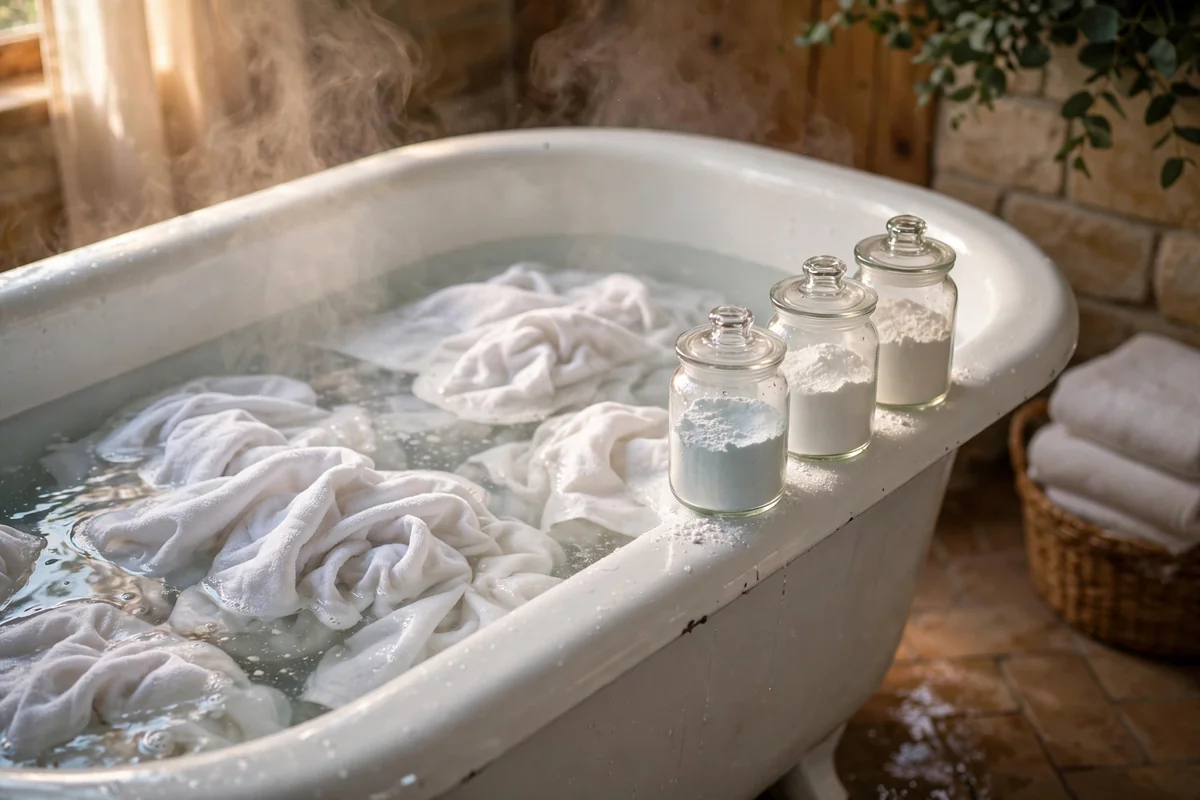
The best known stripping soak combines three powders in one tub. For a standard bathtub filled halfway with the hottest tap water, stir in a quarter cup of borax, a quarter cup of washing soda and half a cup of powdered laundry detergent. Add the powders while the tub fills and stir with a long handled spoon until no grains remain undissolved.
Add freshly washed, still damp towels or sheets, push them under the surface and soak for three to four hours, stirring gently every half hour so the solution reaches every fold. The water usually turns grey or tea coloured, which is the loosened residue leaving the fibres. Drain, then wash everything in the machine with water only, and dry as usual.
2. Washing Soda on Its Own for Light Residue
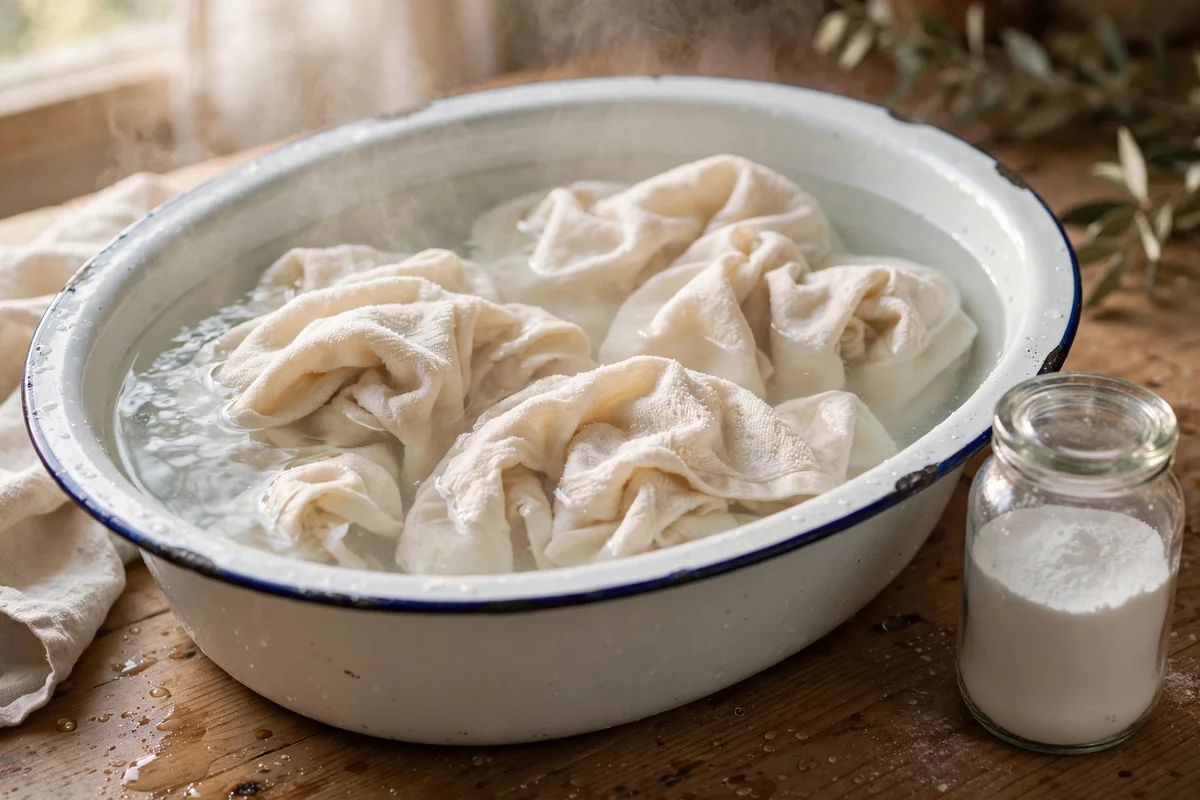
Not every load needs the full triple mix. When towels feel only slightly stiff, half a cup of washing soda dissolved in a tub or deep sink of hot water is enough for a gentler refresh. Washing soda raises the pH of the water, which helps it loosen detergent film and everyday grime without the strength of the full recipe.
Soak clean, damp items for one to two hours, stirring a few times, then rinse in the machine on a water only cycle. This lighter soak suits bath towels, hand towels and cleaning cloths in regular rotation. Because it uses a single ingredient, it is also the easiest method to repeat every couple of months in hard working households without over treating the fabric.
3. A Borax Bath for Hard Water Homes
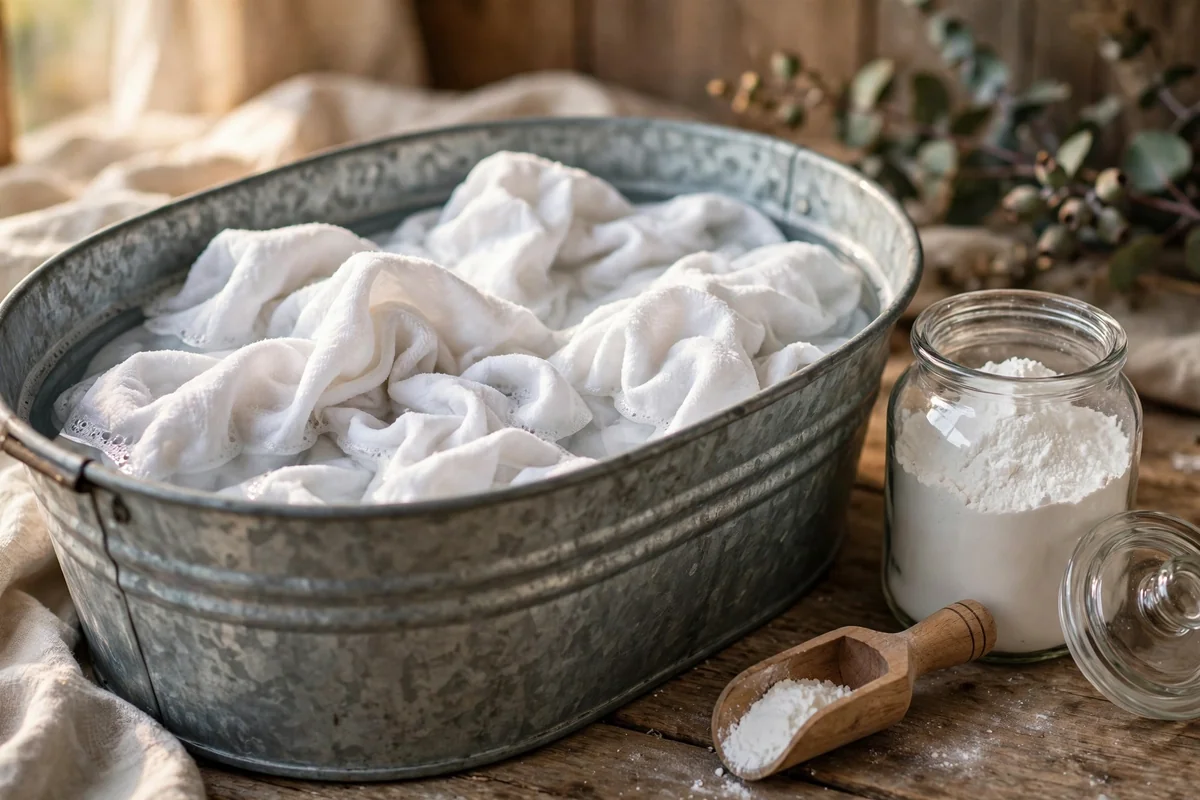
Where tap water is hard, minerals settle into cotton week after week and leave it dull and scratchy. Borax softens soak water and helps those minerals let go. Dissolve half a cup of borax in a tub of hot water, add clean damp towels or sheets, and leave them for three hours, stirring now and then so nothing sits in a dry pocket.
Borax is a laundry booster, not a food ingredient, so store it sealed in a high cupboard away from children and pets, and rinse skin after handling the powder. After the soak, run a full rinse wash before drying. Many households in hard water areas find this single powder soak, done a few times a year, keeps towels noticeably softer between washes.
4. Plain Hot Water and a Little Patience
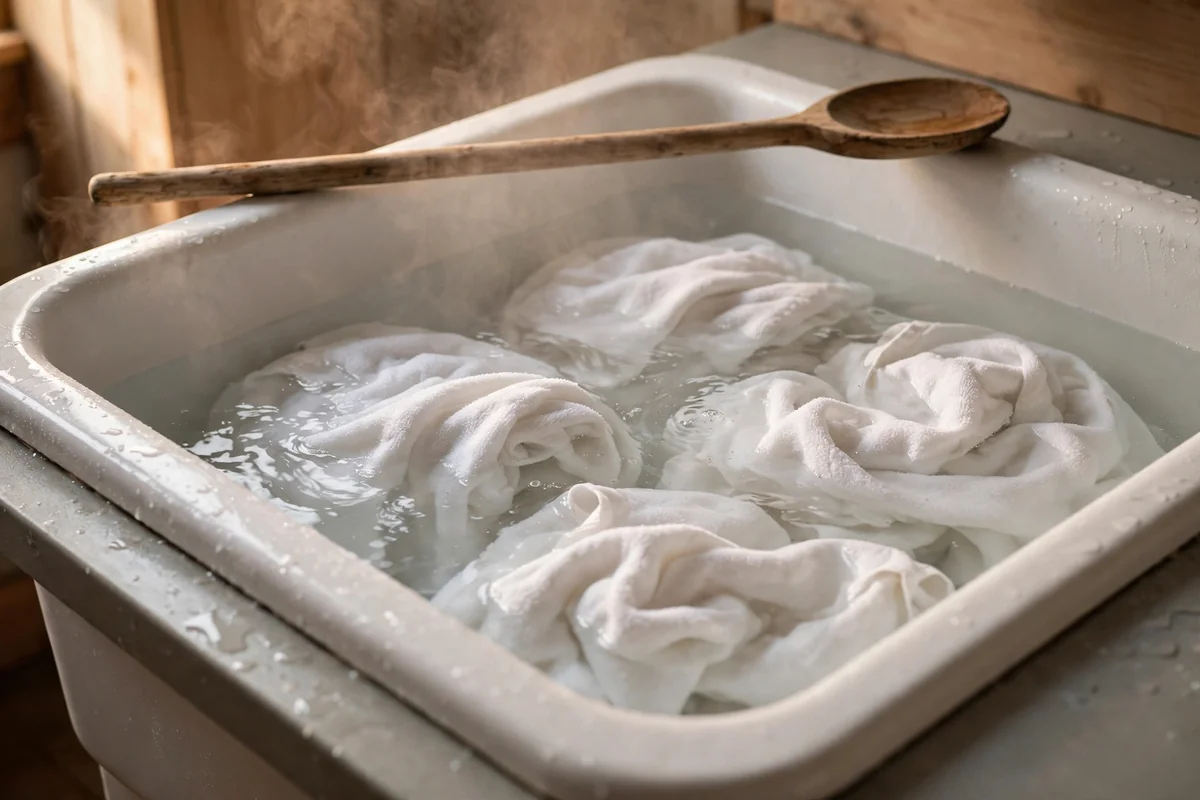
Sometimes the mildest method is the right first step. Fill a tub or deep sink with the hottest water your tap provides, submerge freshly washed towels, and simply soak. Heat alone loosens light detergent film and body oils, especially when you stir the load gently every thirty minutes and top up with a kettle of hot water halfway through to keep the temperature up.
Give the soak two to three hours, then rinse everything in the machine. This approach costs nothing, uses no powders at all, and is the safest way to test whether an item really needs stronger treatment. If towels come out feeling much the same, move on to a powder method next time. If they feel lighter and drink water better, you have saved yourself the stronger soak.
5. The Extra Rinse Reset in the Machine
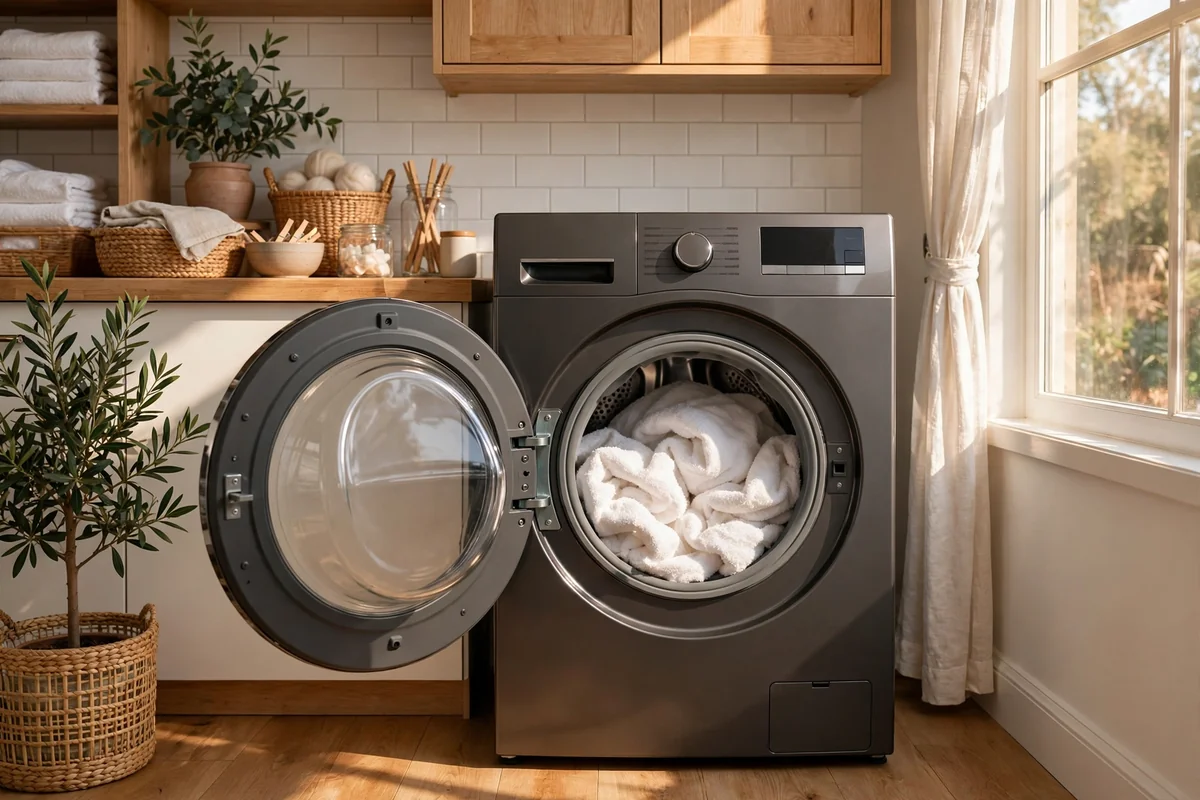
Before reaching for any tub, try the machine itself. Leftover detergent trapped in fibres is often the whole problem, and an extra rinse can carry it away. Wash the load as usual with no added detergent at all, choose the warmest setting the fabric allows, and select the extra rinse option if your machine offers one.
Repeat the plain water wash once more if the rinse water still feels slippery or looks sudsy, because lingering bubbles mean residue is still leaving the cloth. This reset works especially well after a period of generous detergent pouring. Many people find two careful plain washes restore towels completely, with no soaking, no powders and no risk to the fabric at all.
6. The Half Measure Detergent Recovery
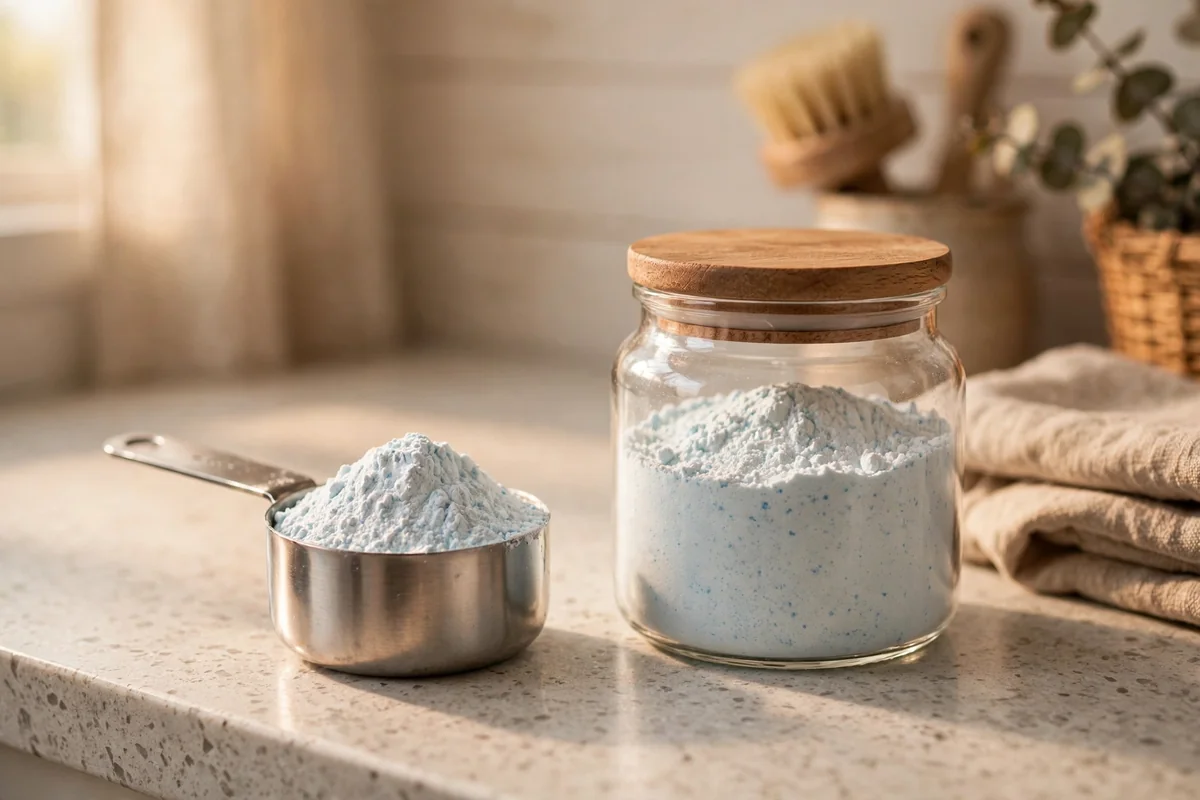
If buildup keeps returning, the measuring scoop is usually to blame. Most loads need far less detergent than the largest line on the cap, especially in soft water. For the next six to eight washes after a strip, use half the amount you normally pour, and let the reduced dose gradually wash old residue out of both the fabrics and the machine.
It feels counterintuitive, but clothes washed in very sudsy water often come out dingier, because foam cushions the fabric and traps soil instead of lifting it. A modest dose, a full drum of water movement and an occasional extra rinse will keep freshly stripped towels from coating up again. Think of this method as the quiet maintenance that protects your deep clean.
7. Oxygen Powder Brightening Soak for Whites
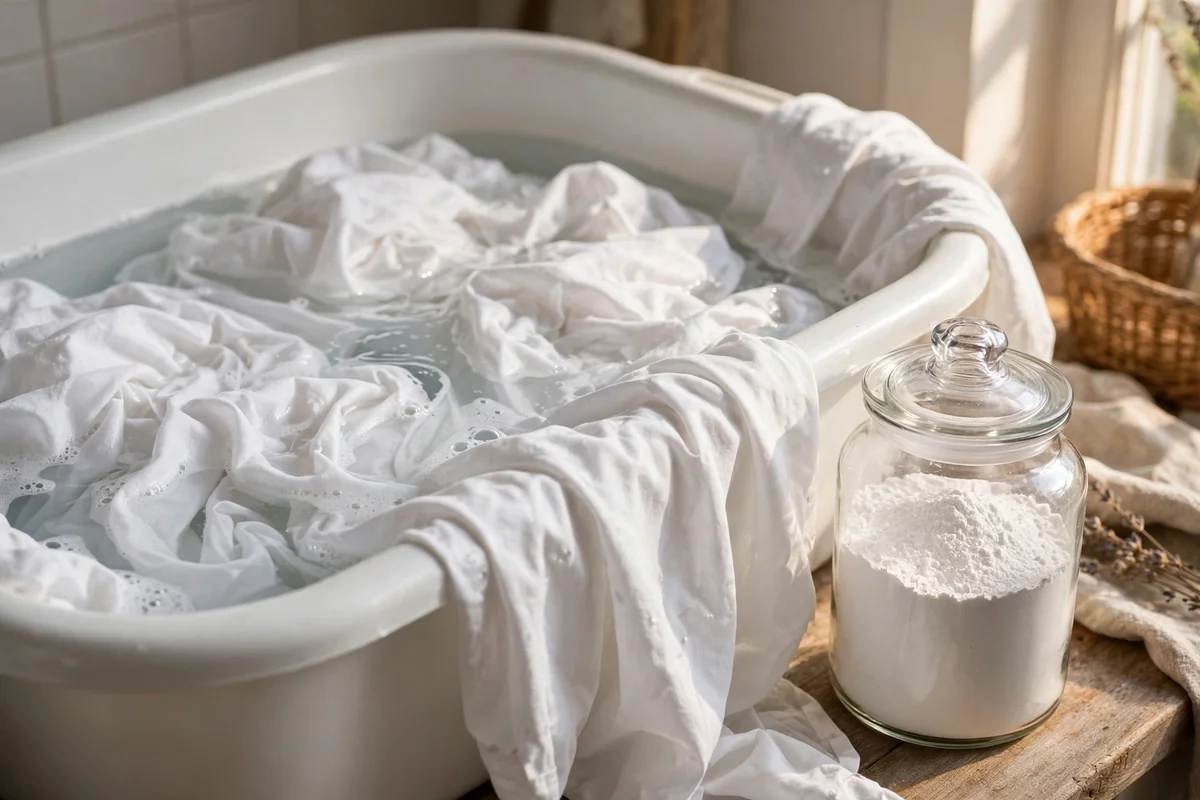
White cottons that have greyed with age respond well to oxygen bleach, the colour safe powder sold for laundry soaking. Follow the packet directions exactly, which usually means dissolving about half a cup in a gallon of warm water, or a full scoop per sink of water, then soaking whites for one to six hours depending on how dull they look.
Oxygen bleach is not chlorine bleach, and it is generally kinder to washable fabrics, but it still deserves respect. Keep it off silk, wool and leather trims, test coloured items in a hidden spot first, and never mix it with other cleaners in the same soak. After soaking, wash as normal. Whites usually come out clearer because both residue and grey film have lifted away.
8. Vinegar Belongs in the Rinse, Never the Mix
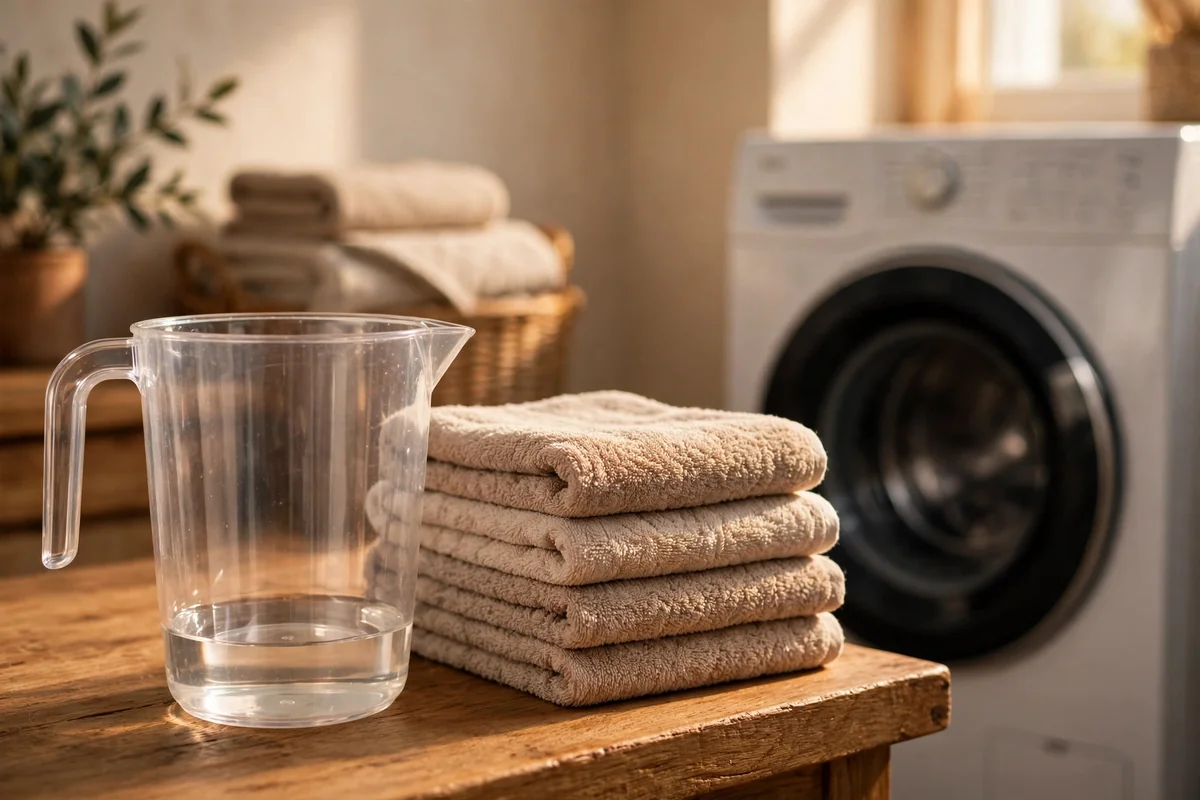
Plain white vinegar has a supporting role in this story, not a starring one. Add half a cup to the rinse cycle, or to the fabric softener dispenser, where its mild acidity helps dissolve detergent residue and mineral film as the water drains. Towels often come out softer and more absorbent after a few vinegar rinses, without any lingering smell once dry.
Two rules keep vinegar safe and useful. Never pour it into the stripping tub alongside your powders, where it would neutralise the alkaline cleaners and waste both. And never, under any circumstances, mix vinegar with chlorine bleach, because that combination creates harmful gas. Used alone in the rinse, kept separate from other products, it is a cheap and gentle helper.
9. A Gentler Warm Soak for Gym Kits
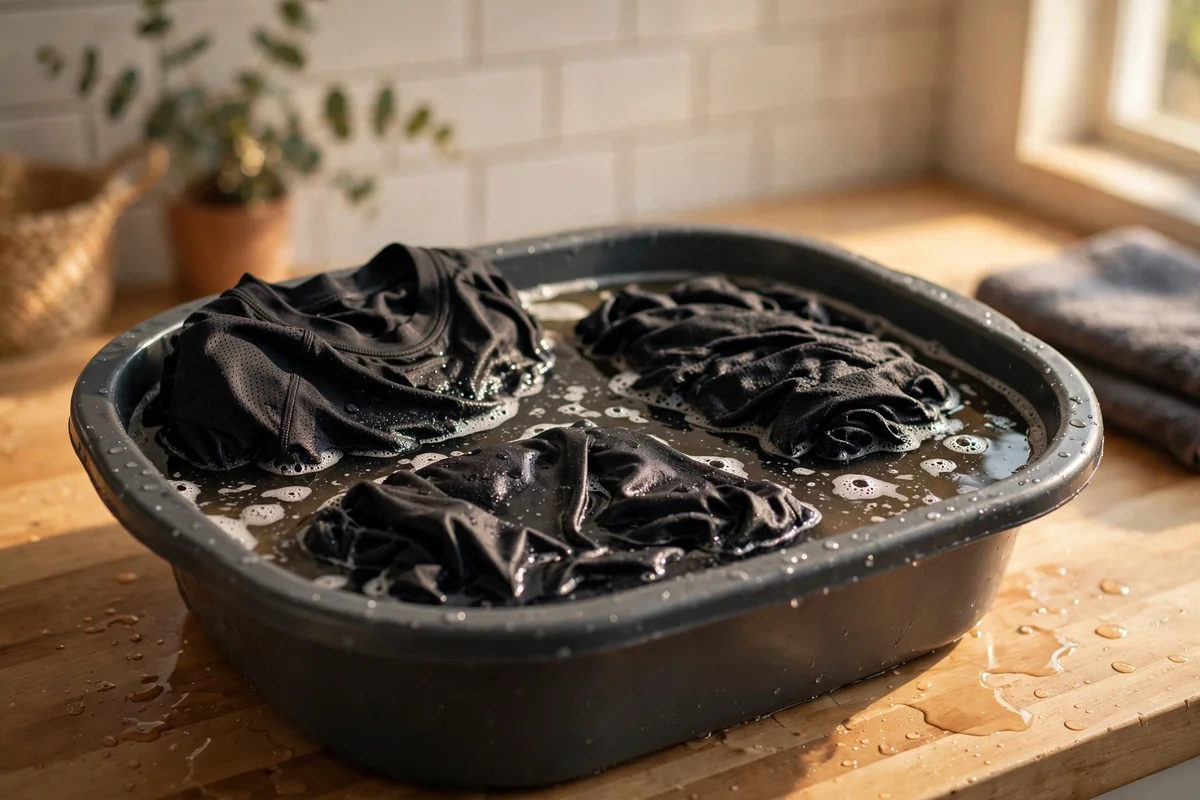
Workout clothes trap sweat and body oils inside synthetic fibres, yet those same fibres dislike harsh treatment. Skip the full stripping mix here. Use warm, not hot, water with two tablespoons of washing soda or a small dose of detergent made for sportswear, and soak gym kits for thirty to sixty minutes only, which is long enough to loosen odour causing residue.
Turn garments inside out before soaking so the solution reaches the inner surface that sits against the skin. Rinse thoroughly, because leftover cleaner in stretch fabric causes more odour later, and air dry away from direct heat to protect elastic. If smells survive two gentle soaks, the garment may be near the end of its life rather than in need of stronger chemicals.
10. Cotton Sheets, Stripped Back to Breathable
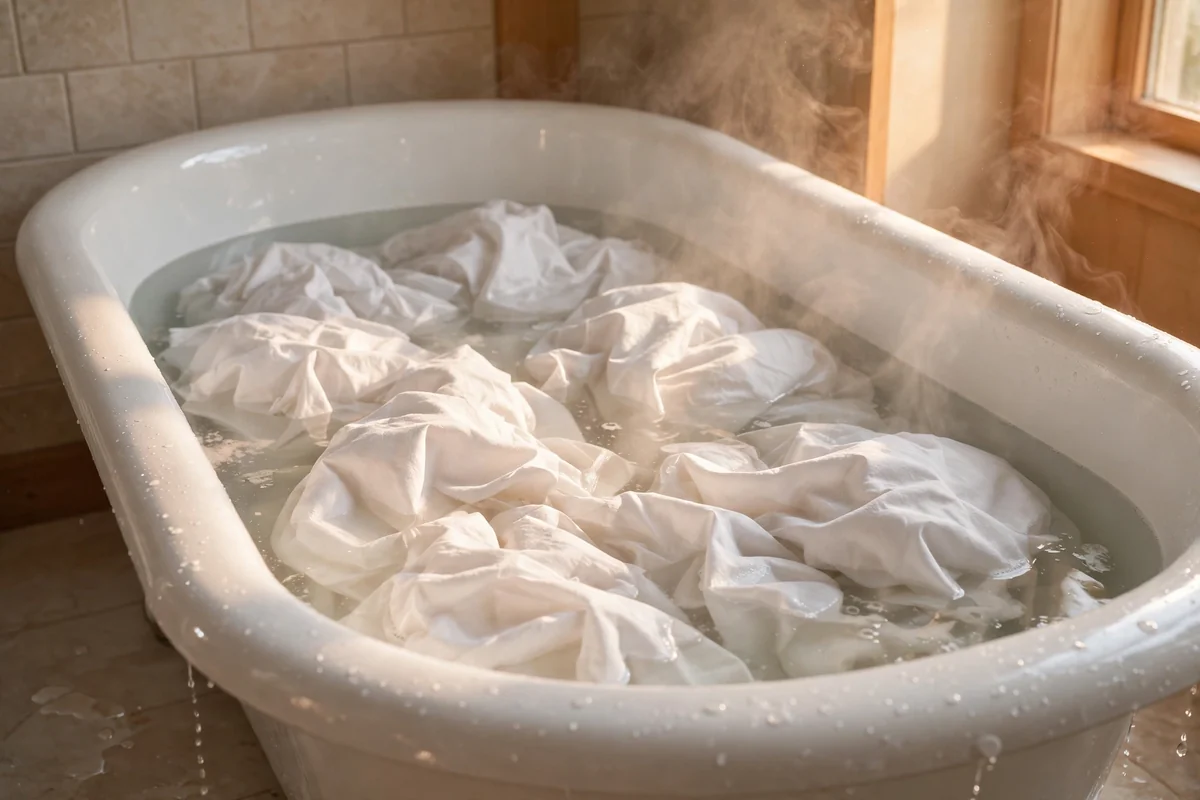
Sheets spend eight hours a night collecting body oils, skin creams and detergent film, and heavy sheets feel oddly clammy even when clean. Strip cotton sheets with the triple mix in the bathtub, using the standard quarter cup, quarter cup and half cup measures, and soak for three hours so the large, folded layers have time to release what they hold.
Unfold and reposition the sheets every half hour, because trapped air pockets keep parts of the fabric dry and untreated. Afterwards, wash with water only, add vinegar to the rinse, and dry fully before remaking the bed. Most people notice the difference the first night: the cotton feels lighter, breathes better and smells of nothing at all, which is exactly how clean bedding should smell.
11. Bath Towels That Drink Water Again
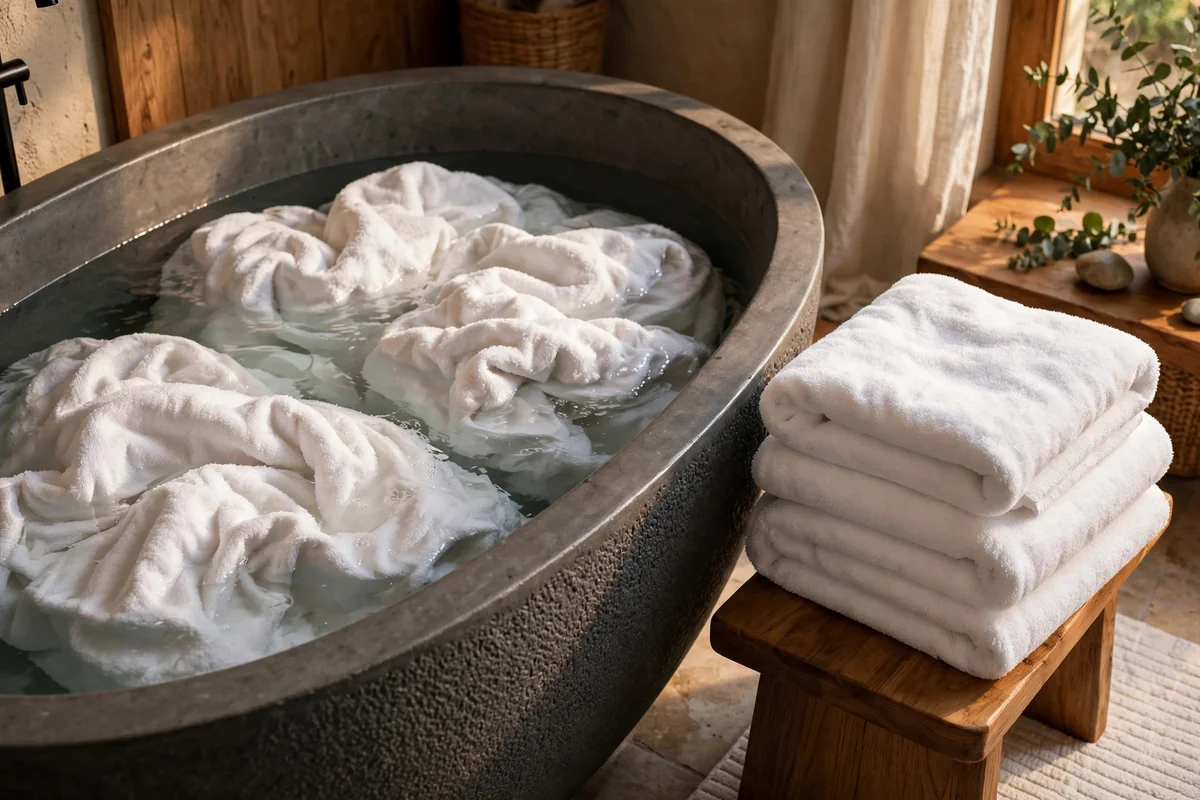
Bath towels are the classic stripping candidates, because they meet soap, skin oils and minerals every single day. When a towel starts pushing water around your skin instead of soaking it up, use the bathtub triple mix for a full four hours, stirring hourly. Towels are sturdy, tightly woven cotton, so they tolerate the strong soak better than almost anything else you own.
After rinsing in the machine, test the result by draping the dry towel over a small puddle on the counter: a restored towel pulls the water in within seconds. To protect the result, stop using fabric softener on towels altogether, since its coating is the fastest route back to poor absorbency. A vinegar rinse every few washes keeps them drinking well.
12. Kitchen Towels and the Grease Problem
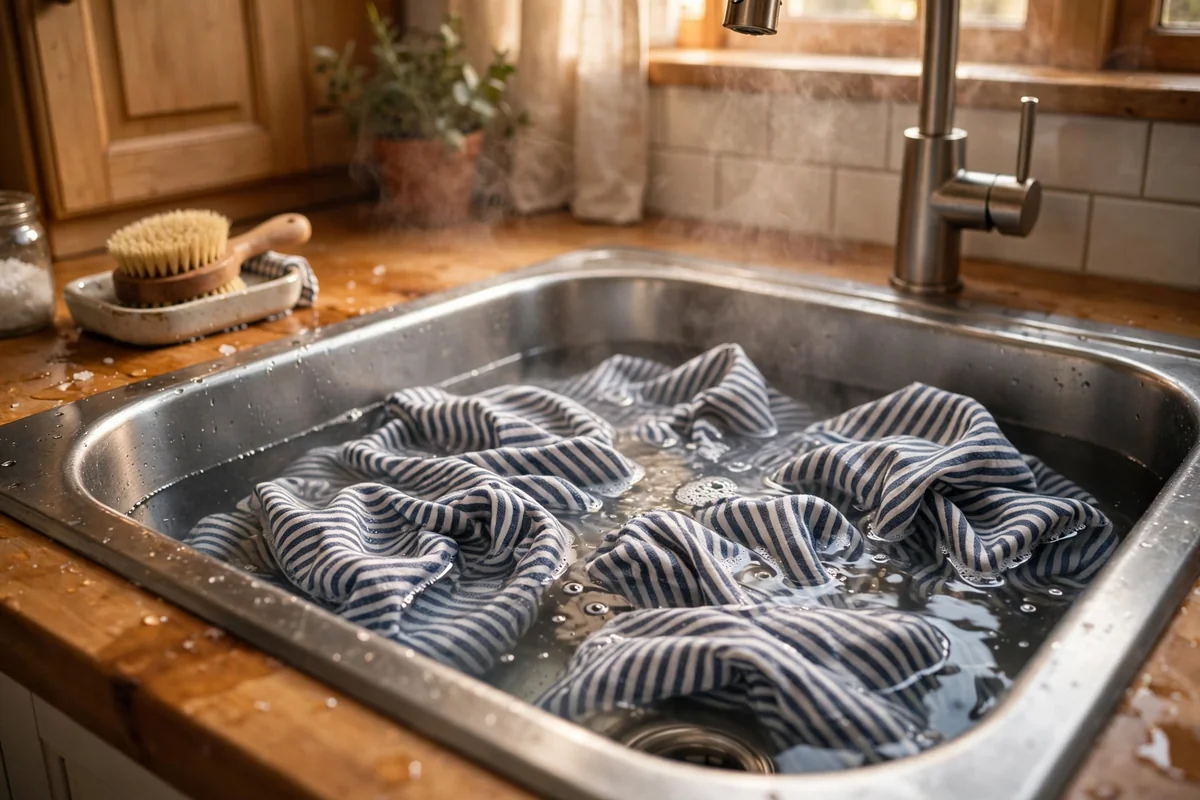
Kitchen towels carry a special kind of buildup: cooking grease worked deep into the weave by daily use. Begin with the hottest water your tap gives, the triple mix at standard measures, and a soak of three to four hours in the kitchen sink or a large basin. Grease loosens slowly, so resist the urge to shorten the soak.
Keep kitchen towels as their own stripping batch, separate from bath linens, because the greasy water they release is unpleasant company for anything else. Rinse until the water runs clear, then wash hot with your normal detergent dose. Towels used for mopping spills may never look new again, but stripping removes the stale, rancid smell that ordinary washing leaves behind, which is the real victory.
13. Cleaning Cloths and Mop Heads, Renewed
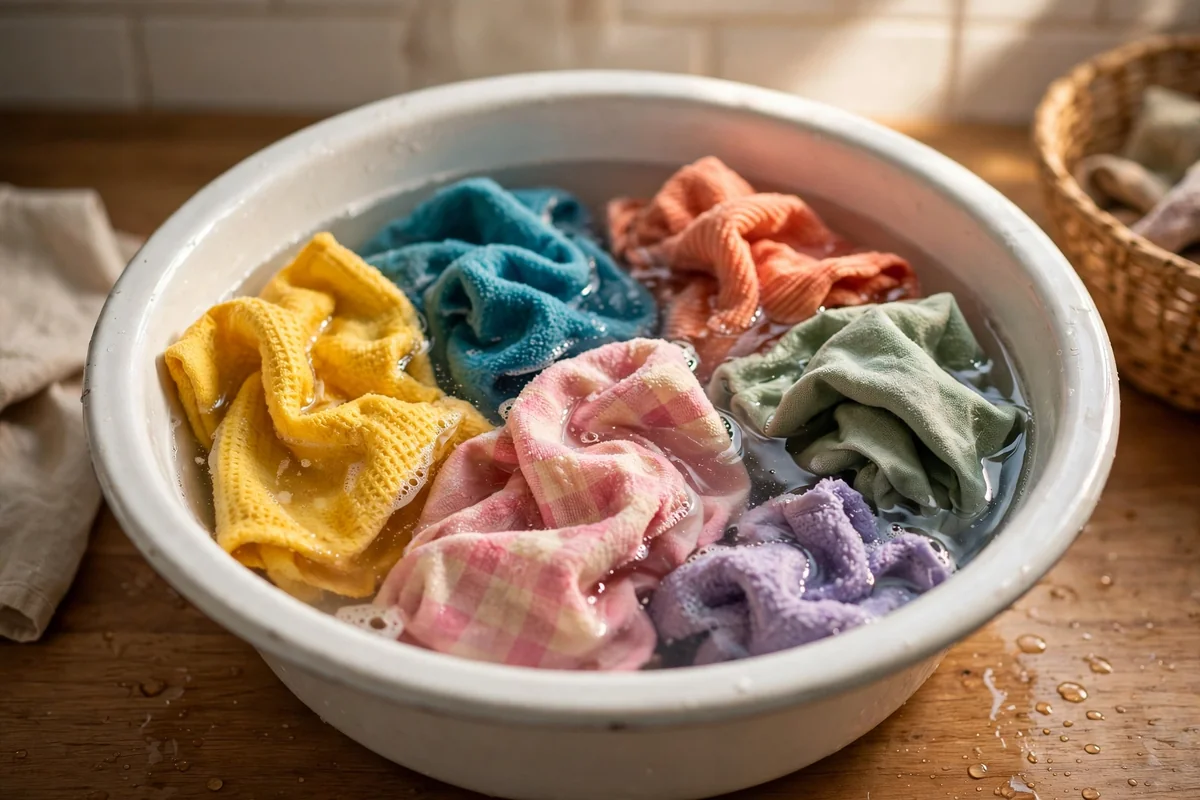
Reusable cleaning cloths quietly collect every product they ever wiped up, until they start spreading a filmy residue over the very surfaces they should polish. Strip cotton cloths and removable mop heads together in a bucket with two tablespoons each of borax and washing soda plus a small squirt of dish soap free detergent, using powdered laundry detergent at a quarter cup instead.
Soak for two hours, rinse until the water is completely clear, then wash and dry fully before storing, because damp cloths stored in a cupboard grow musty fast. Cotton cloths handle this treatment well, but check microfibre labels first, since some makers advise against hot water and strong alkalis. Renewed cloths absorb spills properly again instead of skating over them.
14. White Cotton Socks, Brightened in a Bowl
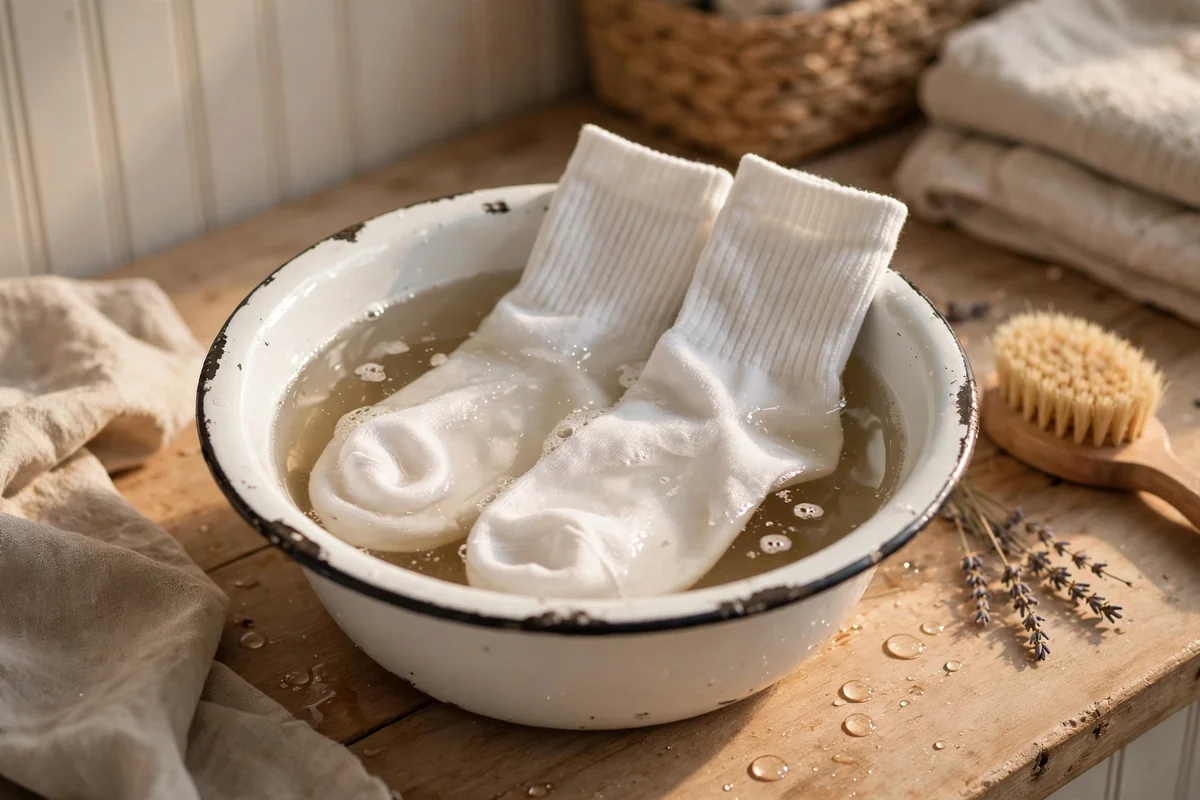
Small items do not need a whole bathtub. White cotton socks that have greyed at the heel and sole brighten nicely in a washing up bowl: one tablespoon of oxygen bleach powder or a teaspoon each of borax and washing soda dissolved in hot water. Soak the socks for one to two hours, turning them once so both sides get equal time.
This small batch method uses a fraction of the water and powder, which makes it easy to repeat every month or so. Rinse the socks, wash them with the regular whites load, and dry them in daylight when you can, because sunlight is a gentle natural brightener. Socks with worn thin heels will still look worn, but the dingy grey film will be gone.
15. Washcloths That Feel Soft Again
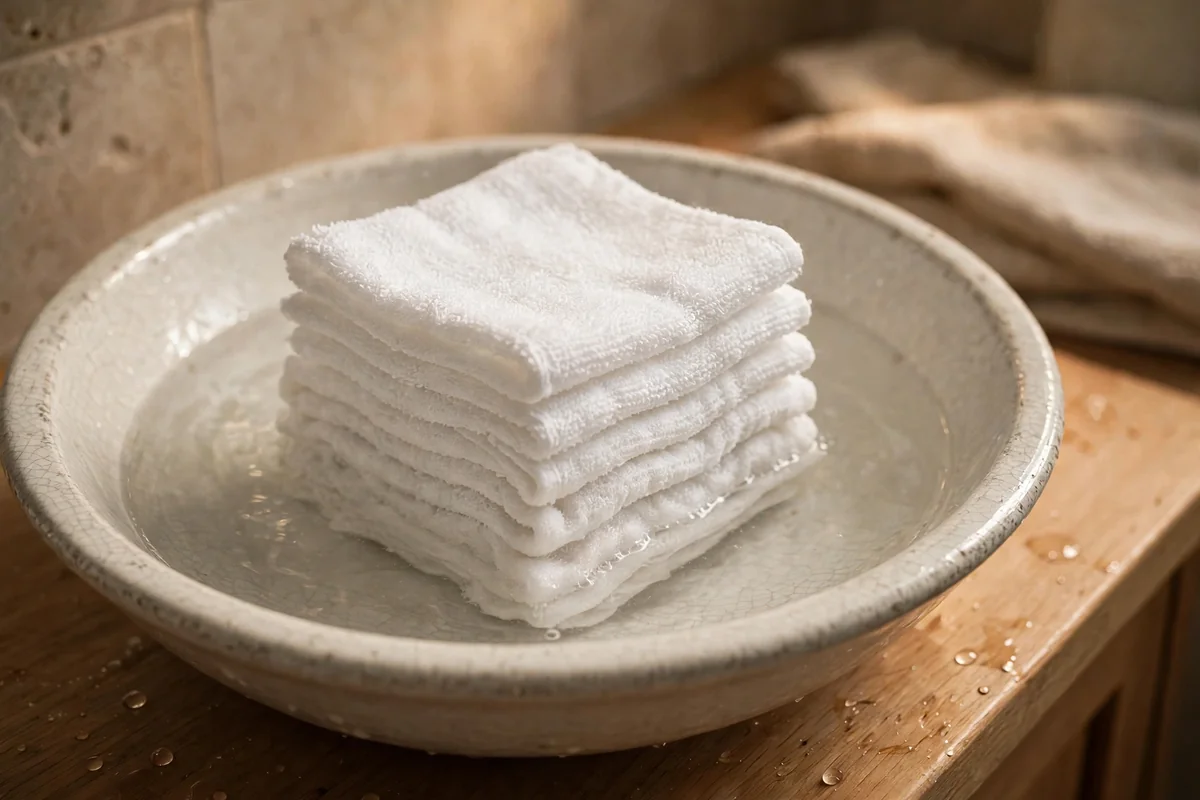
Washcloths meet soap more often than any other fabric in the house, and the residue builds into a surprising stiffness. A sink of hot water with two tablespoons of washing soda and one tablespoon of borax is plenty for a stack of washcloths. Soak for one to two hours, stirring occasionally, then rinse in the machine with vinegar in the rinse for extra softness.
Because washcloths are used on skin daily, the final rinse matters more than the soak. Run an extra plain water wash if they feel at all slippery, and dry them completely between uses on a rail where air can move. Rotating a larger set of cloths, so each one dries fully before its next turn, prevents the sour smell that makes stripping necessary.
16. The Cotton Robe Slow Soak
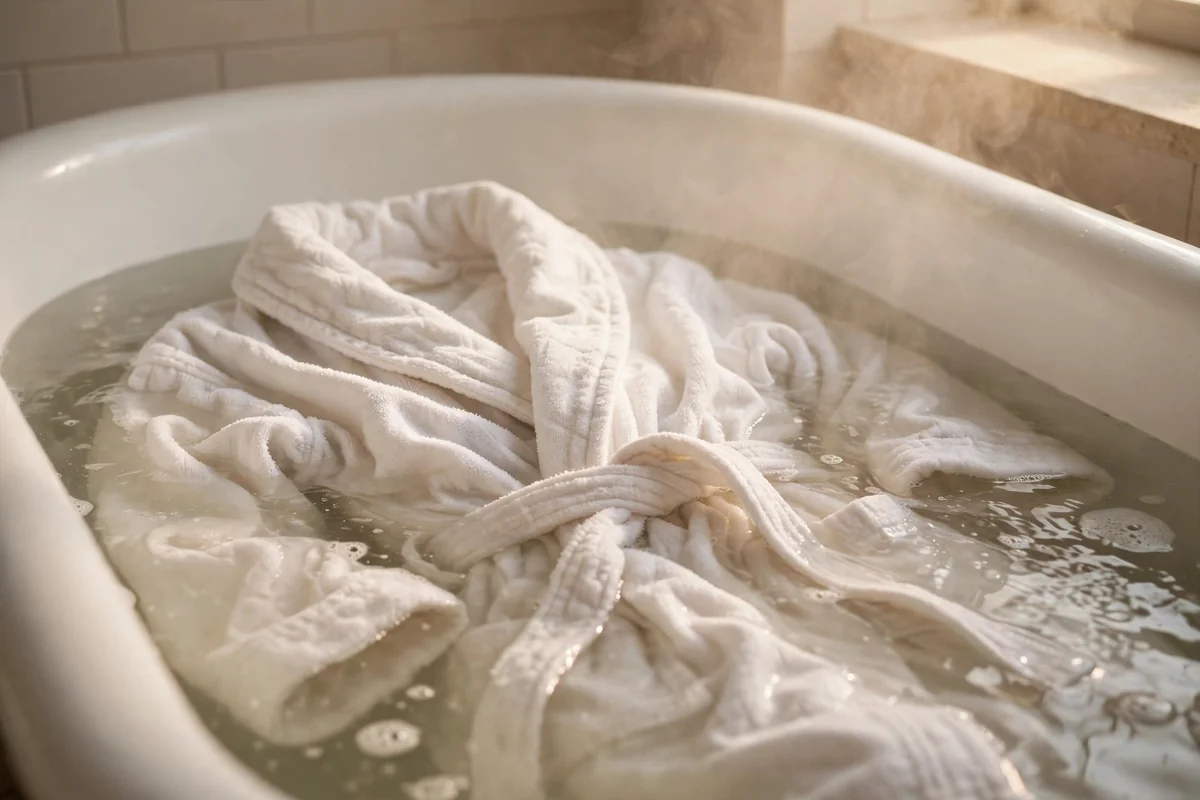
A cotton robe absorbs body oils along the collar, cuffs and belt month after month, and its bulk hides the buildup well. Give it a slow soak in the bathtub with the gentler washing soda method, half a cup in hot water, for three hours. Turn the robe inside out first so the solution reaches the inner surfaces that rest against the skin.
Support the robe as you lift it out, because a waterlogged robe is heavy and its wet weight can strain seams and hanger loops. Rinse in the machine on a gentle cycle, then tumble or line dry until every layer is fully dry. One soak like this, two or three times a year, keeps a good cotton robe soft and fresh for years.
17. Pet Blankets, Stripped Separately
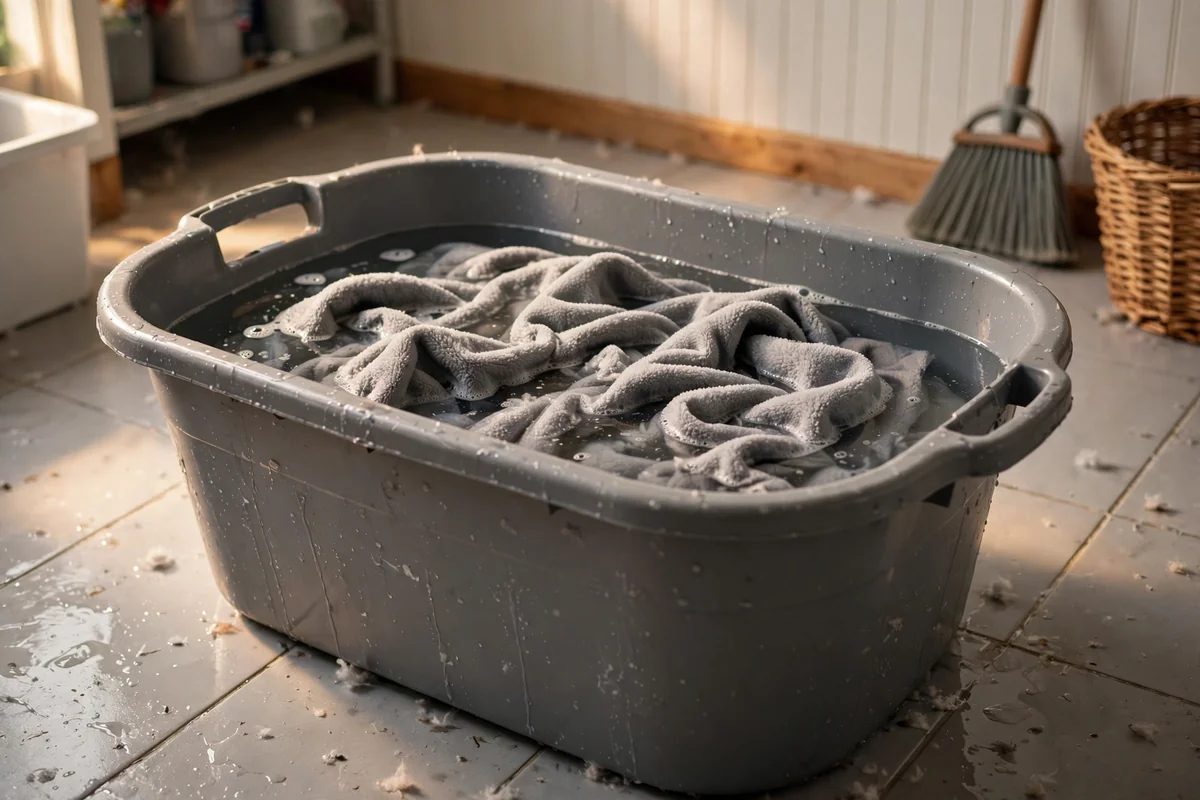
Washable pet blankets gather fur, dander and outdoor dirt, and they deserve their own batch. Shake the blanket outdoors first, wash it once on its own, then strip it in a large tub with the washing soda method, half a cup in hot water, for two hours. Keeping pet items separate protects family laundry from the heavy soil these blankets release.
Check the care label before starting, because some pet bedding has waterproof layers or fillings that should not soak at all. Afterwards, run an empty rinse cycle in the machine to clear stray fur, and wipe the drum and door seal. Dry the blanket completely before it goes back into use, since a slightly damp blanket picks up odours again within days.
18. Washing Away the Softener Coating
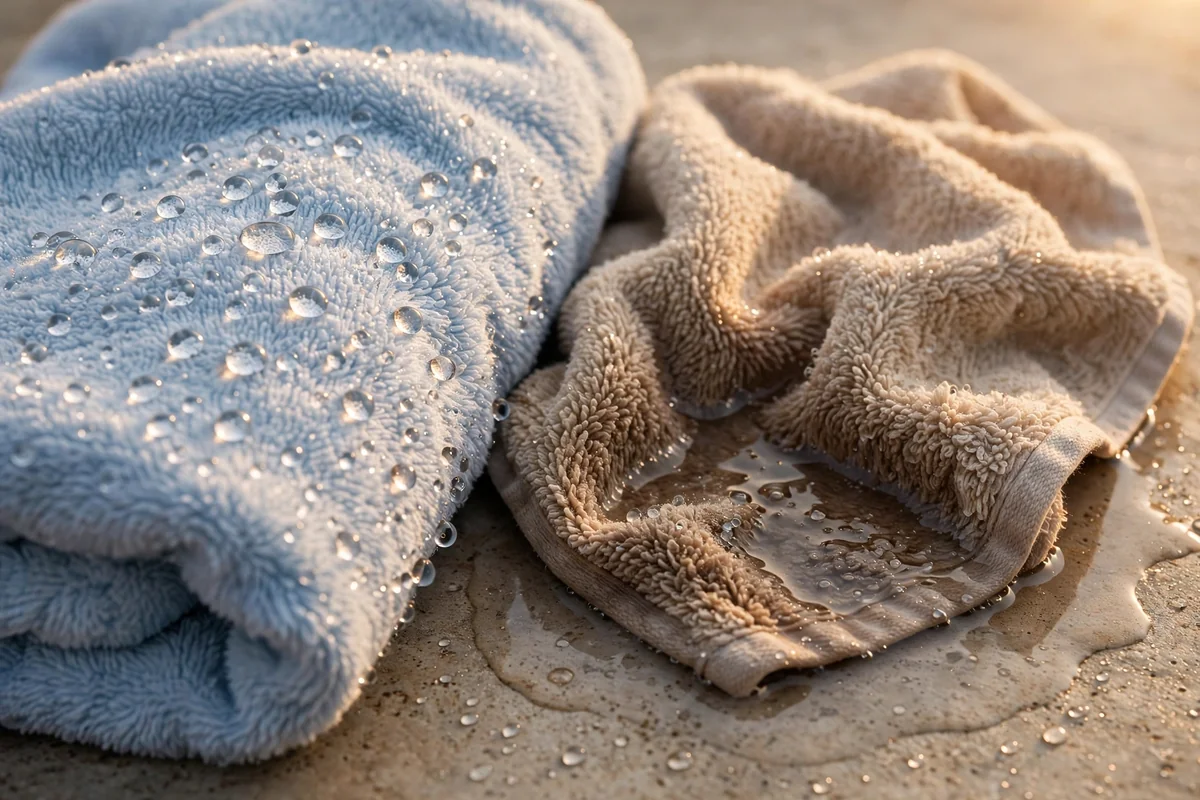
Fabric softener works by leaving a coating on fibres, and that coating is exactly what stripping removes. If your towels have been washed with softener for months, use the full bathtub triple mix and the longest soak, four hours, and expect the water to turn strikingly dark. The coating releases slowly, so patience does more here than extra powder ever will.
After the soak and rinse, make a house rule: no softener, liquid or sheets, on towels, cleaning cloths or sportswear from now on. These items perform better uncoated. If you miss the scent, a vinegar rinse and line drying outdoors give freshness without film. Within a few washes, absorbency improves so clearly that the softener bottle usually stays in the cupboard for good.
19. Smaller Loads Rinse Cleaner
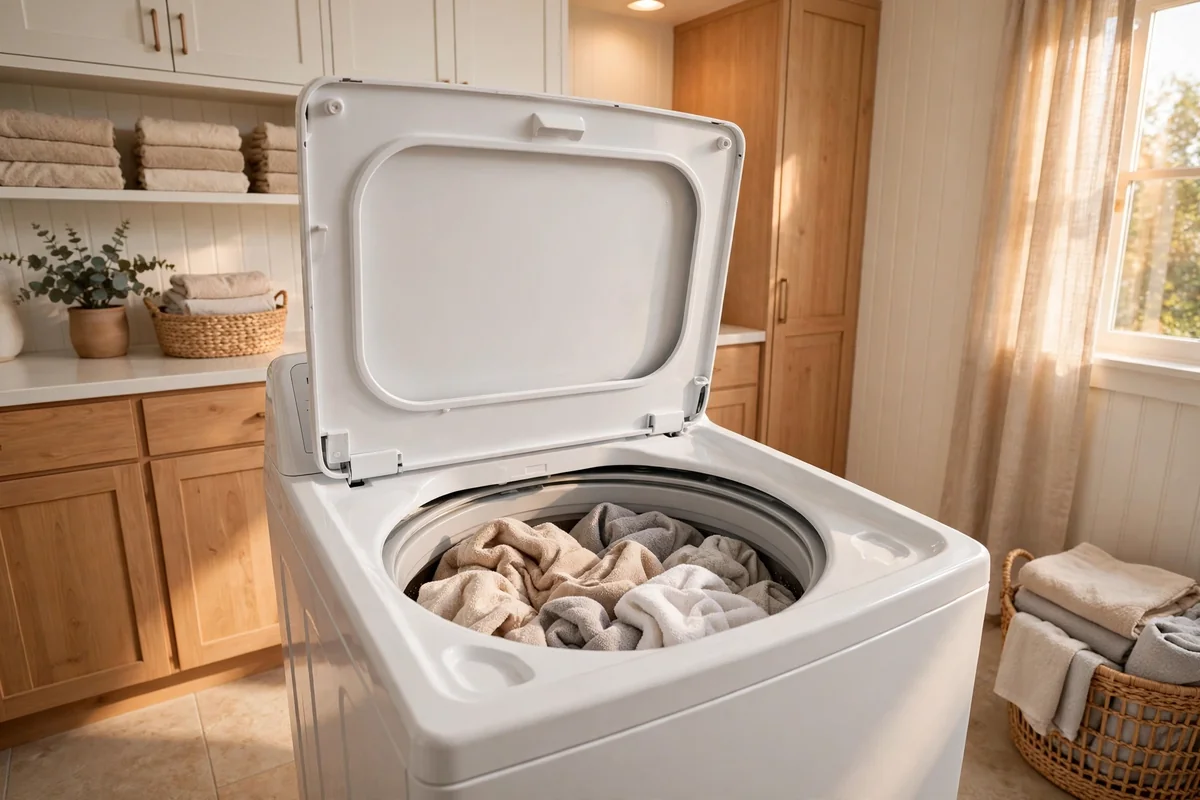
An overfilled drum is a quiet cause of buildup, because packed fabrics cannot move, and water cannot flush detergent through them. After stripping a load, change the habit that coated it: fill the machine only two thirds full, leave a clear gap at the top, and let each wash have room to agitate and rinse properly.
It can feel wasteful to run a smaller load, but a load that rinses clean the first time uses less water overall than one that needs rescuing later. Heavy items like towels and jeans benefit most from the extra space. Combine sensible load sizes with measured detergent, and the freshly stripped feeling of your linens will last months longer between deep cleans.
20. A Water Softener Boost for Mineral Heavy Homes
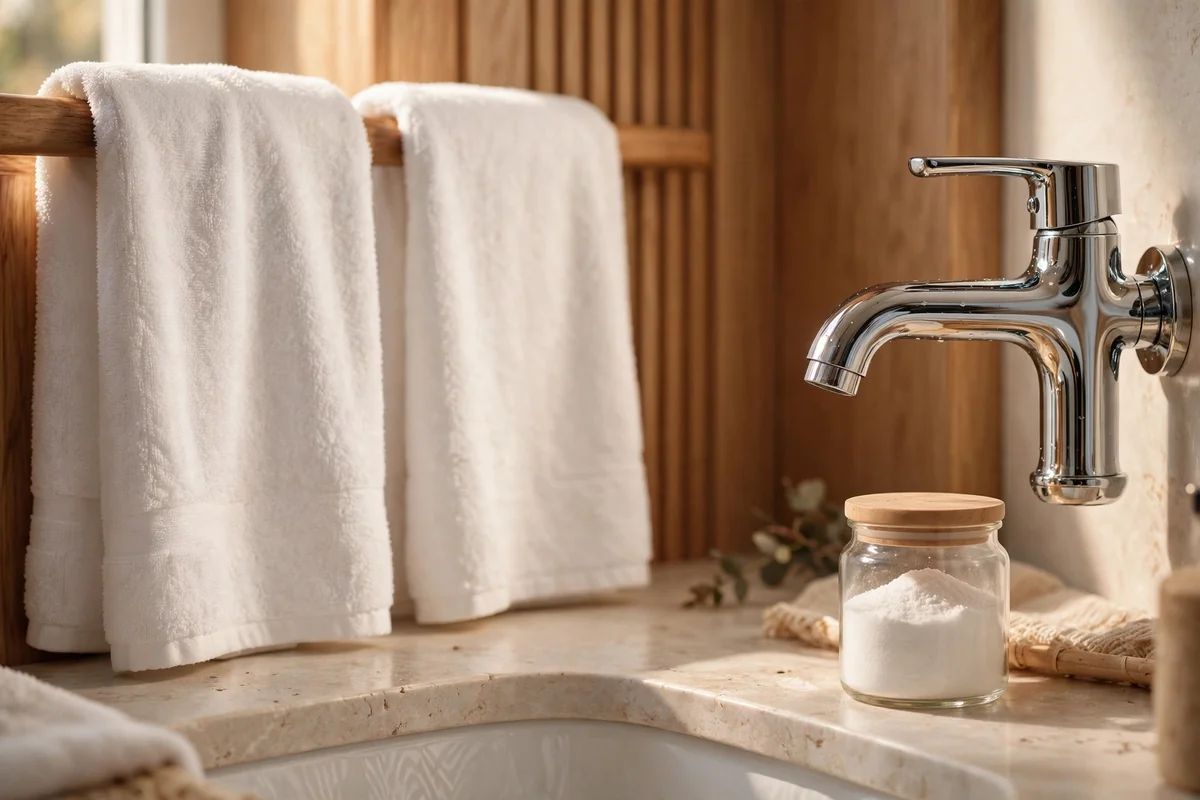
In hard water postcodes, every wash adds a whisper of mineral film, and stripping becomes a recurring chore unless the water itself is addressed. Add a water softening powder to regular washes according to its packet directions, usually a tablespoon or two per load. Softened water lets detergent work at a lower dose and rinses away instead of clinging.
This is prevention rather than stripping, and it pairs well with an occasional borax soak a few times a year. If your kettle furs up quickly and your taps wear white crusts, your laundry is fighting the same minerals. Treating the water, not just the fabric, is often the turning point for households that found stripping helpful but frustratingly temporary.
21. Guest Towels, Fresh Before the Cupboard
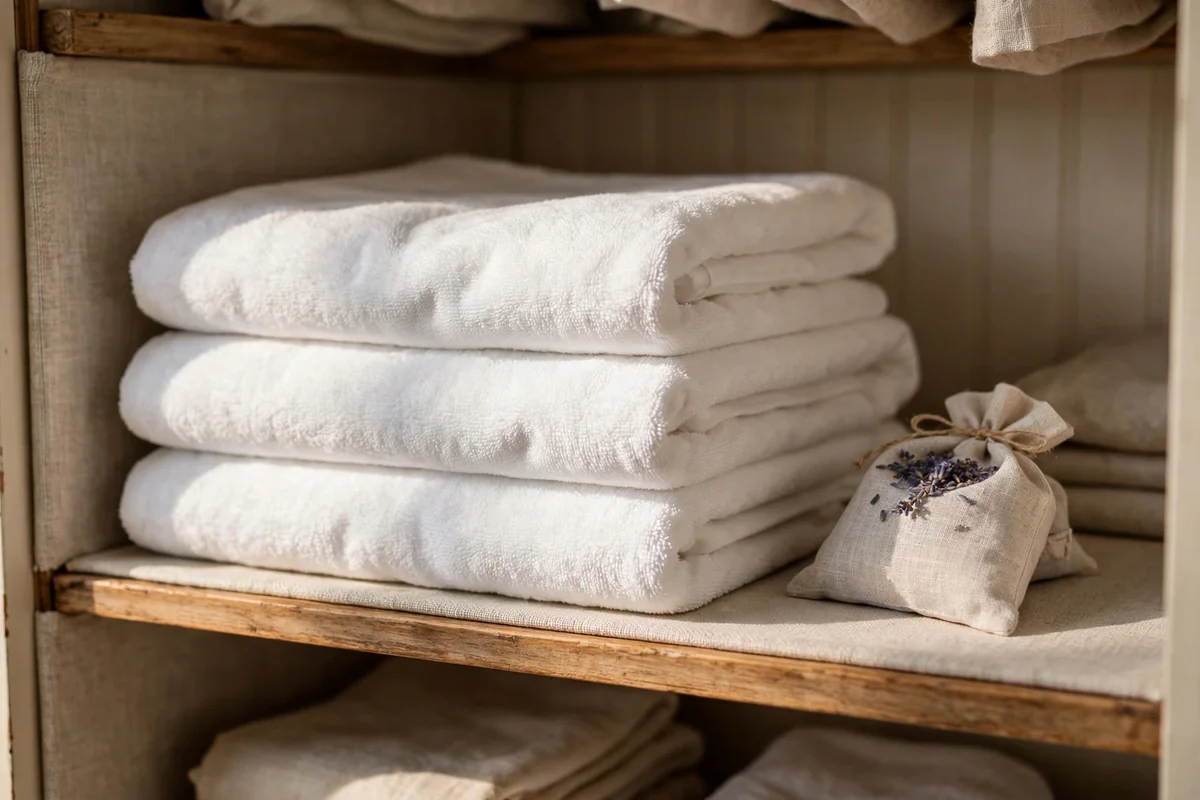
Guest towels sit folded for months, and stored fabric slowly takes on the stale smell of the cupboard. Before a visit, or before putting a set away for the season, strip guest towels with the gentle washing soda soak, rinse with vinegar, and dry them completely, ideally outdoors, before folding them onto the shelf.
Store the dried towels loosely rather than compressed, with a small lavender sachet nearby if you enjoy the scent. Never store towels that feel even slightly damp, because trapped moisture undoes all the work of the soak within weeks. A fresh strip before storage means the next guest gets towels that smell of nothing but clean cotton.
22. Quilts and Blankets at Season End
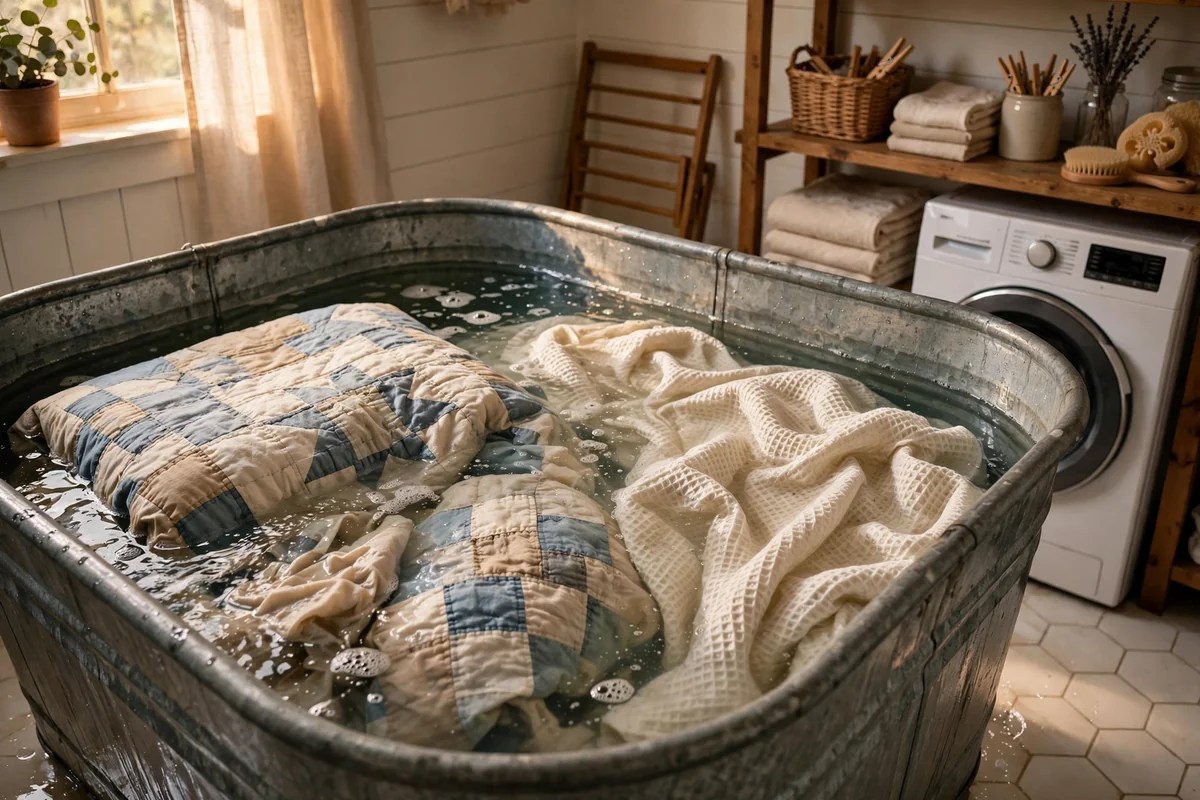
Bulky cotton quilts and blankets need the biggest vessel you have, usually a bathtub, and the gentler end of the methods. Use half a cup of washing soda in a full tub of warm water, ease the quilt under the surface, and soak for two hours, pressing it down gently every so often so trapped air escapes and the water reaches the middle layers.
Check the label first, and never strip antique quilts, delicate stitching or anything with loose dyes; test a corner for colourfastness before committing the whole piece. Lift the wet quilt with support from underneath, rinse until the water clears, and dry it flat or over a line with its weight evenly spread. Stored clean and fully dry, it will come out fresh next season.
23. The Musty Smell Rescue Without Extra Fragrance
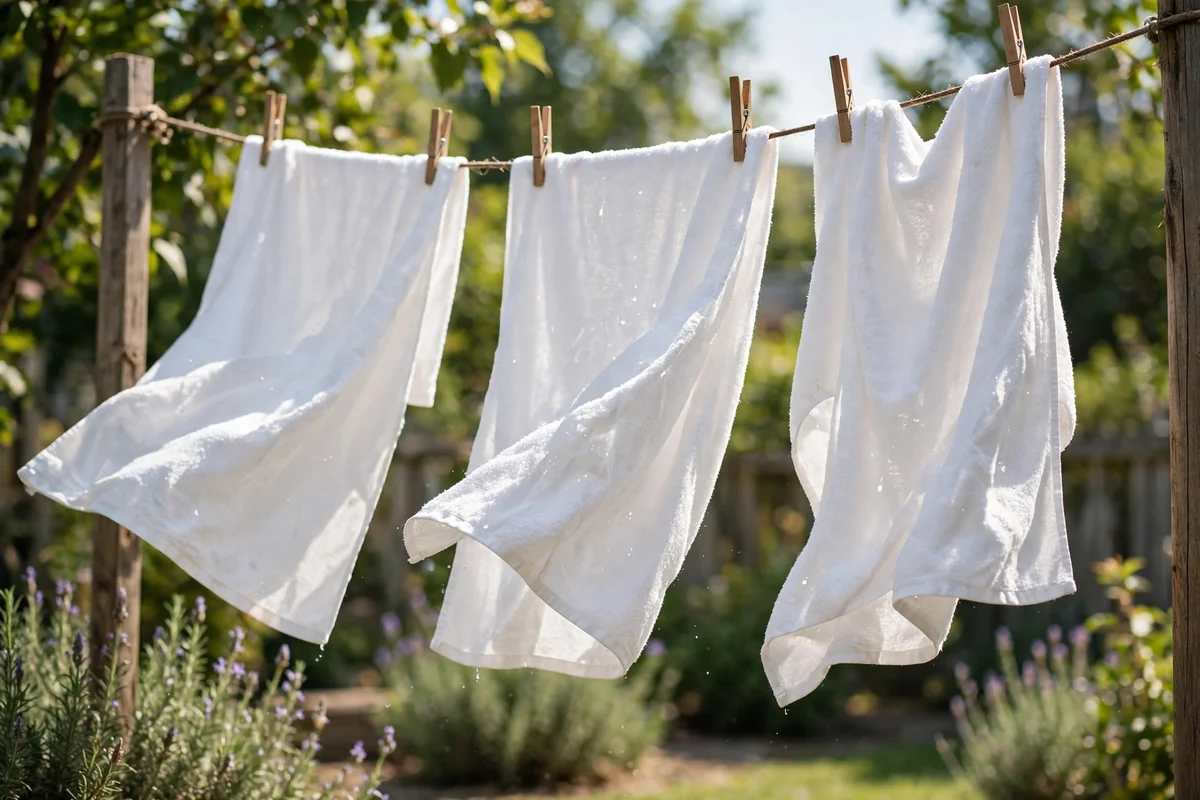
Musty towels that smell stale within a day of washing are usually carrying residue, not dirt, and more fragrance only masks the problem. Strip them with the triple mix, rinse twice, and dry them thoroughly the same day, outdoors in moving air if possible. Sunlight and a full dry do as much for freshness as the soak itself.
If the sour smell returns quickly, look at the machine: a gummed up detergent drawer and a slimy door seal reseed every load with odour. Wipe the seal, clean the drawer, and run the hottest empty cycle with a machine cleaner or a cup of washing soda. Treat fabric and machine together, and the mustiness usually leaves for good.
24. Everyday Habits That Keep Buildup Away
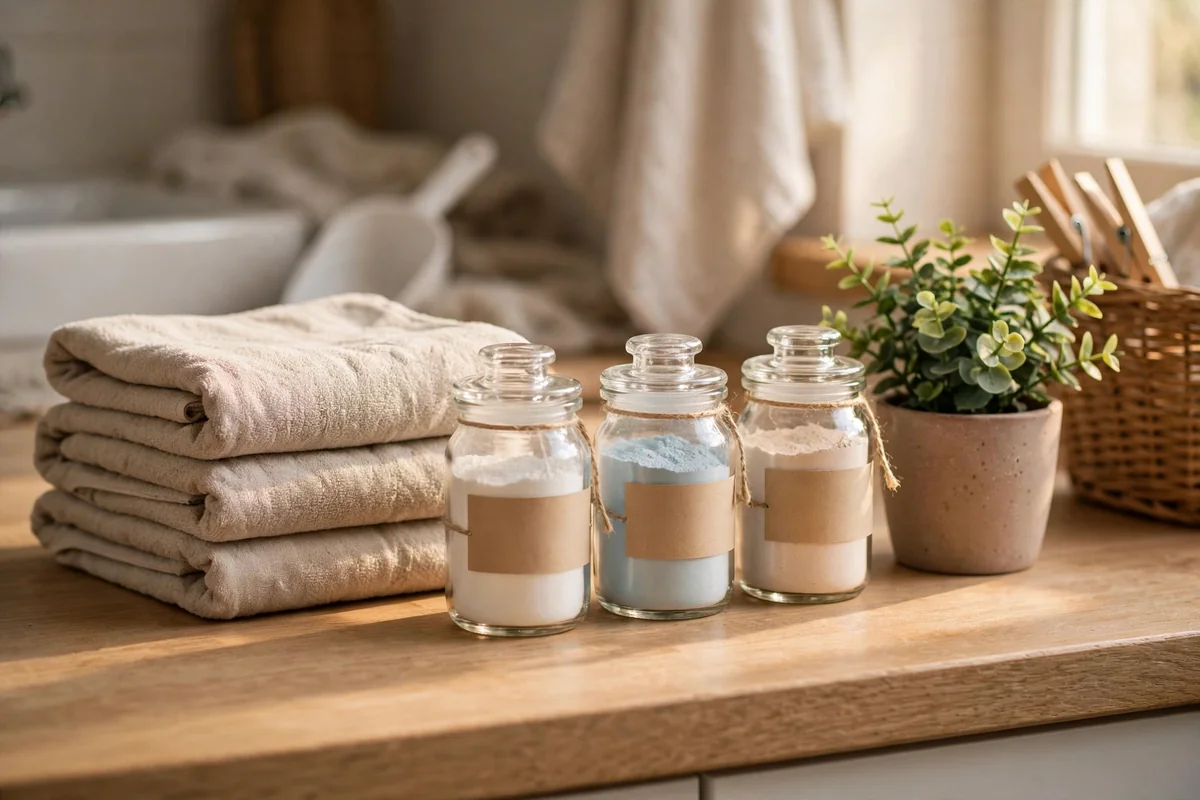
The best stripping method is the one you rarely need. Measure detergent with the cap lines, not by eye, and use the smallest dose that suits your water. Skip softener on towels and cloths, choose warm or hot water for cottons when labels allow, add vinegar to rinses now and then, and leave the machine door ajar between washes so the drum dries.
Clean the machine itself monthly: drawer, seal and a hot empty cycle. Wash heavy items in modest loads, and dry everything fully before it is folded away. None of these habits costs anything, yet together they stretch the life of a deep clean from weeks to many months, which is the quiet secret behind households whose towels always feel like hotel towels.
25. Read the Care Label First: Fabrics to Leave Alone
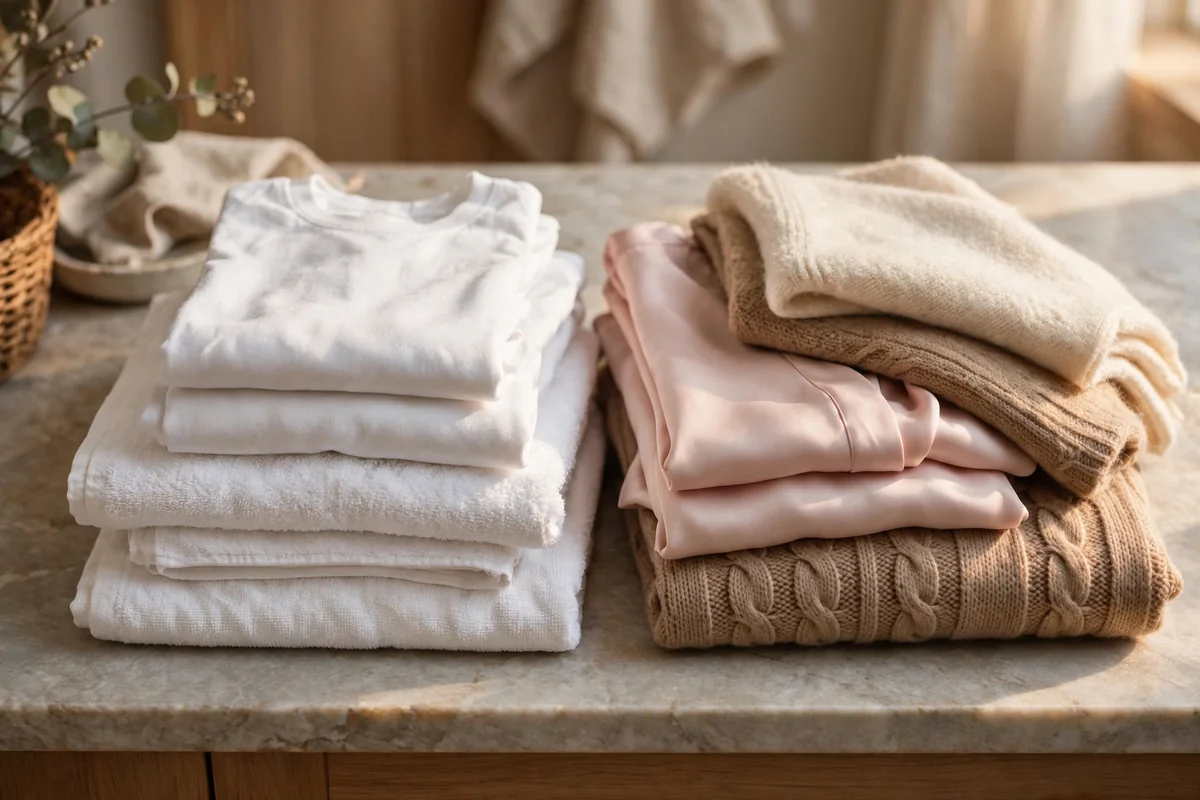
Stripping is powerful, which means some fabrics must be left out of the tub entirely. Never strip silk, wool, cashmere, lace, or anything marked dry clean only. Avoid items with waterproof coatings, glued embellishments, leather trims or weak elastic, and never strip children’s sleepwear treated with flame retardant finishes, because soaking can damage the protection the garment was made to provide.
Dark and bright colours deserve caution too, since long alkaline soaks can fade dyes; test a hidden corner and shorten the soak if you proceed at all. When in doubt, choose the plain hot water soak or the machine rinse reset, which are gentle enough for most washable fabrics. A ruined garment costs far more than the satisfaction of very clean towels.
A Few Final Thoughts
Treat stripping as a seasonal reset for your sturdiest cottons, not as a weekly habit, and it will reward you with towels that absorb, sheets that breathe and cloths that smell of nothing but clean. Measure honestly, soak patiently, rinse thoroughly, and let better everyday habits keep the buildup from creeping back.
Frequently Asked Questions
How often should laundry be stripped?
For most homes, every three to six months is plenty, and only for items that clearly need it: towels losing absorbency, sheets feeling heavy, cloths smelling stale. Stripping more often wastes water and powders and is hard on fibres. If buildup returns within weeks, the cause is usually detergent dose, softener or load size, so fix the habit rather than repeating the soak.
What is the standard stripping ratio?
The widely used bathtub recipe is a quarter cup of borax, a quarter cup of washing soda and half a cup of powdered laundry detergent, dissolved in a tub filled halfway with the hottest tap water. Add the powders while the water runs and stir until dissolved before adding clean, damp laundry. Scale down proportionally for a sink or bucket, and always follow the safety directions on each product packet.
Which fabrics should never be stripped?
Keep silk, wool, cashmere, lace and anything marked dry clean only far away from stripping soaks. The same goes for waterproof coatings, items with glued decorations, leather trims, tired elastic, and children’s sleepwear with flame retardant finishes, which soaking can damage. Sturdy, washable cotton is the safe territory here: towels, sheets, washcloths, plain socks and cotton robes.
Can coloured laundry be stripped?
Coloured cottons can sometimes be stripped, but the long, warm, alkaline soak may fade dyes, especially deep or bright shades. Test a hidden area first, use the gentler washing soda or plain hot water method, and keep the soak shorter. When the item matters to you, the machine based rinse reset is the safer first attempt, and many coloured loads need nothing stronger.
Why does the soak water turn so dark?
That murky water is the point of the whole exercise. It holds the detergent film, fabric softener coating, body oils, skin cells and hard water minerals that ordinary washing left behind in the fibres. Dark water does not mean your laundry was filthy in the everyday sense; it means layers of invisible residue finally let go. Rinse everything thoroughly afterwards so the loosened coating leaves with the water, not back into the cloth.