DIY Projects
21 DIY Lip Oil Recipes That Feel Silky, Gentle and Naturally Nourishing
By Anna Wells · · 21 min read
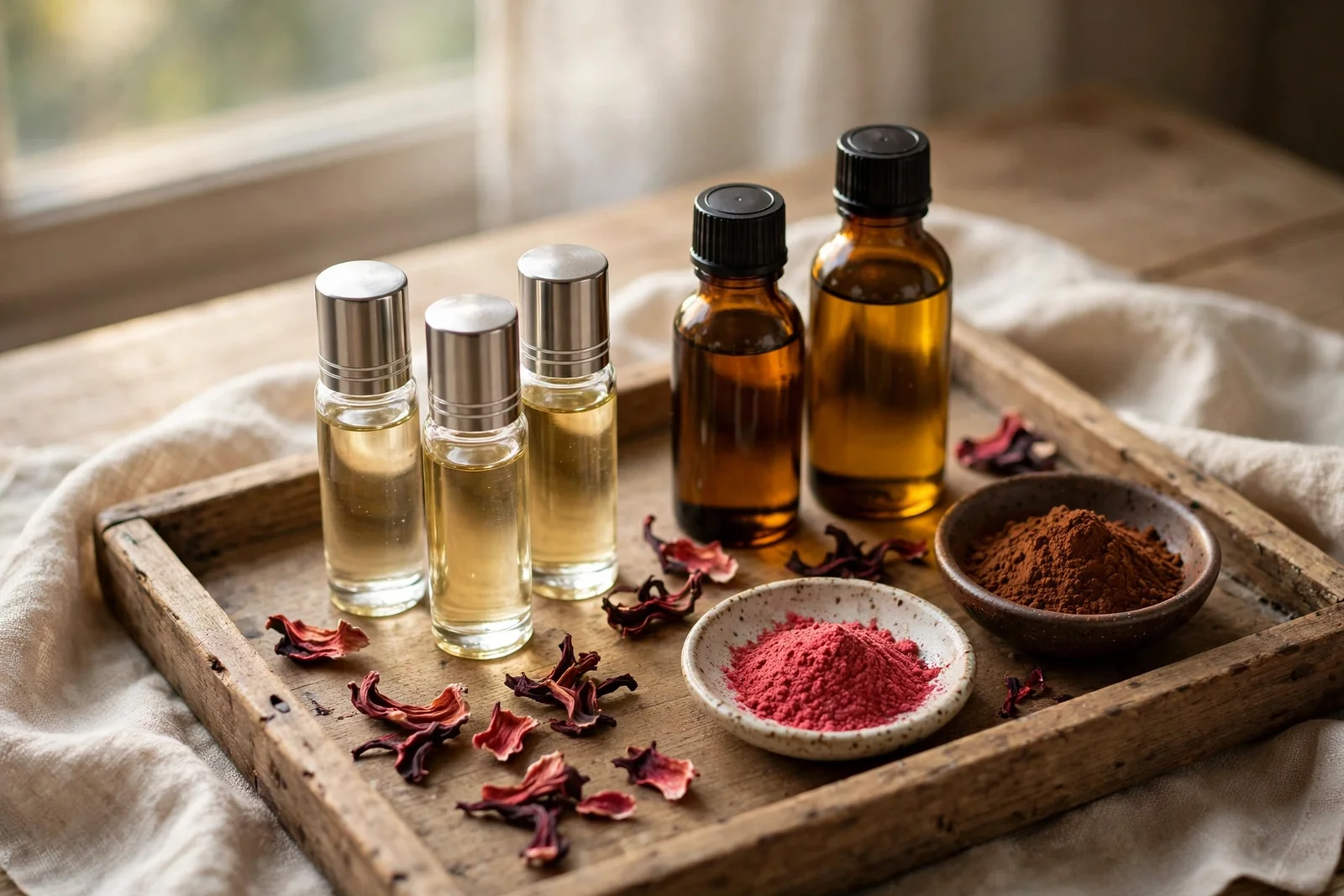
Make silky, nourishing lip oils at home with five gentle plant oils, natural tints from beetroot and hibiscus, and simple hygiene habits that keep every small batch fresh.
There is a particular dryness that settles in by mid afternoon, when a morning balm has long worn off and the air feels thinner. Instead of reaching for another tube of flavoured gloss, imagine a small glass roller bottle filled with oil you blended yourself, cool and weightless, tinted the colour of dried rose petals. That is the quiet pleasure this guide is built around: gentle, plant based lip oils made in your own kitchen.
You will find twenty one complete blends here, from a bare jojoba starter to deep cherry tints made with alkanet root, each one using only five carrier oils: jojoba, sweet almond, castor, fractionated coconut and vitamin E. Colour comes from beetroot powder, cocoa, hibiscus and alkanet root, while scent stays soft with food grade vanilla or sweet orange. Every recipe fits a standard 10 ml roller bottle, so your shelf stays tidy and every batch stays fresh.
Alongside the recipes you will learn the habits that keep handmade lip oils safe and pleasant: sterilising roller bottles with heat and air drying, patch testing each blend for three days, and storing finished bottles in a cool dark drawer with the date written on a small label. These steps take minutes, cost almost nothing, and make the difference between a blend you trust and one you quietly throw away.
Start with whichever blend matches your mood today, a clear gloss for a plain morning or a beetroot tint for an evening out with family. Once you have mixed two or three small bottles, the whole process takes less time than brewing a pot of tea.
1. Start With a Bare-Bones Jojoba Base for Beginners
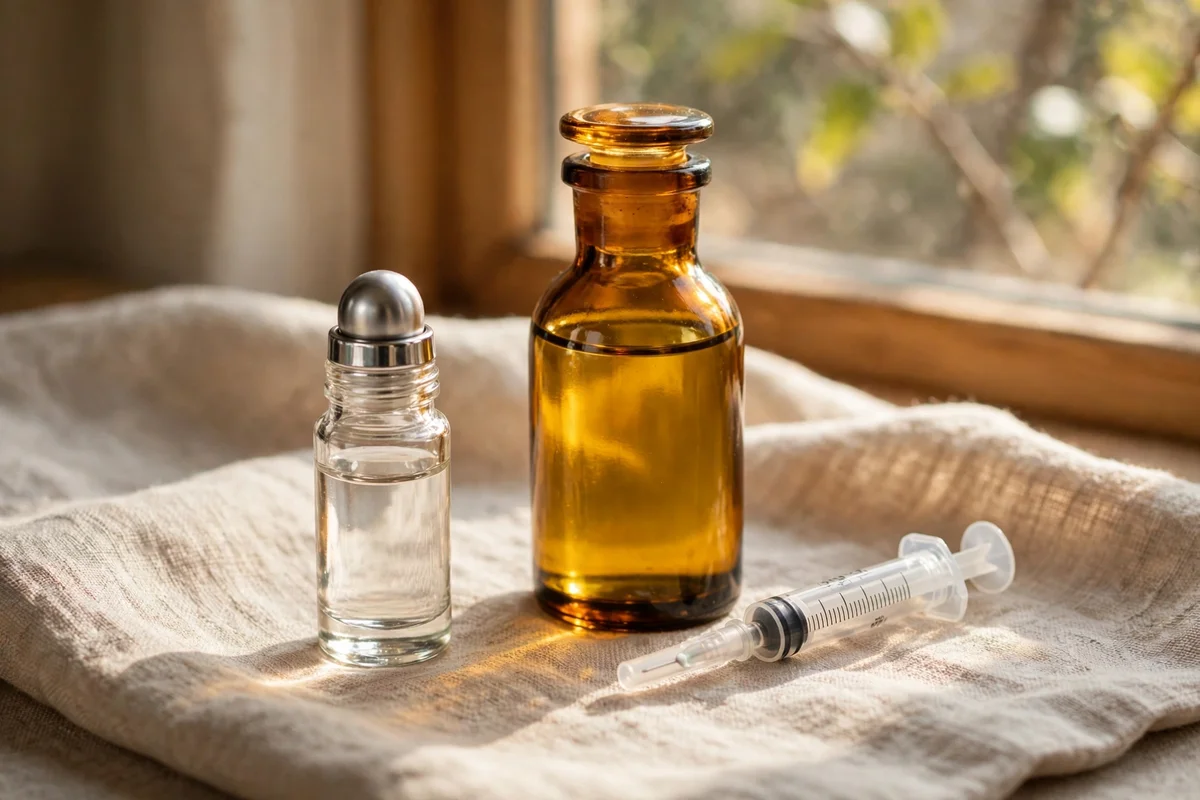
A beginner blend should be simple enough to repeat without notes. Fill a clean 10 ml glass roller bottle with 8 ml of golden jojoba oil and 2 ml of vitamin E oil, then roll the bottle gently between your palms for thirty seconds to combine. Jojoba stays liquid at room temperature and soaks in without a greasy film, which makes it kind to new hands. This plain base teaches you how lip oil should feel before you add tints or scents.
The mistake to avoid is pouring straight from a large bottle without measuring, because guesswork ruins repeatability. Use a small measuring syringe or a marked dropper so your 4 to 1 ratio stays exact every time. Budget tip: one 100 ml bottle of jojoba makes ten full rollers, so the cost lands under one pound or dollar per bottle plus the roller itself. Keep your first blend unscented for a week and note how your lips respond each evening.
2. Blend Sweet Almond and Castor for Overnight Comfort
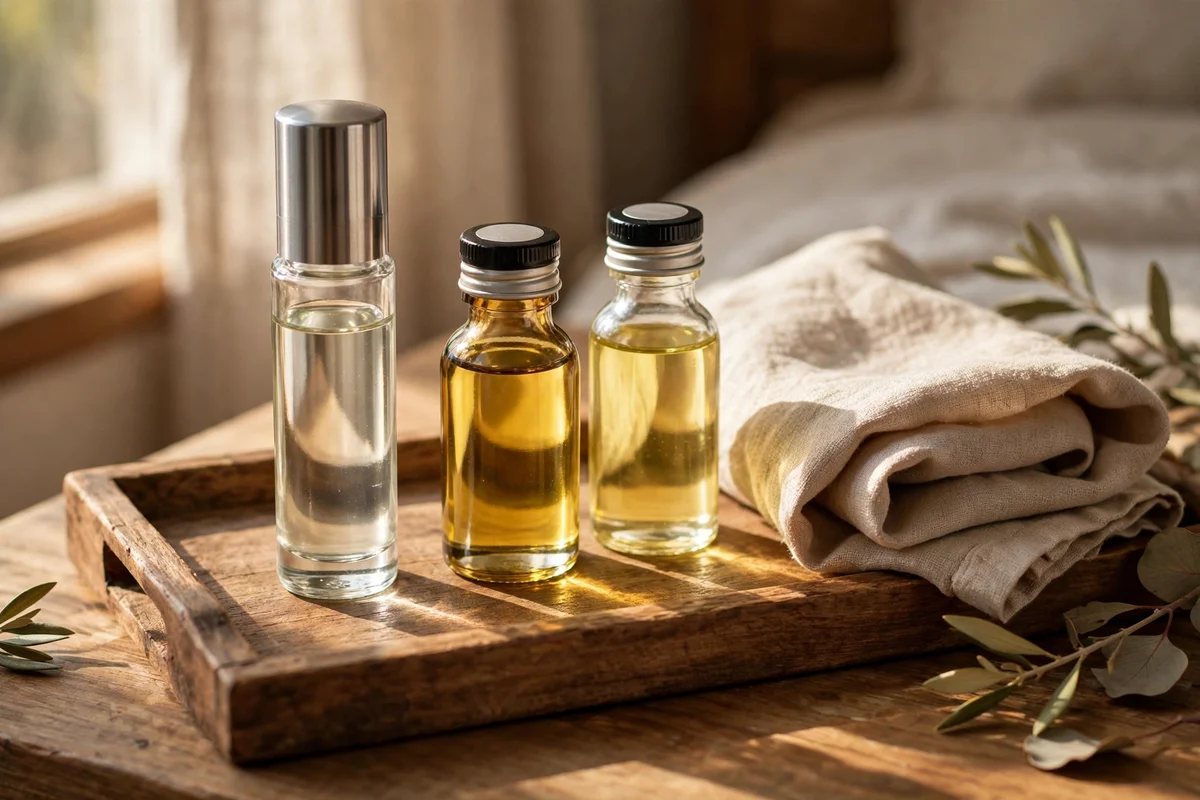
Sweet almond oil feels feather light while castor oil brings a cushioning thickness, so the two together make an ideal night blend. Combine 6 ml of sweet almond oil with 4 ml of castor oil and 5 drops of vitamin E in a 10 ml roller bottle, then warm the sealed bottle between your palms for a minute to marry the oils. Apply a generous layer before bed and let the blend work while you sleep, since still hours give oils time to soften rough patches without disturbance.
The mistake to avoid is applying a heavy layer right before drinking water or tea, since the blend will slide straight off. Give it ten minutes of quiet time first. Budget wise, sweet almond oil is one of the most affordable carrier oils, and a 100 ml bottle lasts for months of nightly use. Keep this roller on your nightstand tray so the habit sticks, and refill it every four weeks for the freshest feel.
3. Stir Beetroot Powder Into a Rosy Everyday Tint
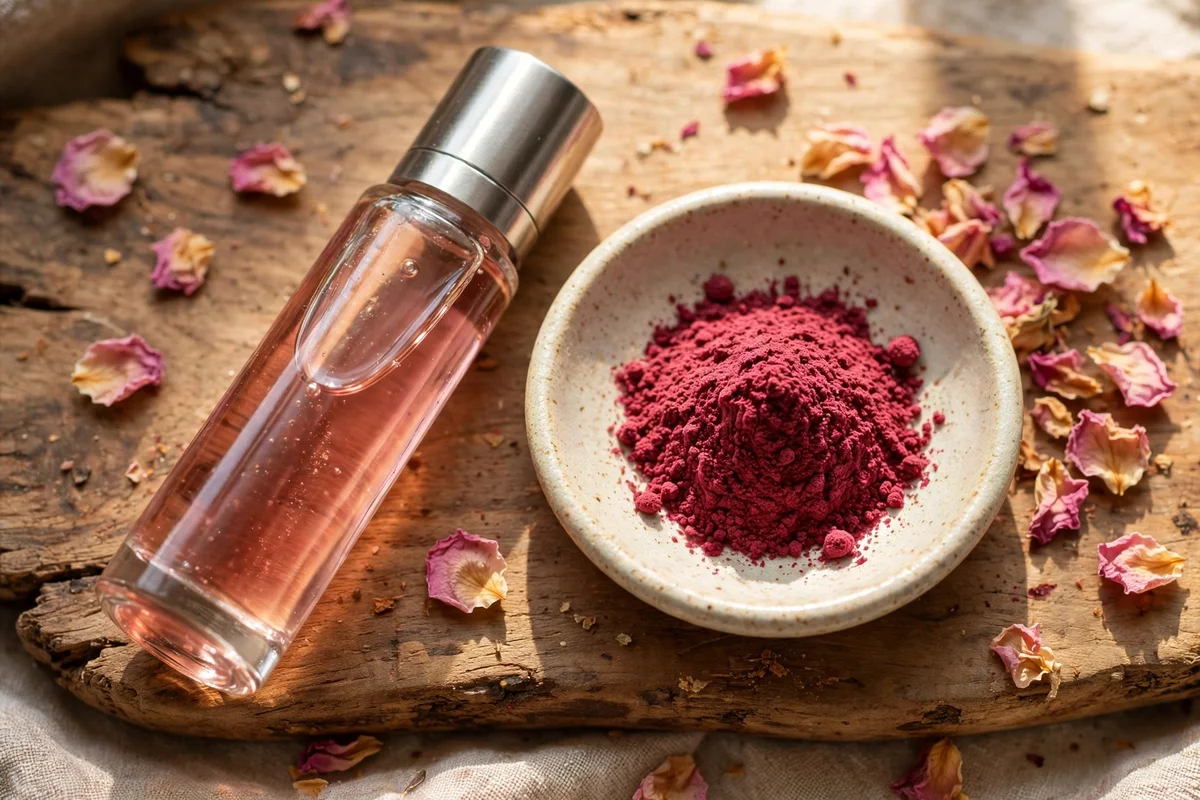
Beetroot powder gives the prettiest rosy flush of any pantry tint, and it asks for almost no skill. Stir one quarter teaspoon of fine beetroot powder into one tablespoon of warm jojoba oil, let it steep for an hour, then strain it through a coffee filter into your 10 ml roller and top up with plain jojoba. The result is a sheer rose colour that deepens with each layer, lovely for daytime errands and family lunches where you want colour without obvious makeup.
The mistake to avoid is shaking coarse powder straight into the finished bottle, which leaves gritty specks on your lips. Always steep and strain first. A 50 g bag of beetroot powder costs very little and tints dozens of rollers, so this is the most budget friendly colour in the whole set. Store the tinted bottle away from sunlight, because natural red pigments fade faster than any other tint when they sit in a bright window.
4. Warm Cocoa Powder Into a Barely There Brown Tint
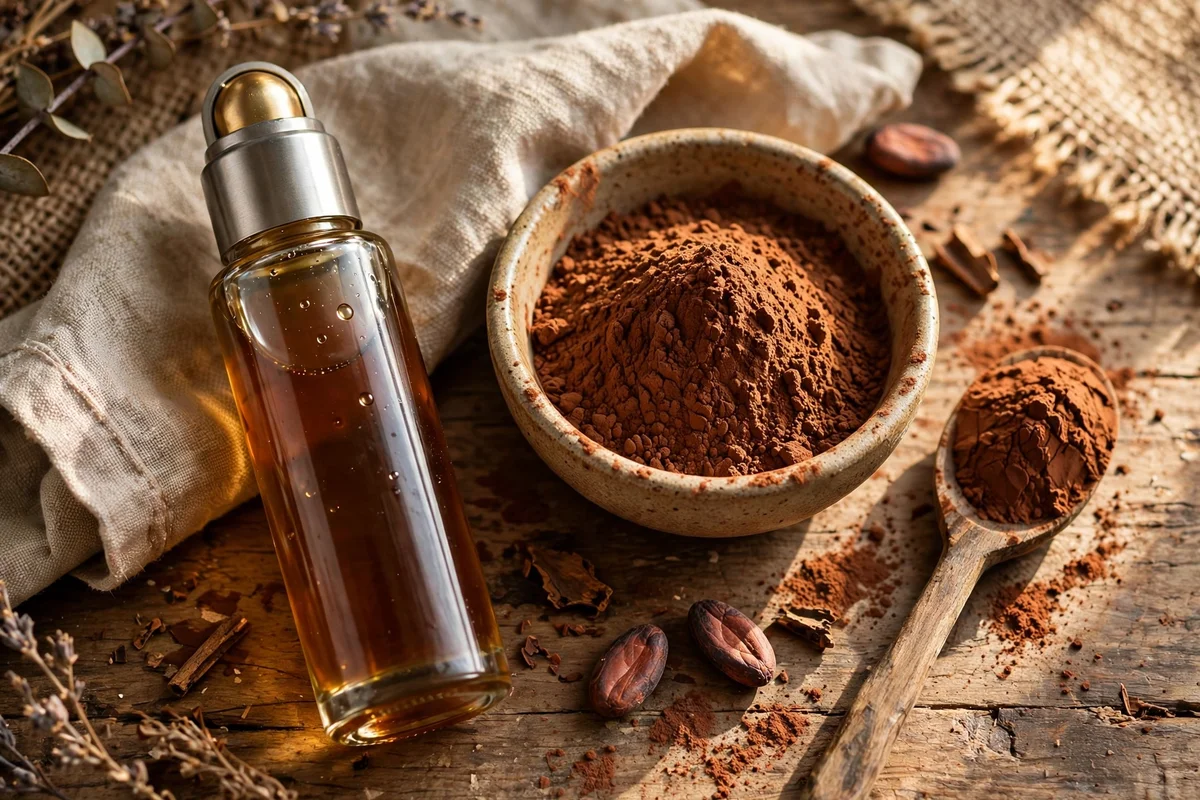
Unsweetened cocoa powder melts into warm oil to make a soft brown tint that flatters every skin tone without looking made up. Whisk half a teaspoon of cocoa into one tablespoon of sweet almond oil warmed in a small bowl over hot water, then strain and funnel into your roller, topping up with jojoba. The faint chocolate scent reads as comfort rather than perfume. This is the blend to reach for on quiet weekends when you want lips that look healthy and gently defined.
The mistake to avoid is using sweetened drinking chocolate, which contains sugar and milk solids that spoil quickly and feel sticky. Buy plain unsweetened cocoa from the baking aisle. Cocoa stains light clothing, so wipe the roller rim after each use and keep a small cloth in your blending tray. One tin of cocoa will tint lip oils for a year or more, making this one of the cheapest ways to add warm colour to your shelf.
5. Infuse Alkanet Root for a Deep Cherry Stain
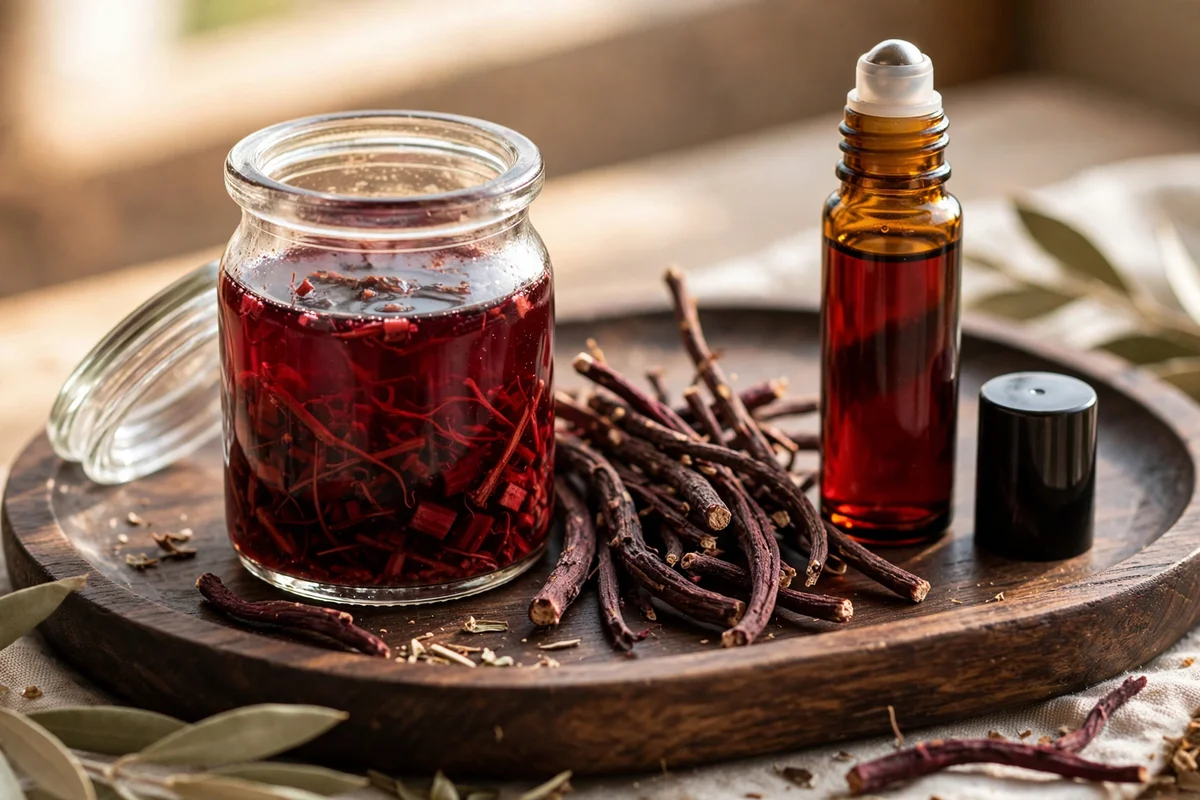
Alkanet root is the classic herbalist trick for a true cherry red that no beetroot can quite reach. Place one teaspoon of dried alkanet root in a small glass jar with 30 ml of jojoba oil, seal it, and leave it in a dark cupboard for three days, shaking once daily. Strain out every speck of root through a fine cloth, then fill your 10 ml roller with the ruby infusion plus a few drops of vitamin E. Two thin layers build a stain that lasts through a long family dinner.
The mistake to avoid is rushing the infusion with direct heat, which can scorch the root and dull the colour to muddy brown. Patience gives the clearest ruby. Alkanet stains fingers and worktops readily, so wear an apron and cover your tray with paper while straining. A 30 g bag of dried root costs little and yields several jars of infusion, so share the extra with a friend who blends, or store the surplus infusion in a labelled amber bottle.
6. Steep Dried Hibiscus Petals for a Cranberry Kiss of Colour
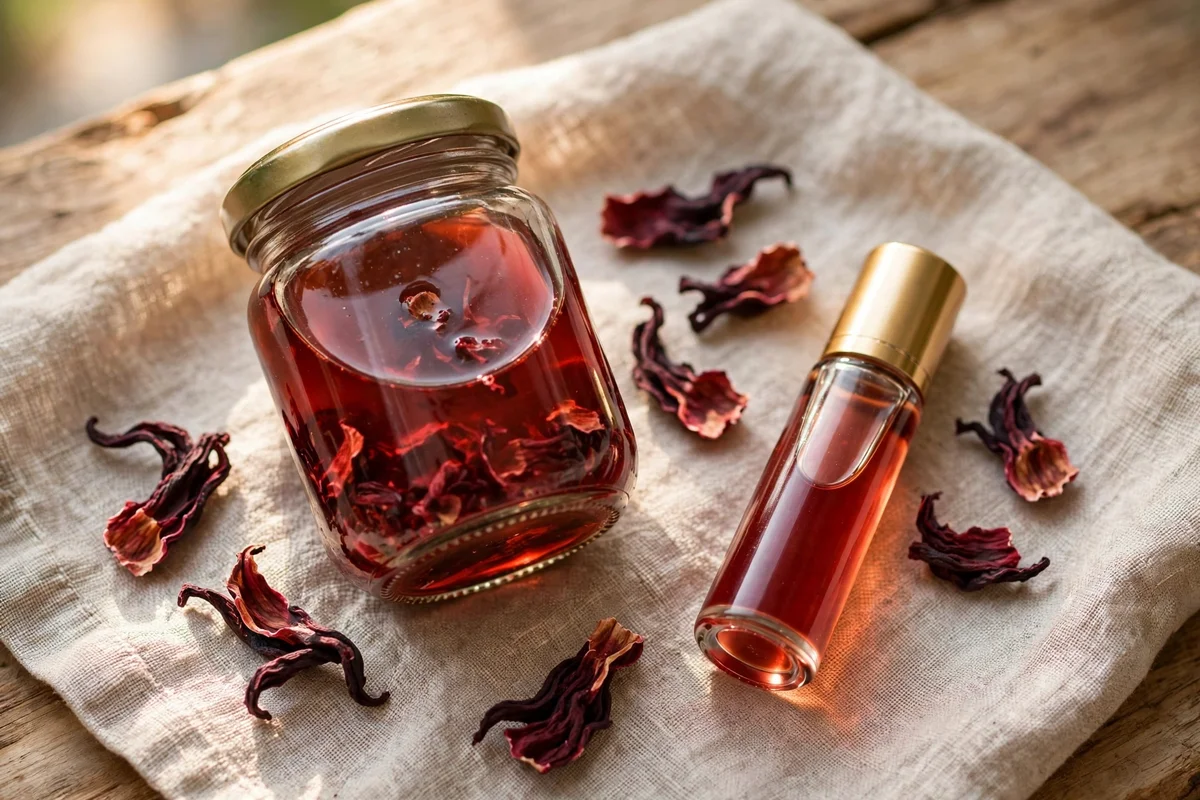
Dried hibiscus petals brew into oils a cranberry tint that feels festive without trying hard. Cover two tablespoons of dried petals with 30 ml of fractionated coconut oil in a small jar, rest it in a dark cupboard for two days, then strain thoroughly through muslin. Funnel the strained oil into your roller and add three drops of vitamin E. The colour reads as a soft berry stain, pretty for autumn gatherings and winter evenings when warm reds feel right.
The mistake to avoid is leaving petal fragments in the bottle, since they swell and can jam the roller ball. Double strain if you are unsure. Food grade dried hibiscus from a tea shop works perfectly and costs little, and one bag flavours many cups of tea besides. Pair this tint with the sweet orange scent in small doses for a bright berry citrus blend, but keep flavouring additions to one drop per bottle so the scent stays gentle.
7. Mix Fractionated Coconut Oil for Sheer Everyday Shine
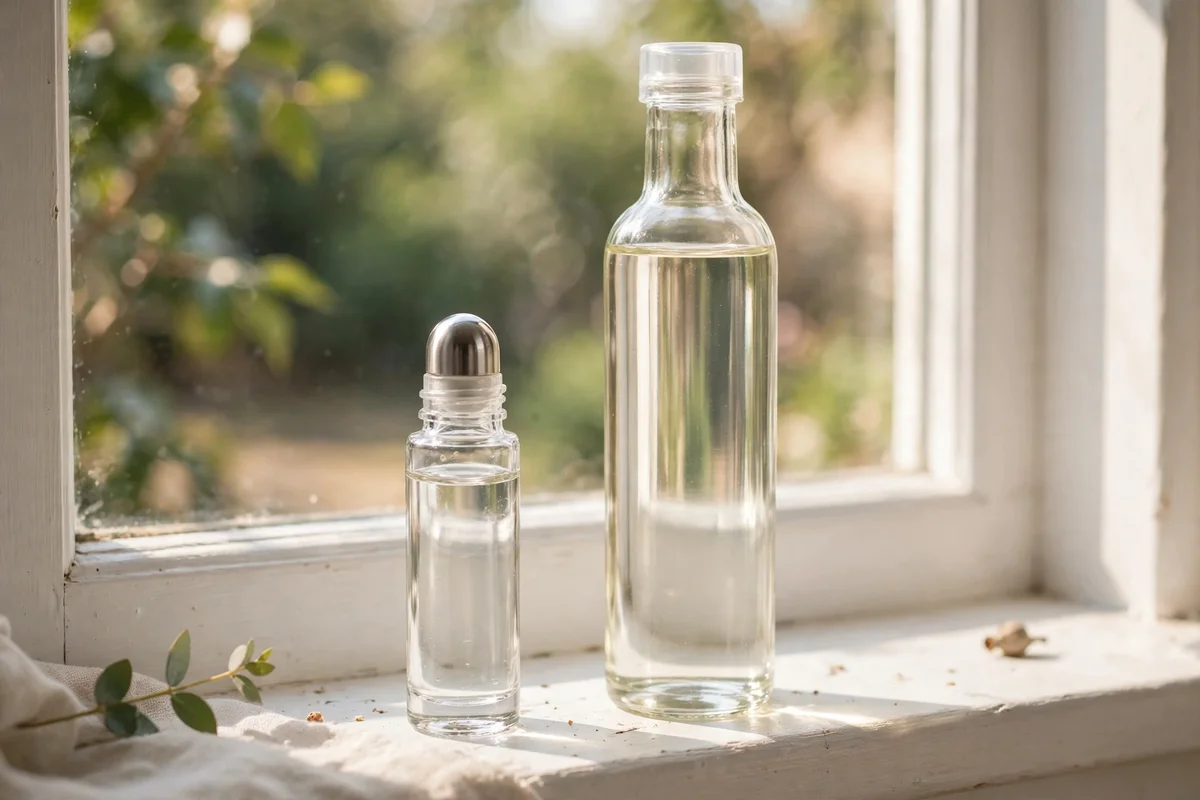
Fractionated coconut oil is the lightest of the five carriers, and it makes a lip oil that feels like almost nothing at all. Fill a 10 ml roller with 9 ml of fractionated coconut oil and 1 ml of vitamin E, then roll between your palms to combine. The finish is sheer and softly glossy, ideal for school runs, market mornings and any day you want comfort without colour or scent. It layers neatly over a tinted blend too, like a clear top coat.
The mistake to avoid is confusing fractionated coconut oil with solid virgin coconut oil, which turns grainy and cloudy in cool rooms. Buy a bottle labelled fractionated or MCT oil and it will stay crystal clear. This blend is the cheapest in the set, and a 100 ml bottle fills about ten rollers. Reapply every two to three hours on windy days, since such a light oil wears off faster than a castor heavy gloss.
8. Add One Drop of Sweet Orange for Gentle Citrus Lift
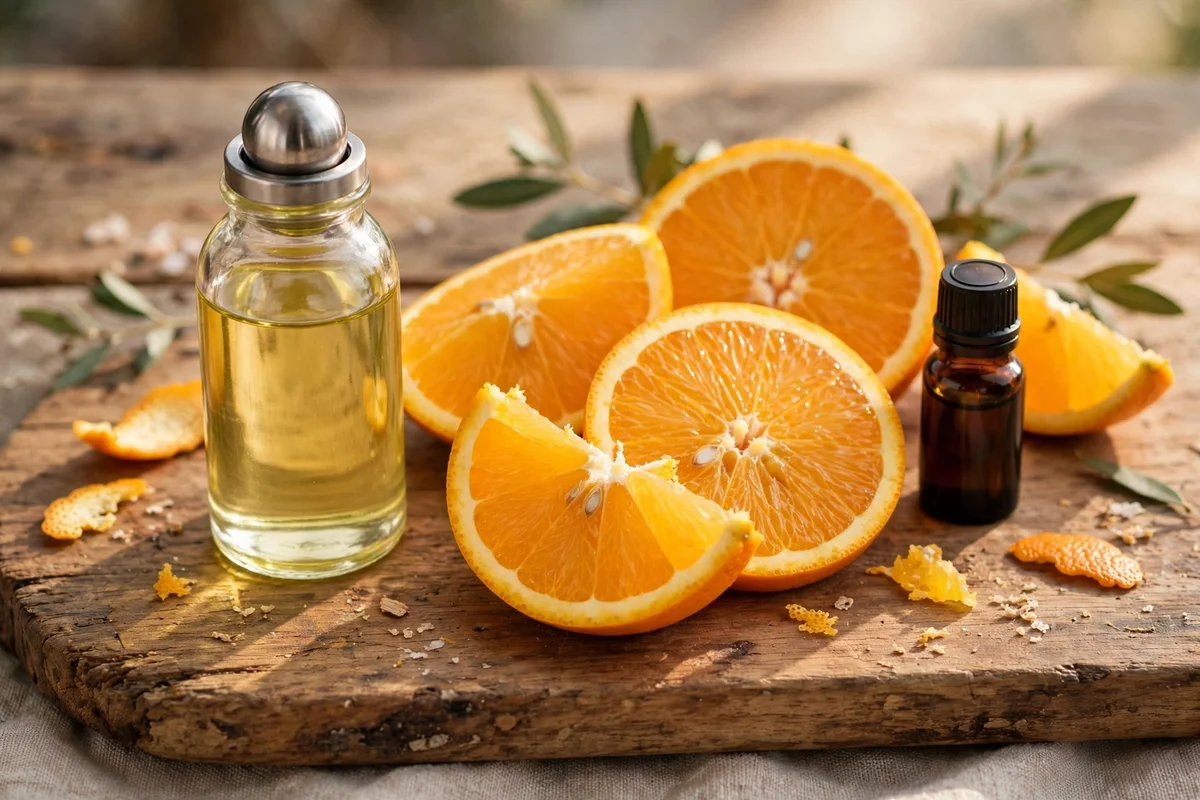
Food grade sweet orange brings a soft citrus brightness that lifts a plain oil without smelling like perfume. To a finished 10 ml blend of jojoba and sweet almond, add exactly one drop of food grade sweet orange oil using a toothpick dipped in the bottle, then roll to combine. One drop is plenty for the whole roller, and the flavour fades gently over an hour. This is a lovely daytime scent for kitchens and sunny rooms where heavy fragrance would feel out of place.
The mistake to avoid is adding two or three drops, which turns gentle into sharp and can irritate delicate lip skin. Citrus flavourings are potent, so measure with care and patch test before a full day of wear. Store sweet orange in its original dark bottle away from heat to keep it fresh, and buy the smallest size available since you will use only a drop at a time. Pair it with the hibiscus tint for a bright berry citrus roller.
9. Scent a Small Batch With Food Grade Vanilla
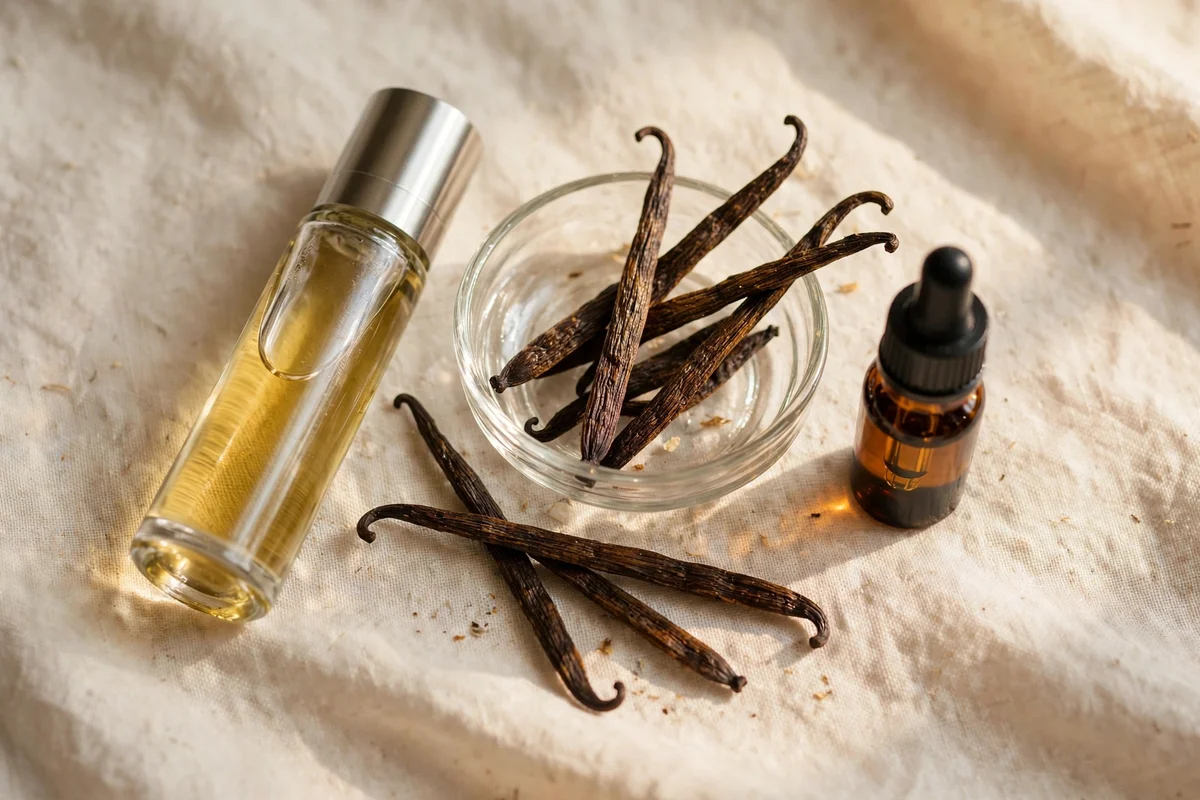
Food grade vanilla gives lip oil a soft bakery warmth that suits cold evenings and quiet weekends. Add two drops of food grade vanilla flavouring to 10 ml of a jojoba and castor blend, then roll the bottle for a full minute so the scent spreads evenly. The result is gentle and familiar, never sharp. Vanilla pairs beautifully with the cocoa tint for a dessert like roller, or with a plain base when you want comfort without colour.
The mistake to avoid is using vanilla extract made with alcohol, which dries delicate lip skin and breaks the gentle spirit of these blends. Read the label and choose a food grade vanilla flavouring with no alcohol listed. Vanilla darkens slightly over time, which is harmless in a tinted blend. Keep this roller for evening use, since sweet scents feel richer after sunset, and store the flavouring bottle tightly closed so it does not evaporate between batches.
10. Raise the Castor Ratio for a Glass Like Gloss
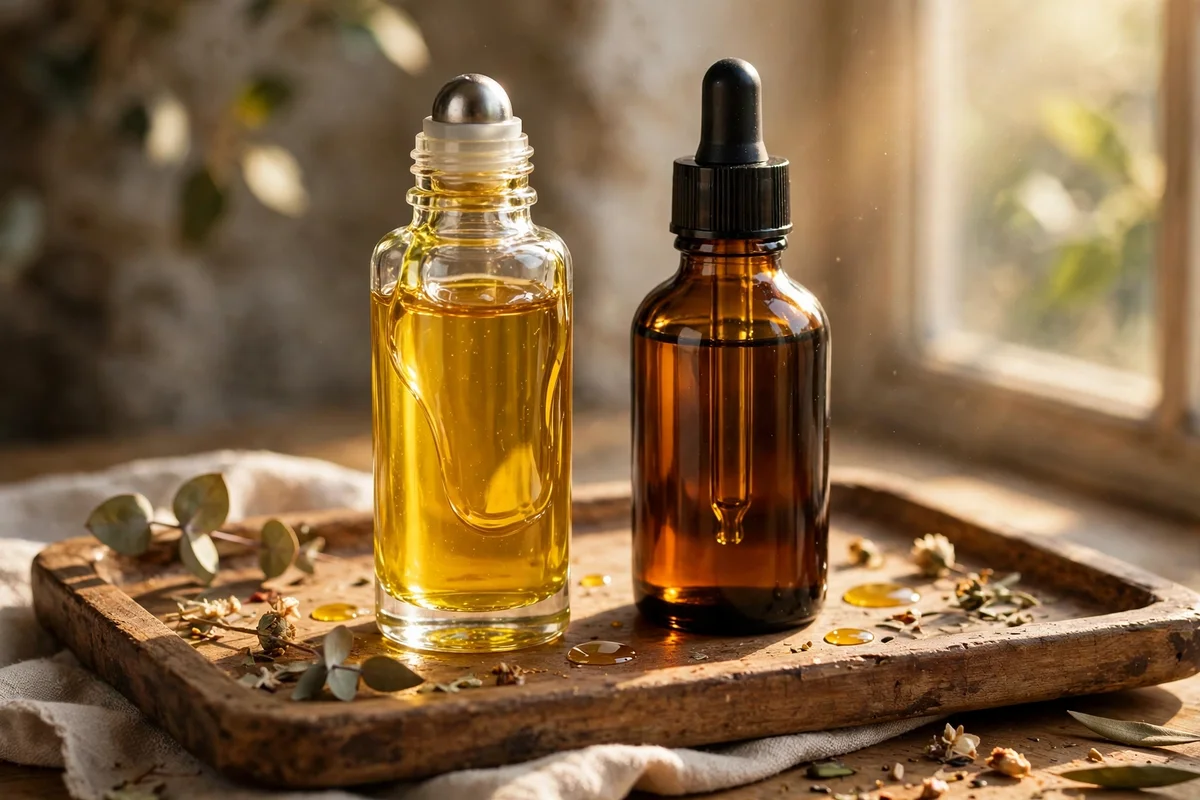
When you want a high shine finish, let castor oil lead the blend. Combine 5 ml of castor oil with 3 ml of jojoba and 2 ml of vitamin E in a 10 ml roller, warming the sealed bottle in your hands so the thick castor loosens and mixes fully. The finish is plush and mirror like, holding its shine for hours without the tackiness of shop bought gloss. This is the roller to carry for family celebrations and evening visits.
The mistake to avoid is filling the bottle with pure castor oil, which feels too heavy and drags on application. The jojoba and vitamin E keep it gliding. Because castor is thick, fill the bottle slowly with a small funnel to avoid air bubbles, and wipe the roller ball after filling so it rolls smoothly from the first use. One 100 ml bottle of castor oil makes many gloss rollers, so the cost per bottle stays delightfully low.
11. Make a Dry Weather Rescue Blend for Windy Days
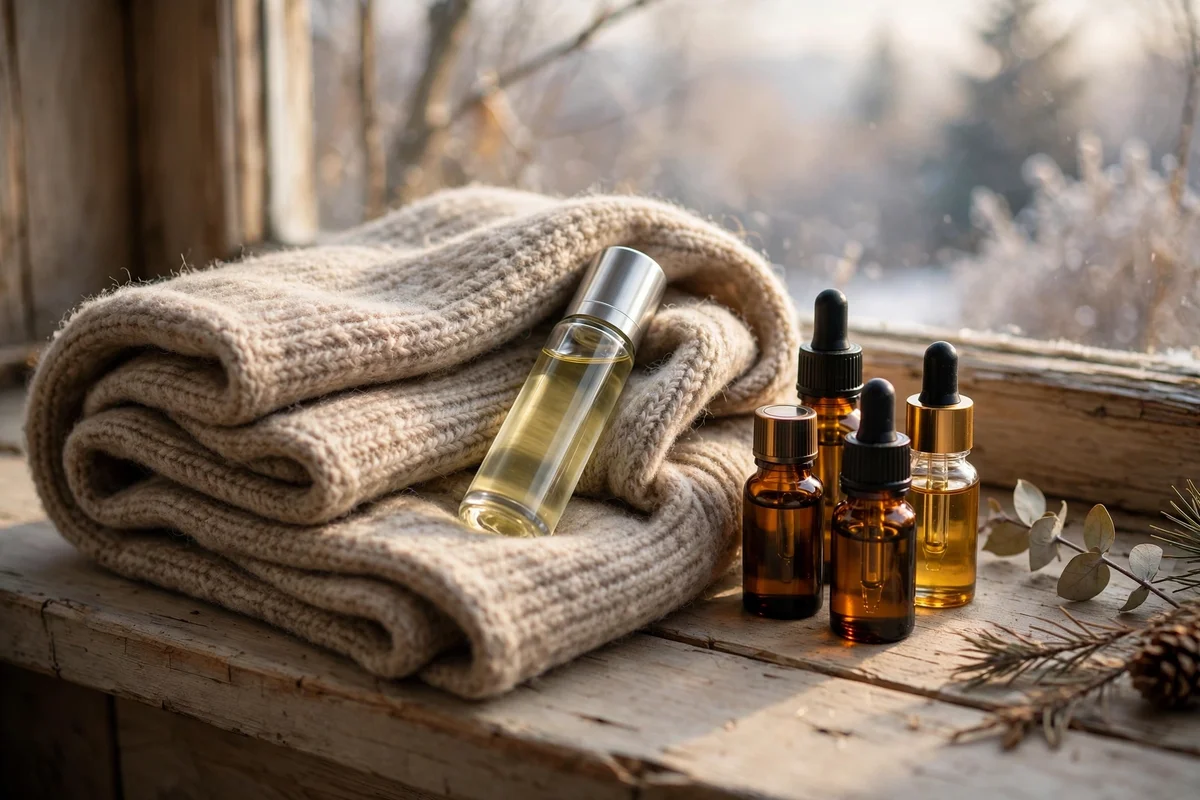
Cold wind strips moisture fast, so winter calls for the richest blend in your collection. Mix 4 ml of castor oil, 3 ml of sweet almond oil, 2 ml of jojoba and 1 ml of vitamin E in a 10 ml roller, giving every oil a job: castor seals, almond softens, jojoba balances and vitamin E protects. Apply before stepping outside and reapply after any hot drink. Keep this roller in your coat pocket from November through March so rescue is always within reach.
The mistake to avoid is licking dry lips before applying oil, since saliva evaporates and leaves lips drier than before. Pat lips dry, then roll the blend straight on. For very rough days, apply a thin layer at night and a second layer in the morning. This four oil blend costs a little more per bottle than simpler mixes, but one roller lasts a full windy month, which keeps the winter budget perfectly sensible.
12. Fortify a Blend With Vitamin E for Fragile Seasons
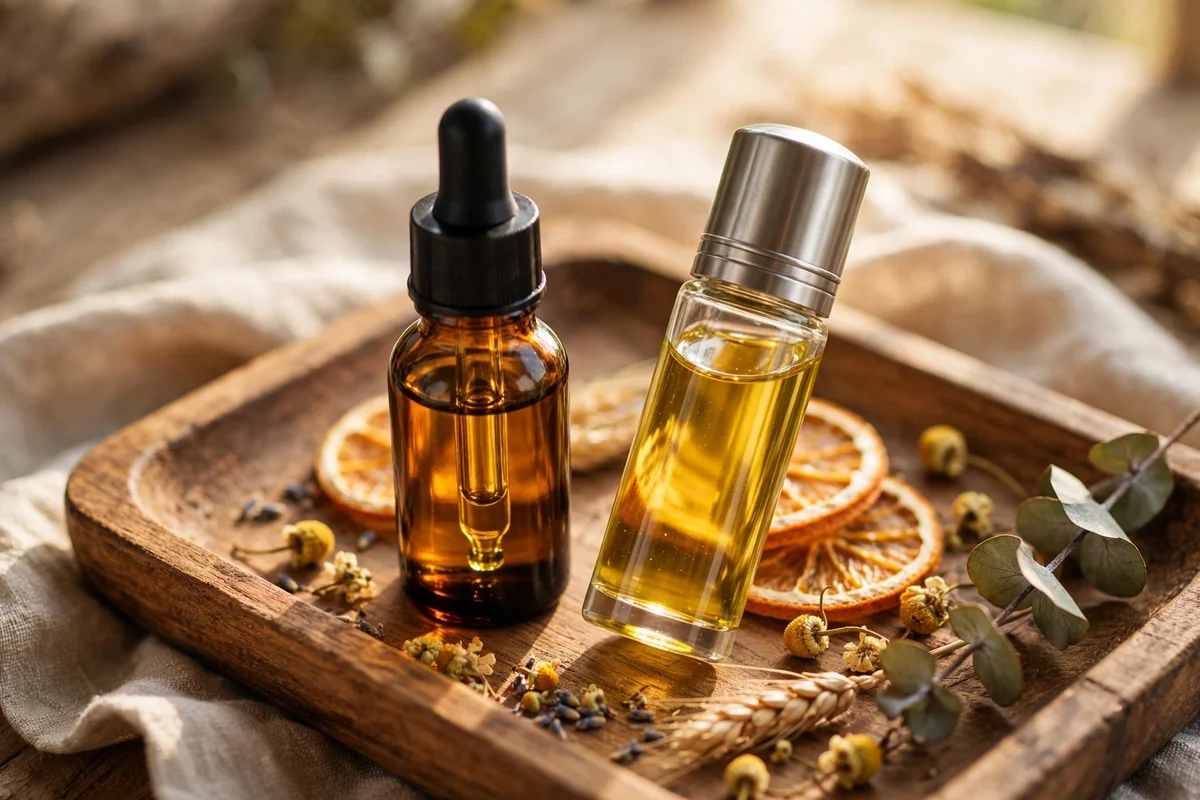
Vitamin E is both a skin loving nutrient and a natural helper that slows an oil blend from turning stale. For fragile seasons, raise it to 2 ml in a 10 ml roller alongside 5 ml of jojoba and 3 ml of sweet almond, which keeps the texture silky rather than sticky. This fortified blend suits the weeks when central heating dries the air and lips chap overnight. Roll it on as the last step before bed and let it work undisturbed.
The mistake to avoid is squeezing vitamin E from supplement capsules, which can contain gelatin and other additives you do not want near your lips. Buy pure vitamin E oil sold for cosmetic use. It is thicker than the other carriers, so warm the bottle in your palms before each use in cold weather. This blend keeps well for six weeks in a cool dark drawer, a little longer than simpler mixes, thanks to the higher vitamin E share.
13. Keep an Unscented Plain Blend for Sensitive Times
Some weeks your lips want nothing extra at all, no scent, no tint, no flavour. For those times, blend 7 ml of jojoba with 3 ml of fractionated coconut oil and nothing else, not even vitamin E if your skin is feeling reactive. This is the gentlest roller on your shelf, and it doubles as a plain base for testing: try any new carrier oil in this simple form for three days before adding it to a fancier blend.
The mistake to avoid is assuming a plain blend needs no label, then confusing it with a tinted one in a hurry. Mark every bottle, even the simple ones, with its contents and date. Because this blend has only two oils, it shows you exactly how each carrier feels on its own, which teaches you more than any article can. Keep it by the kettle or on your desk for easy daytime reapplication.
14. Pair Jojoba and Sweet Almond for a Balanced Daily Oil
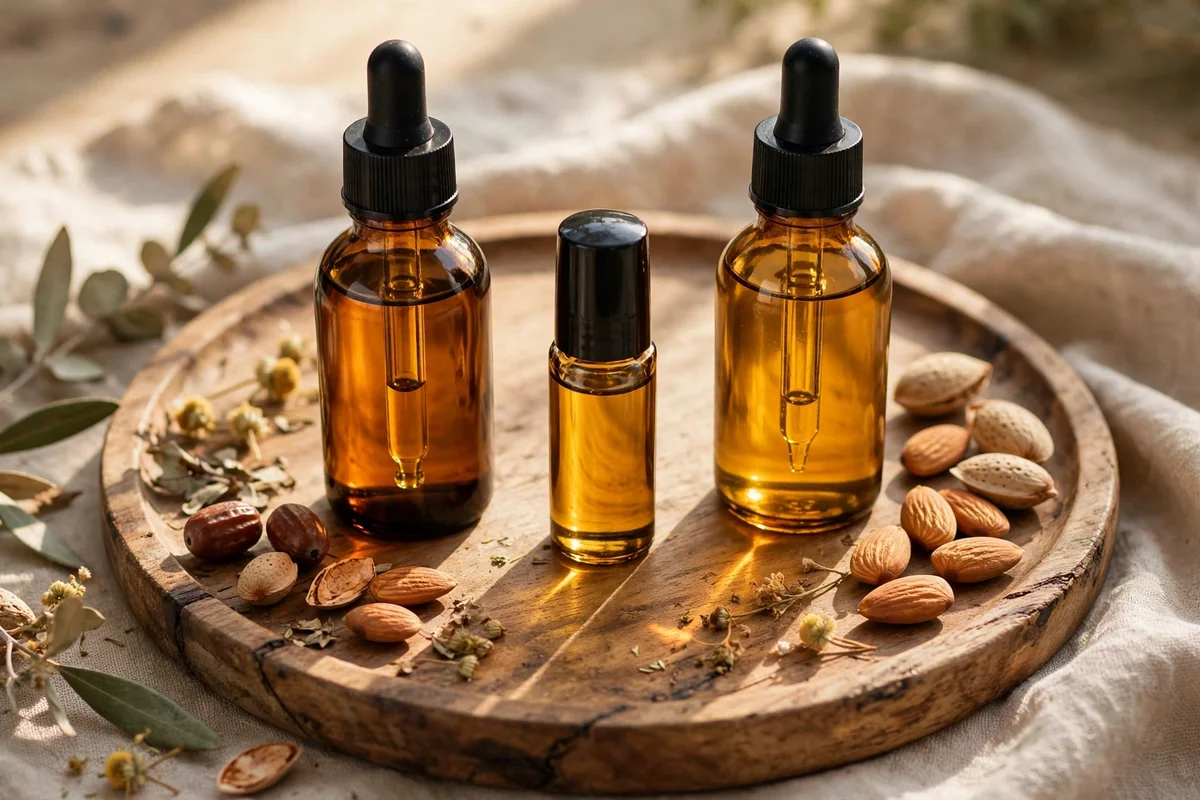
If you could keep only one lip oil, this balanced pair would be the keeper. Mix 5 ml of jojoba with 5 ml of sweet almond oil and eight drops of vitamin E in a 10 ml roller for a blend that is neither too light nor too rich. It wears comfortably for hours, suits every season, and accepts any tint or scent you add later. Many blenders settle on this exact ratio as their house blend and simply vary the colour with the calendar.
The mistake to avoid is buying huge bottles of both oils before you know you love the ratio. Start with 30 ml bottles, finish two or three rollers, then invest in larger sizes once the blend proves itself. Sweet almond oil suits most people, but anyone with a nut sensitivity should choose jojoba with fractionated coconut instead. This blend makes a thoughtful handmade gift when paired with a handwritten label and a small cotton pouch.
15. Layer Hibiscus and Beetroot for a Double Tinted Blend
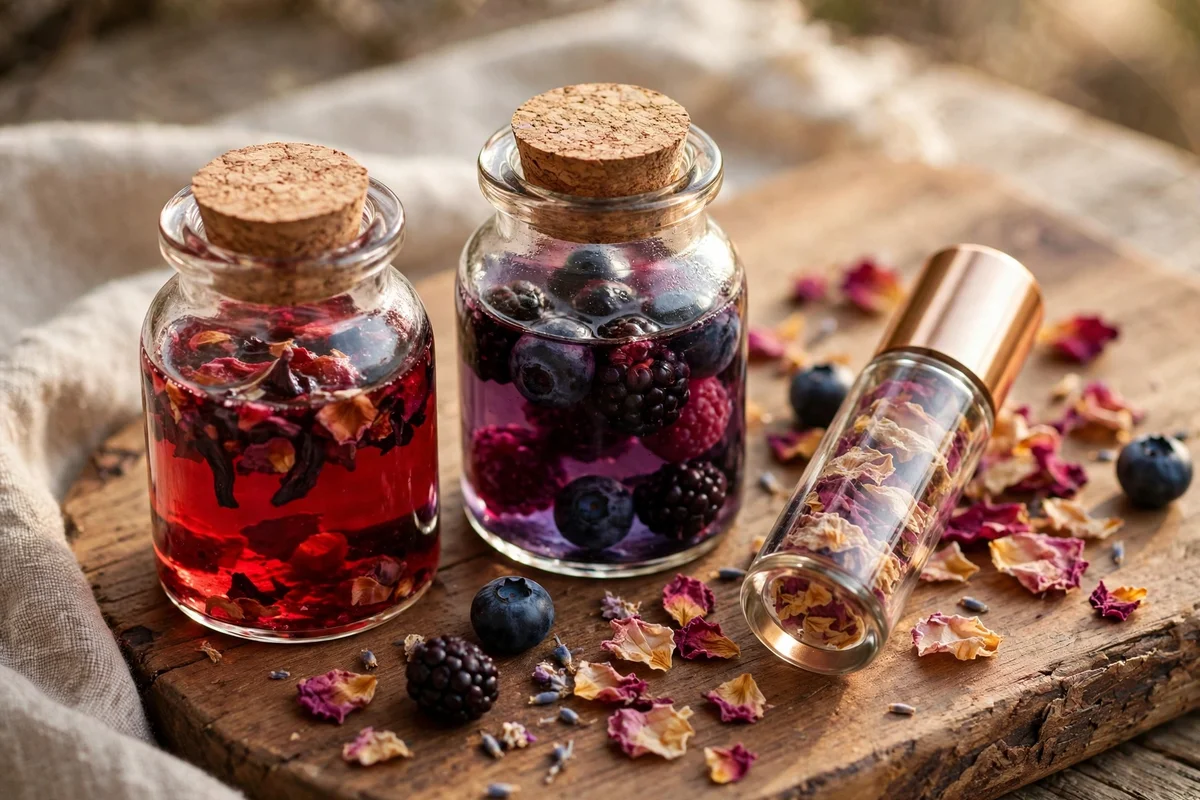
Two natural reds together make a berry rose with real depth. Prepare a beetroot infusion and a hibiscus infusion separately, each strained until completely clear, then combine 5 ml of each in a 10 ml roller with five drops of vitamin E. The beetroot brings brightness while the hibiscus adds a dusky berry undertone. Wear one layer for a soft daytime flush or three layers for an evening berry that looks rich without any synthetic dye.
The mistake to avoid is mixing the raw powders together before infusing, which makes straining twice as hard and muddies the colour. Infuse separately, strain separately, then blend the clear oils. Because this roller carries two plant pigments, keep it in the darkest corner of your drawer to slow fading. It makes a lovely gift for a sister or friend, tucked into a small box with a sprig of dried lavender on top.
16. Fill a Mini Roller for Pockets and Small Bags
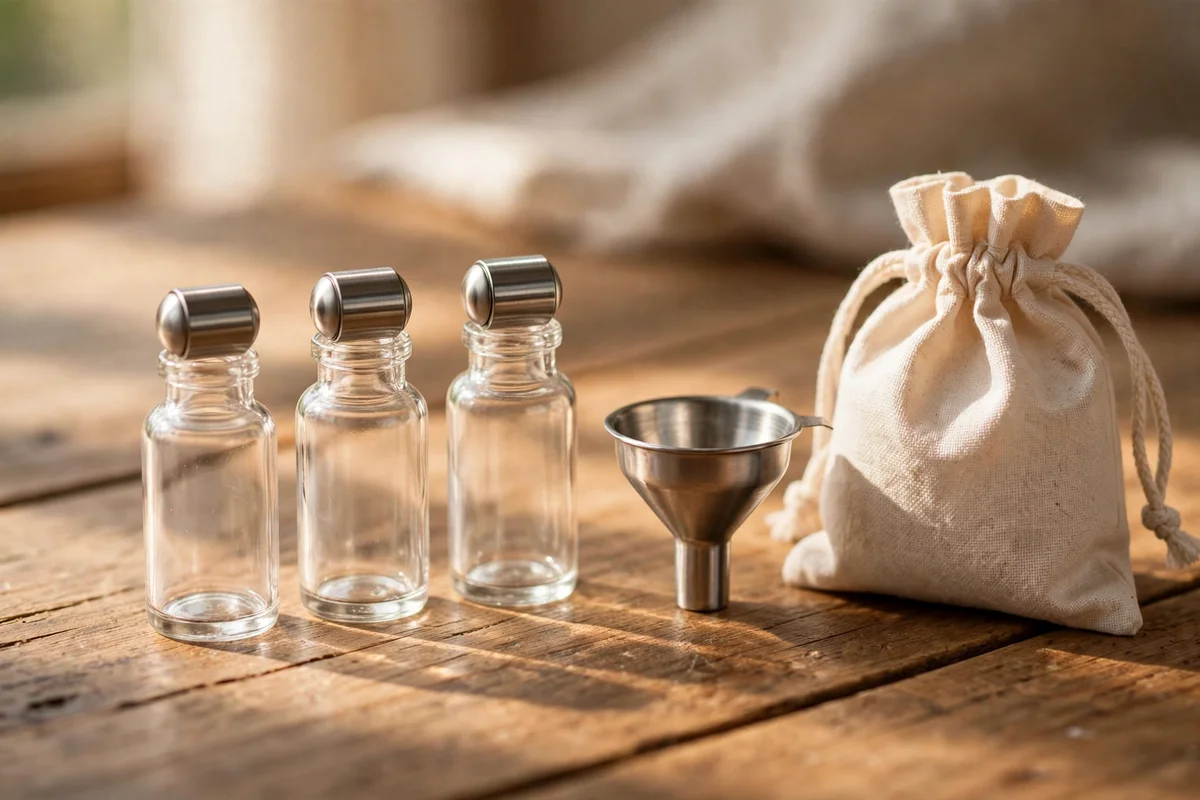
A full size roller is lovely at home, but a 5 ml mini bottle earns its place in every pocket and small evening bag. Halve any favourite blend, for example 2.5 ml jojoba, 1.5 ml sweet almond and 1 ml castor with four drops of vitamin E, and funnel it carefully into the tiny bottle. Minis are perfect for tinted blends you reapply often, since you finish them quickly and the colour always stays fresh.
The mistake to avoid is overfilling the mini, because the roller ball needs a little air space to seat properly and roll smoothly. Fill to about ninety percent and test the roll on the back of your wrist first. Mini bottles cost little in multipacks, and sharing a set with family means everyone gets their own shade. Label minis extra clearly, since several tiny bottles in one bag all look alike at a glance.
17. Mix a Cocoa and Vanilla Blend for a Cosy Evening Tint
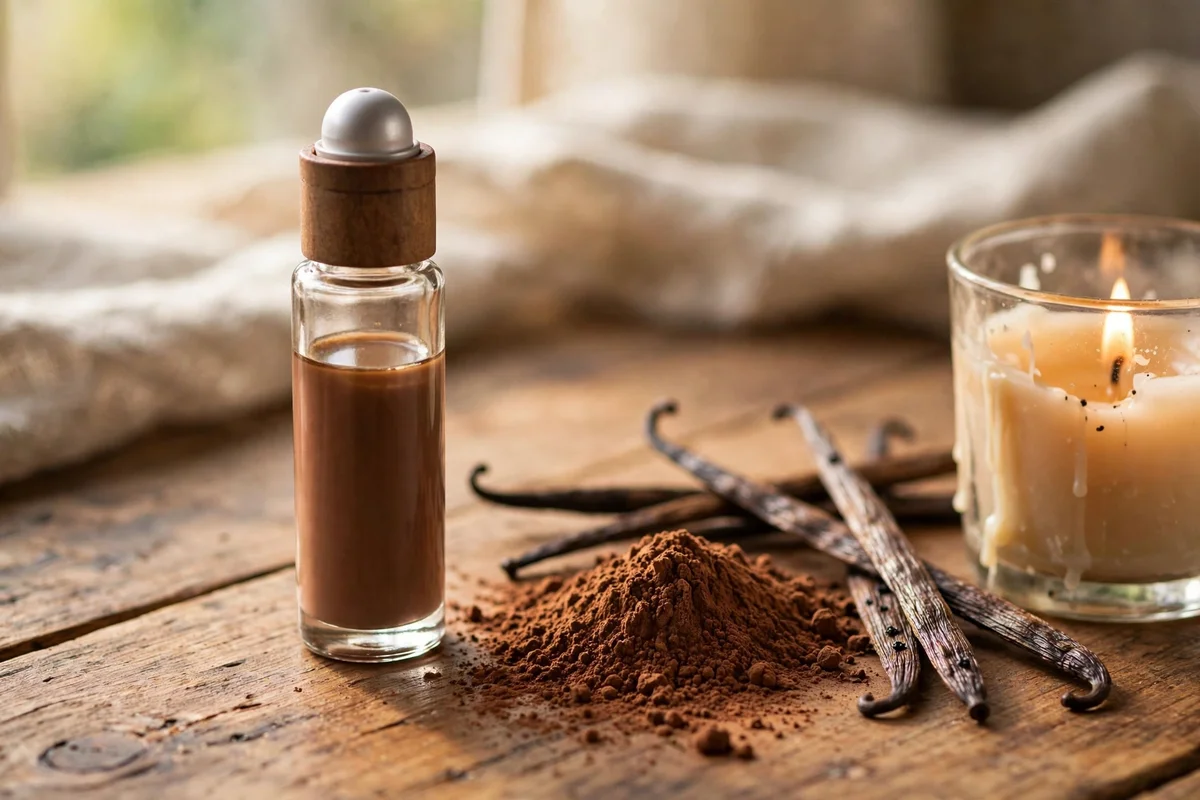
Cocoa tint and vanilla scent were made for each other, like a warm drink you can wear. Stir half a teaspoon of unsweetened cocoa into a tablespoon of warm sweet almond oil, strain it clear, then build a 10 ml roller with 5 ml of the cocoa infusion, 3 ml of jojoba, 1 ml of castor and 1 ml of vitamin E. Add two drops of food grade vanilla and roll to combine. The result is a soft mocha tint with a gentle bakery warmth, perfect for quiet evenings at home.
The mistake to avoid is adding the vanilla before the cocoa is fully strained, because flavouring can carry fine cocoa dust back into suspension. Strain first, then scent. This blend darkens a touch as it ages, which only deepens the cosy effect. Keep it as your evening roller and choose a lighter tint for daytime, so your small collection covers the whole day the way a wardrobe covers the seasons.
18. Sterilise and Air Dry Every Roller Bottle Before Filling
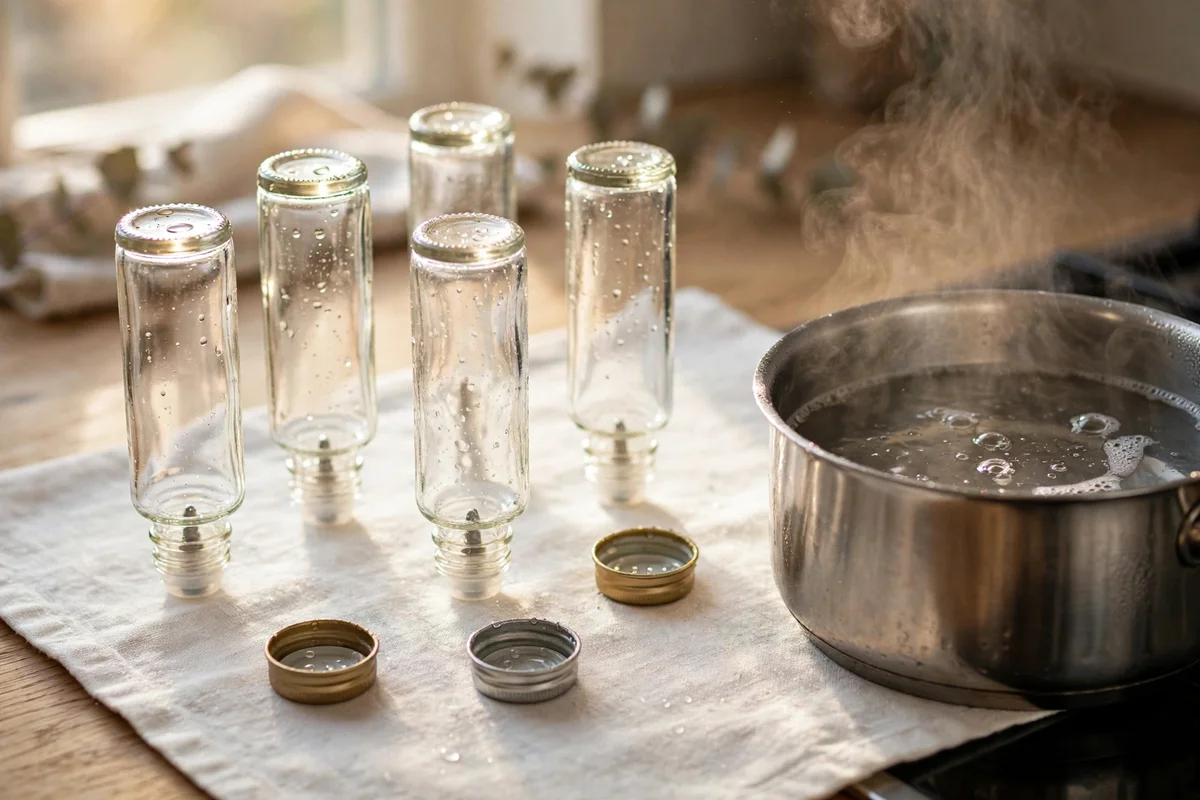
Clean bottles are the foundation every safe blend stands on, so treat sterilising as part of the recipe, not an optional extra. Wash each glass bottle, roller ball and cap in hot soapy water, rinse until the water runs clear, then simmer the glass parts in gently boiling water for ten minutes. Lift them out with clean tongs and set every piece on a fresh cloth to air dry fully, because even a drop of trapped water shortens a blend’s fresh life.
The mistake to avoid is towel drying the insides, which can leave lint and fresh germs right where your oil will sit. Air drying is slower but far cleaner. Never use rubbing alcohol or other alcohol based cleaners on bottles meant for lips, since residue can dry delicate skin. Once dry, fill bottles the same day so dust has no time to settle, and store spare empty rollers in a sealed bag until you need them.
19. Patch Test Every New Blend for Three Full Days
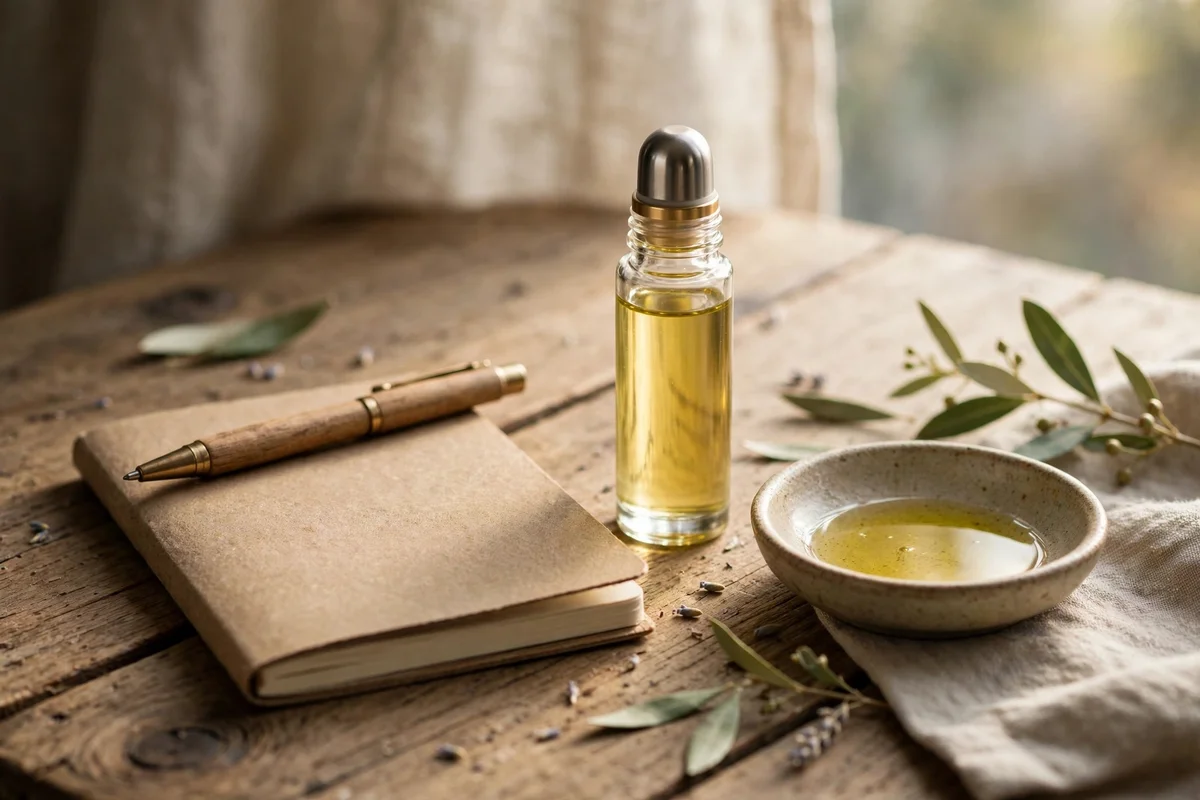
Even the gentlest plant oils can surprise sensitive skin, so a short patch test belongs in every blending routine. Dab a small amount of each new blend on the inside of your wrist, then wait and watch for three full days before wearing it on your lips. Note any redness, itching or tightness each evening in a small notebook. This is especially important for tinted blends and any recipe with sweet orange, since flavourings and pigments are the most likely triggers.
The mistake to avoid is testing on the lips first because you are eager to see the colour. Patience here prevents a week of discomfort. If a blend passes the wrist test, try a single thin layer on the lips for one evening before committing to daily wear. Keep notes on which oils and tints suit you best, and you will soon have a personal shortlist of favourites that never cause trouble.
20. Label With the Date and Store Bottles Cool and Dark
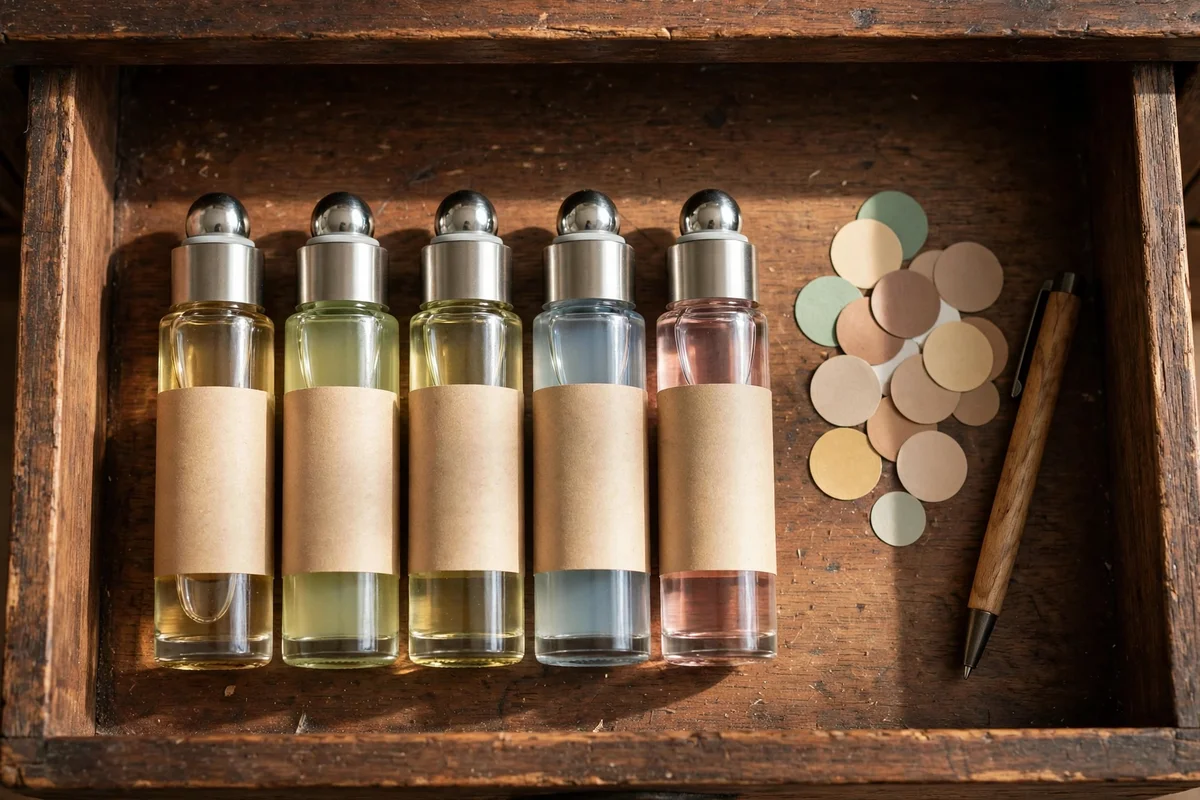
A tiny label turns guesswork into confidence. Write the blend name, the main oils and the mixing date on a small sticker for every bottle, then store finished rollers in a cool dark drawer or a closed box away from windows and radiators. Heat and sunlight break down plant oils and fade natural tints, so a bathroom shelf in direct sun is the worst possible home. Most blends stay at their best for four to six weeks when stored this way.
The mistake to avoid is keeping a much loved roller in a warm handbag for weeks on end, since body heat and car heat age oils quickly. Take a mini for the bag and leave the main bottle in its cool drawer. When a blend smells sharp, looks cloudy or changes colour unexpectedly, thank it for its service and mix a fresh one. Small 10 ml batches make this refresh cycle painless, since you rarely lose more than a spoonful of oil.
21. Set Up a Tidy Blending Corner With Trays and Labels
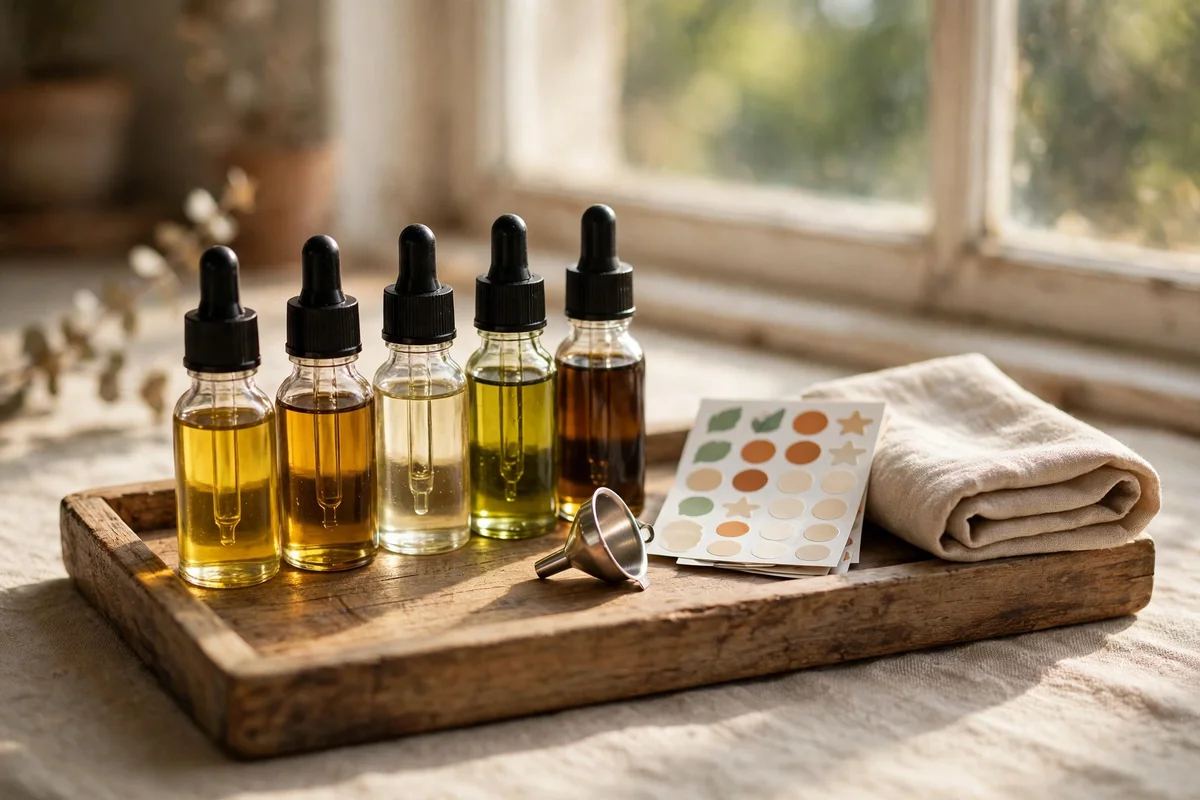
A dedicated corner makes blending feel like a calm ritual instead of a cluttered chore. Choose a small tray, about 30 by 20 cm, to hold your five carrier oils, tints, flavourings, a mini funnel, stickers and a pen. Keep a folded cloth on the tray to catch drips, since alkanet and beetroot stain in seconds. Work near a window for good light but store everything back in a cupboard afterwards, away from heat and sun.
The mistake to avoid is blending straight on a bare table, where one knocked bottle of alkanet infusion can ruin a tablecloth. The tray contains every spill. Wipe bottle necks after each pour so caps seal cleanly, and wash the funnel and cloth after every session. This little station costs almost nothing to set up, yet it keeps your oils organised, your blends consistent and your kitchen looking serene rather than chaotic.
These twenty one blends share one philosophy: a handful of honest plant oils, colours borrowed from the pantry, and the small rewarding disciplines of clean bottles, quick notes and cool dark storage. The result is lip care that feels wonderfully silky without heaviness and looks naturally tinted without any drama.
This week, try the bare jojoba starter in a fresh 10 ml roller bottle and wear it for three evenings. If your lips feel calmer by the weekend, mix a tinted batch next, and you will have a little row of glass bottles that look as lovely as they feel.
Frequently Asked Questions
How long does a homemade lip oil last once mixed?
Most small batches stay fresh for four to six weeks when you use clean tools and store the bottle in a cool dark place. Vitamin E at five to ten percent of the blend helps slow rancidity, and making 10 ml at a time means you usually finish a bottle before it ages. If the oil smells sharp, looks cloudy or tints strangely, discard it and mix a fresh batch.
Which carrier oil gives the glossiest finish?
Castor oil gives the thickest, most glass like shine because of its naturally viscous texture. A blend with half castor oil and half jojoba or sweet almond wears like a gloss without stickiness from synthetic polymers. Use castor at thirty to fifty percent for daytime gloss, and keep a mostly jojoba blend for overnight comfort when you do not want residue on your pillow.
How do I sterilise a glass roller bottle without alcohol?
Wash the bottle and roller ball in hot soapy water, rinse well, then place the glass parts in simmering water for ten minutes. Lift them out with clean tongs and let every part air dry completely on a clean cloth before filling. Never seal a damp bottle, because trapped moisture shortens shelf life. This heat method is gentle, free and needs nothing you do not already own.
Can I use fresh beetroot juice instead of beetroot powder?
Powder is the safer choice for a lip oil that keeps. Fresh juice adds water, and water in an oil blend invites bacteria and shortens shelf life to days. A quarter teaspoon of beetroot powder per 10 ml roller gives a reliable rosy tint with no water at all. If you want juice colour for a one time use, apply it first, let it dry, then seal it with your oil.
Why does my tinted lip oil look grainy?
Graininess usually means a powder tint did not dissolve fully into the oil. Stir the tint into a spoonful of warm jojoba first, let it sit for an hour, then strain it through a small fine mesh tea strainer or a coffee filter before adding it to the full blend. Cocoa and beetroot powder both benefit from this step. A second mistake is using too much tint; a little goes much further than you expect.