Home Improvement
22 Natural Mosquito Control Ideas That Keep Your Yard Peaceful All Summer
By Anna Wells · · 24 min read

Mosquitoes need only a bottle cap of water to breed, but a calm weekly routine beats any spray. These 22 natural ideas start with eliminating breeding water, then improve the yard and protect your evenings outside. Enjoy a peaceful summer, naturally.
Few things ruin a summer evening faster than mosquitoes. You can have the patio swept, dinner ready, and the garden glowing in golden light, only to spend the whole meal swatting at your ankles. The frustrating part is that mosquitoes do not need a swampy yard to thrive. A bottle cap of standing water can be enough for them to breed.
The natural approach that actually works starts with three questions: where is water collecting, where are adult mosquitoes resting, and how can I make our gathering spots less inviting to them? That mindset beats any miracle plant or homemade spray. Some situations still call for a registered repellent or professional help, especially where mosquito borne illness is a concern, but everyday yard habits handle most of the problem.
Below are twenty two practical ideas ordered the way they work best, beginning with eliminating breeding water, then improving the yard itself, and finally protecting the moments you spend outside. Each one is natural, budget friendly, and safe for a family garden, so you can enjoy long, peaceful evenings again.
1. The Full Yard Water Hunt After Rain
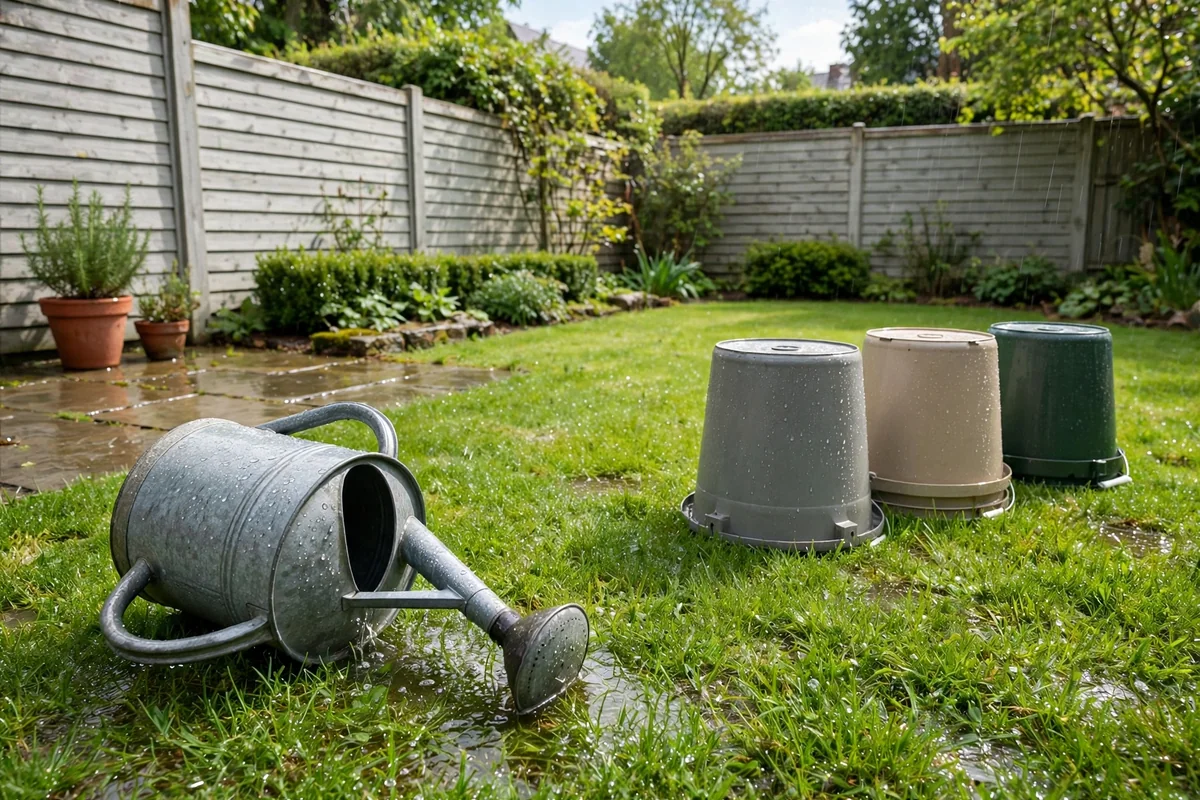
Start with a slow walk around the entire property after a good rain, eyes open for anything holding water. Check buckets, watering cans, wheelbarrows, empty flowerpots, tarps, storage bin lids, garden carts, and watering trays. You will be amazed how many small reservoirs appear in an otherwise tidy yard, each one a potential mosquito nursery hiding in plain sight.
Dump every container completely, then change how it is stored so the job does not repeat weekly. Turn buckets upside down, tip wheelbarrows so rain drains away, and move empty pots into the shed. Think of this as fixing the cause rather than endlessly emptying the symptom. One thorough hunt after each storm prevents weeks of biting misery later.
2. Emptying Every Plant Saucer
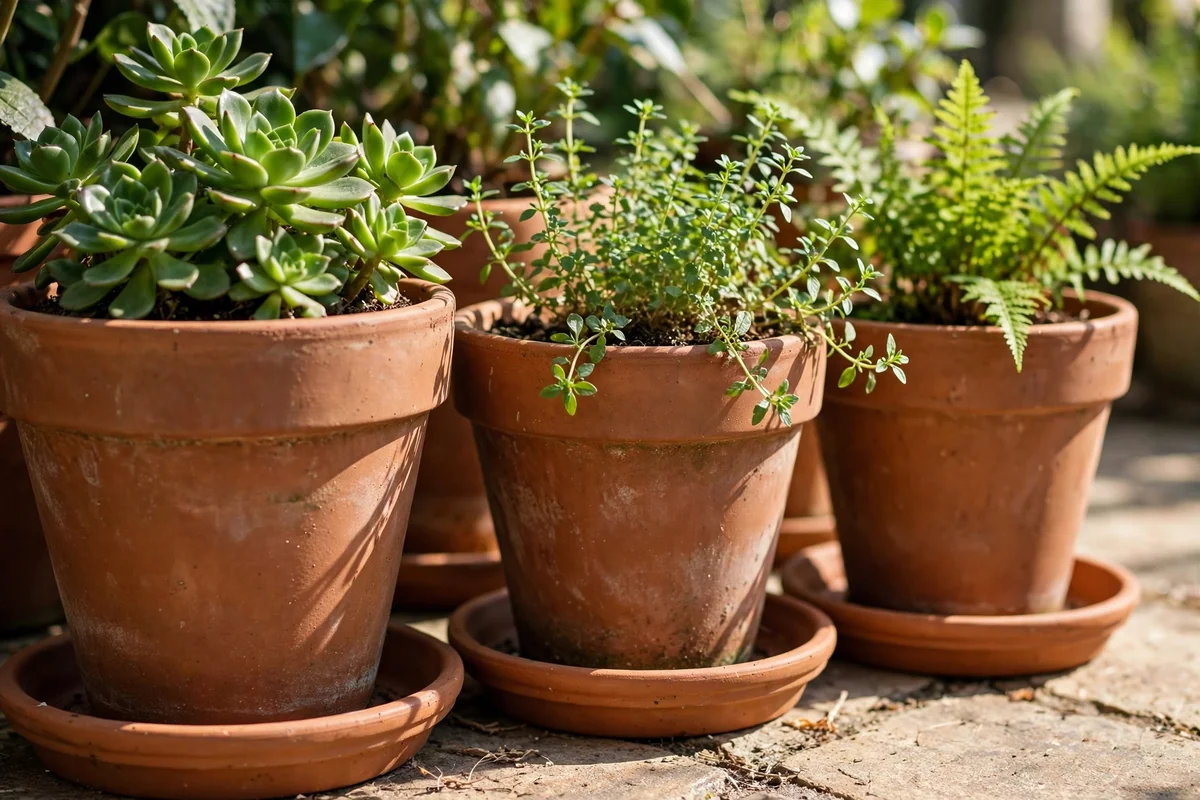
Plant saucers are easy to overlook because they belong in the garden and never look like rubbish. Yet a saucer that constantly holds a shallow pool of water is exactly the kind of undisturbed container mosquitoes love. Make it a habit to check beneath pots whenever you water, tipping out any standing water you find.
If a saucer is not truly necessary, remove it altogether. When a plant genuinely needs one, never let water sit there for days on end. This is also a good reminder not to overwater container plants, since soggy soil stresses roots as well. The goal is not a bone dry garden, only the end of little stagnant pools you never intended to keep.
3. Keeping the Birdbath Fresh and Clean

You do not need to give up the birdbath to control mosquitoes; you only need to manage it well. Replace the water every two to three days and give the basin a quick scrub so it never becomes a forgotten stagnant pool. Fresh water is far more inviting for visiting birds, and the routine takes barely a minute.
Attach the birdbath check to another habit so it never slips your mind. When you water the containers or sweep the patio, glance at the birdbath at the same time. A gentle slope or a small agitator that ripples the surface also discourages mosquitoes, since females prefer still water for laying eggs. One well kept water feature beats removing something you love.
4. Clearing Clogged Gutters and Downspouts

Gutters are easy to forget because they sit above eye level, but leaves, seed pods, and twigs can dam them into long, hidden troughs of standing water. After storms and during heavy leaf drop, check that water flows freely through gutters and downspouts instead of pooling along the roofline. A sturdy ladder, gloves, and a scoop make the job straightforward.
Keeping gutters clear does double duty, since overflowing gutters also spill water where it should not go, creating soggy spots near the foundation. If climbing is difficult or the roofline is high, this is a sensible job to hand to a professional. Clean gutters protect your home from moisture damage and quietly remove one of the yard’s most overlooked mosquito nurseries.
5. Filling Low Spots That Stay Soggy
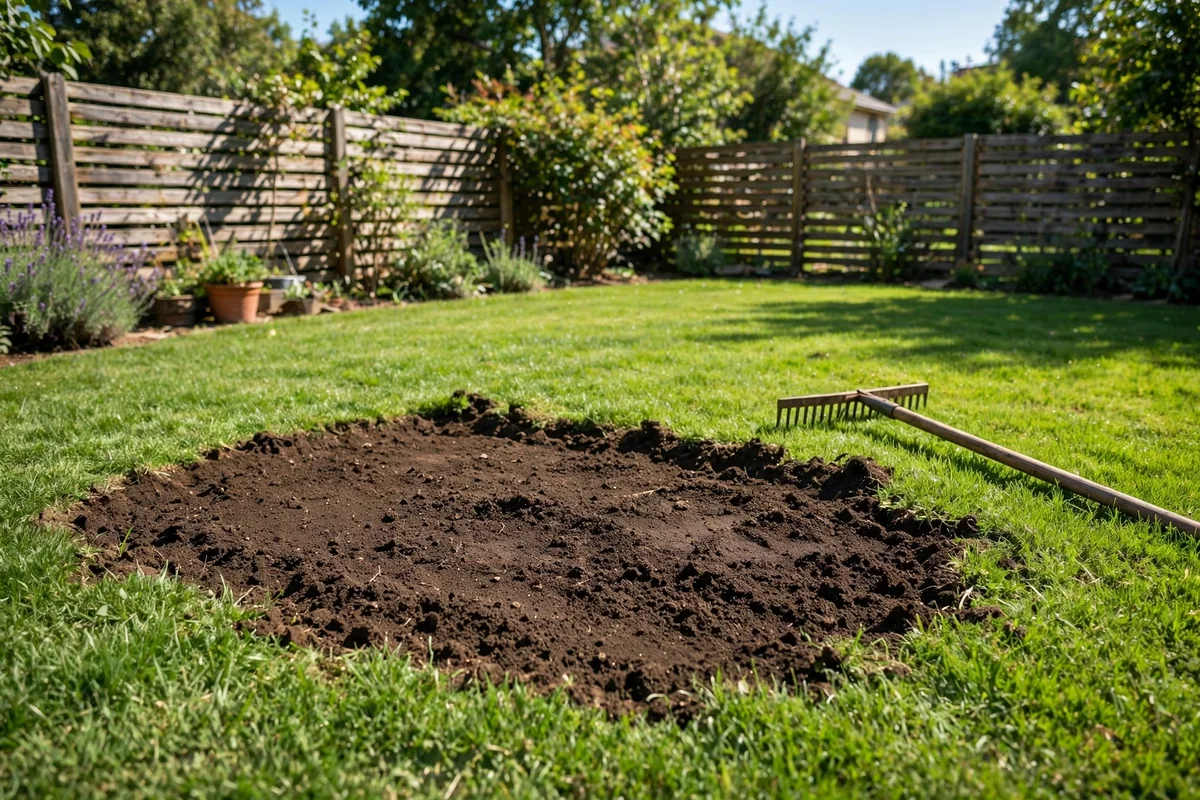
If the same patch of lawn still holds water long after everything around it has dried, pay attention. One temporary puddle after an enormous storm is normal, but a depression that repeatedly turns into a stagnant pool is a mosquito factory. For a minor dip, topdressing with quality topsoil and reseeding with grass often solves it within a season.
For persistent drainage trouble, think carefully before dumping soil anywhere, since you never want to push water toward the foundation or a neighbor’s property. A French drain or a properly designed rain garden may be the right answer, and local drainage advice is worth seeking. Solving the wet spot permanently beats bailing it out after every rain for years.
6. Pulling Tarps Tight So Water Runs Off
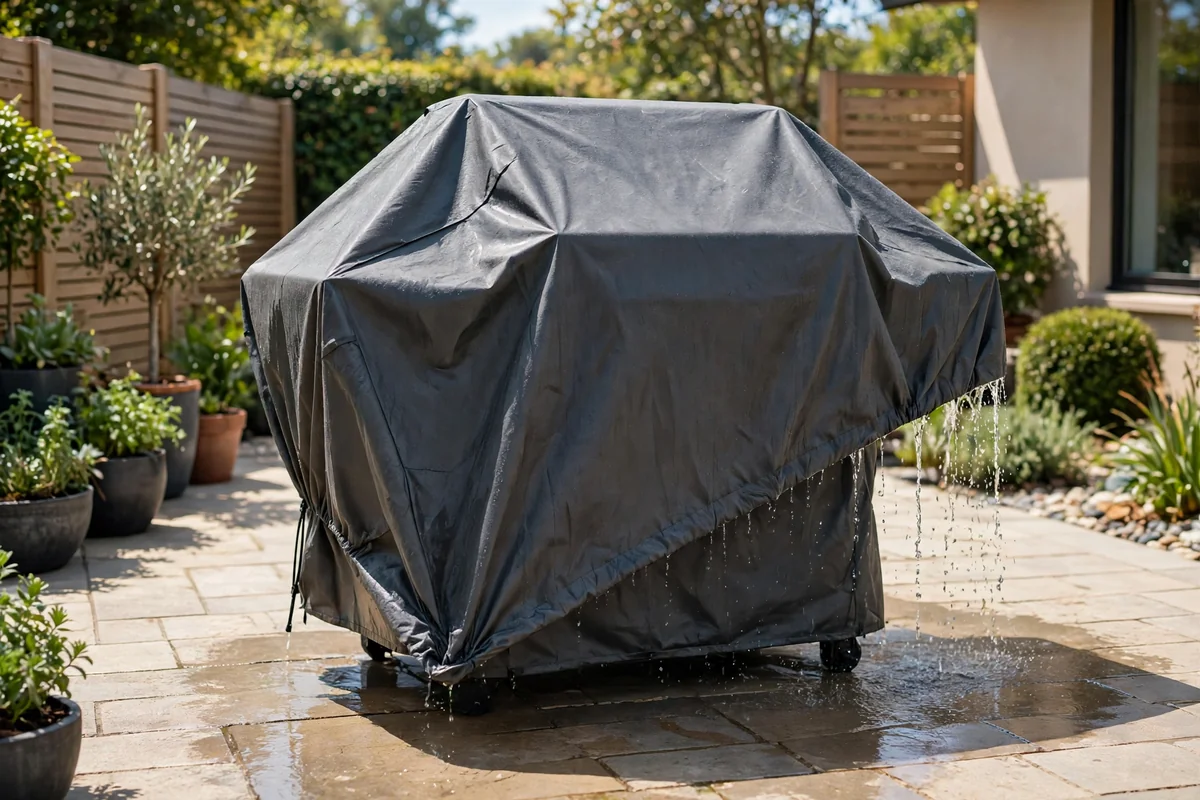
A loosely draped tarp is a surprisingly effective rain catcher. Covers over grills, firewood, play equipment, and patio furniture develop deep sagging pockets that fill with water and sit undisturbed for days. Pull every cover drum tight so rain sheets off instead of settling into folds, and choose covers with built in ties or poles that hold their shape.
After heavy rain, walk past your covered items and tip off any water that collected despite your efforts. If a particular cover can never be pulled tight, consider storing the item differently or replacing the cover with a fitted one. A tarp should protect what is underneath without creating a small pond on top, so treat the upper surface as part of your water hunt.
7. Screening and Sealing Rain Barrels

Rain barrels are wonderful for the garden, but an open barrel is simply a large, permanent mosquito nursery. Keep yours as a closed system: a fine mesh screen secured tightly over the top, sealed overflow outlets, and a tight fitting lid. Check the screening each spring, since sun and weather can tear mesh over a single season.
Also watch what happens around the barrel during storms. If the overflow constantly spills into trays, saucers, or a low depression nearby, you have only moved the standing water problem instead of solving it. Direct the overflow hose into a proper drainage area or a rain garden. A well managed barrel saves water and stays mosquito free at the same time.
8. Turning Over Forgotten Kids Toys
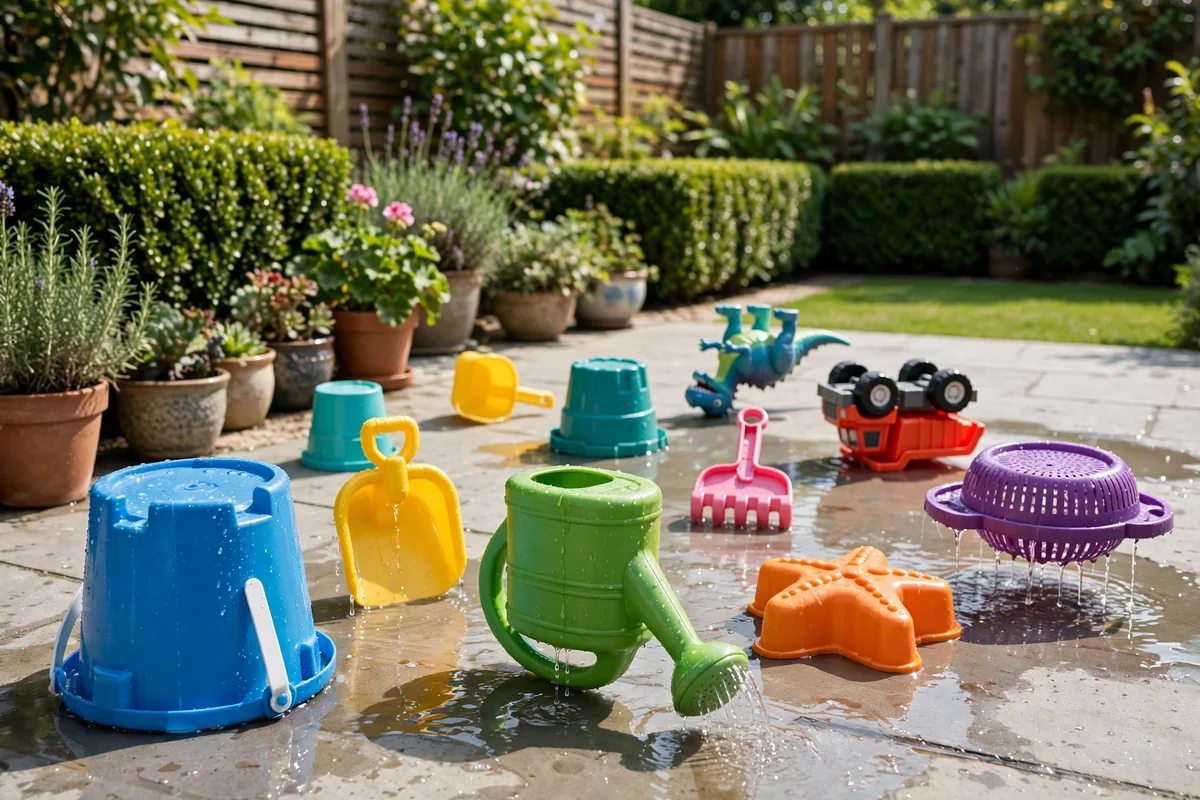
Children’s toys are among the sneakiest water collectors in any yard. Toy trucks, plastic kitchens, sand tables, ride on toys, and oddly shaped play pieces all hold small pockets of rainwater in their hollows. After wet weather, make a quick round of the play area, turning things over and tipping out whatever you find.
Toys that are not in daily use can live under a covered porch or in the shed, and sand and water tables should be covered or drained between uses. Once you learn which toys are the repeat offenders, the check takes seconds. Getting the kids involved turns it into a game, and they quickly learn to flip their own toys after rain.
9. Storing Wheelbarrows Upside Down
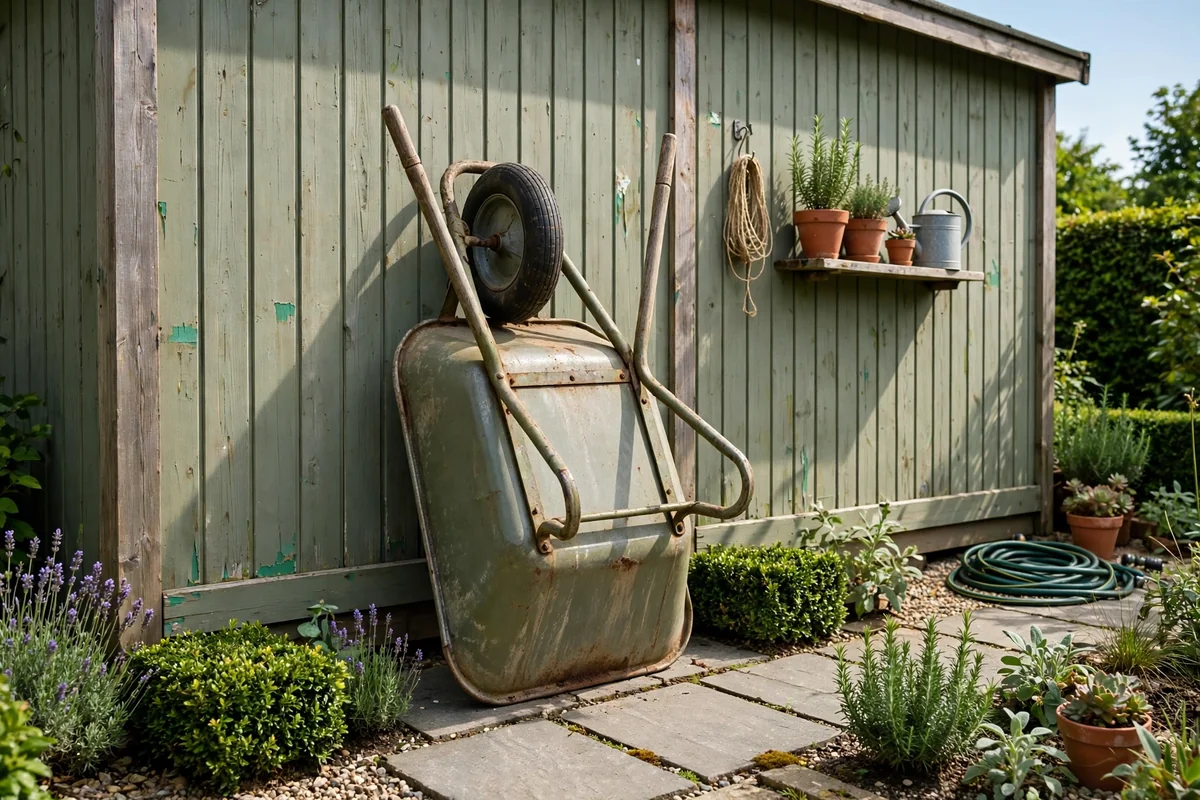
A wheelbarrow left upright after a storm can hold liters of rainwater, making it one of the largest mosquito nurseries in the garden. When you finish working, flip it upside down against a wall or store it under cover. The same rule applies to garden carts, mixing tubs, and large buckets that live outside during the busy season.
Drilling a few small drainage holes in the lowest point of a wheelbarrow is another option if flipping it every time feels like a chore. Just be sure the holes stay clear of soil and debris. These tiny housekeeping habits seem trivial on their own, but mosquito control is really a collection of small habits done consistently all summer long.
10. Maintaining Pools, Covers, and Inflatable Toys

A properly maintained swimming pool is nothing like a forgotten bucket of stagnant water. Keep pool water treated and circulating exactly as the pool’s instructions require, and never let it sit neglected for weeks. The real trouble spots are the accessories: fitted covers that collect rainwater, inflatable toys holding little puddles, and wading pools left filled between uses.
Tip rainwater off the pool cover after every storm, deflate and store inflatables when the swimming is done, and empty small wading pools rather than leaving them filled indefinitely. Store the empty wading pool upside down or under cover so fresh rain cannot refill it overnight. A little discipline around the pool deck removes several breeding sites at once.
11. Using Bti for Water You Cannot Drain
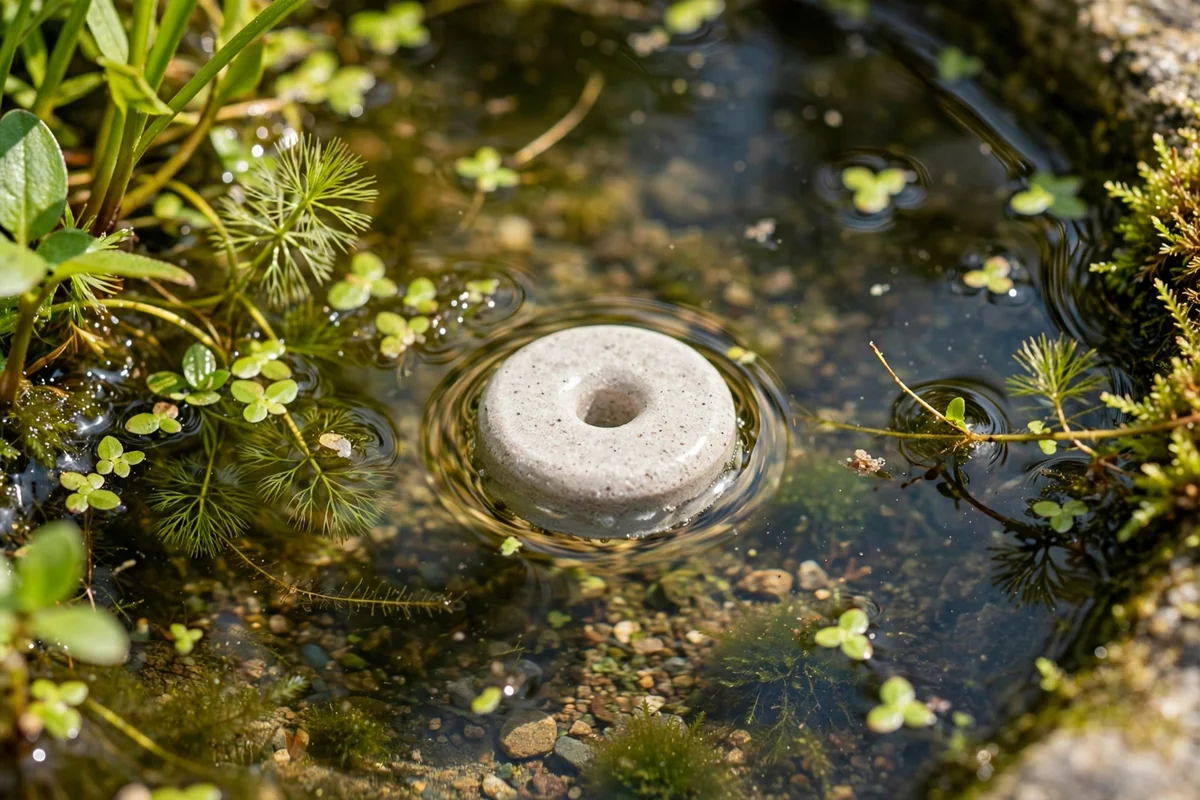
Sometimes you will find water that genuinely cannot be dumped, covered, or drained, like a decorative pond sump or a low drainage swale. For those spots, a mosquito larvicide containing Bti can be a sensible option when used exactly according to its product label. Bti is a naturally occurring bacterium that targets mosquito larvae without harming most other organisms.
Use only products labeled for your exact situation, at the stated amount and interval, since more is never better. Never use a larvicide in drinking water unless the label explicitly allows that use, and keep all products stored safely away from children and pets. Bti is a targeted tool for the exceptions, not a replacement for dumping every container you can.
12. Keeping Fountains and Ponds Circulating

A healthy ornamental pond or fountain is very different from stagnant water trapped in a forgotten bucket. Keep pumps and fountains running so the water stays in constant motion, and clear away leaves and debris that interfere with circulation. Moving water discourages egg laying and supports fish and plants that naturally keep the feature balanced.
If you still notice mosquito larvae despite good maintenance, investigate the right management method for that particular feature rather than pouring homemade mixtures into it. Random substances can harm fish, plants, and beneficial organisms. A well kept water feature should be a garden highlight, not a hidden nursery, and proper circulation is what keeps it that way.
13. Searching Behind Shrubs and Under Benches
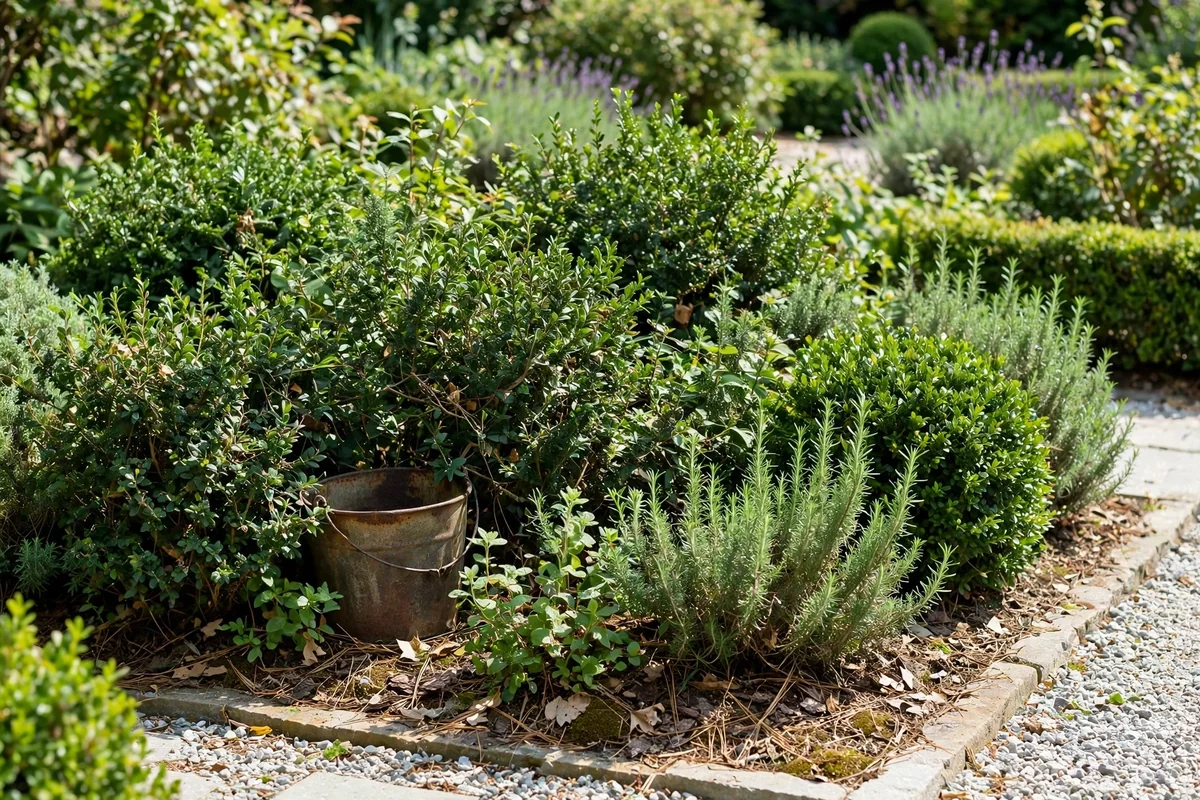
Some breeding sites hide where you never look. Dense planting beds can conceal abandoned pots, plastic sheeting, old containers, and drainage trays that were tucked away and forgotten. Every so often, push past the shrubs and inspect behind benches, along fences, and around the shed, especially after rearranging a bed or moving furniture.
Removing a single forgotten container from behind the hedge can do more good than any decorative mosquito gadget on the market. Make this hidden corner check part of your seasonal garden cleanup each spring and fall. Out of sight should never mean out of mind when it comes to standing water, because mosquitoes are perfectly happy to breed where nobody is watching.
14. Trimming Dense Growth Around the Patio

Breeding water is the priority, but adult mosquitoes also need cool, humid resting spots during the heat of the day. Dense overgrown vegetation crowding the patio gives them exactly that. Prune shrubs when they genuinely need it, pull weeds, and keep plants from swallowing chairs and pathways, creating a little breathing room where your family actually sits.
There is no need to strip the garden bare, since healthy landscaping is valuable for shade, beauty, and wildlife. The goal is simply an open, airy seating area rather than a damp enclosed thicket. Good airflow and a bit of sunlight on the patio make the space far less comfortable for resting mosquitoes and far more pleasant for evening meals.
15. Aiming an Outdoor Fan at Your Seating Area

One of the most effective comfort tricks for a patio is wonderfully simple: an ordinary outdoor rated fan. Mosquitoes are relatively weak fliers, so a steady breeze across your seating area makes it genuinely hard for them to land and bite. Set the fan to blow across the chairs or dining table rather than expecting one fan to guard the whole yard.
This works beautifully for dinners on a covered porch or long evenings around the patio table. Choose a fan rated for outdoor or damp locations, keep cords tidy and away from water, and clean the blades regularly. A fan does not remove breeding sites, so keep up the water hunt too, but for immediate comfort while you sit outside, moving air is hard to beat.
16. Choosing Patio Lighting Wisely

No light bulb will repel mosquitoes from your yard, and it helps to let go of that hope before spending money on gadgets. What lighting can do is avoid making the problem worse. When you are replacing exterior bulbs anyway, choose warm toned options that attract fewer night flying insects than harsh cool white lights.
Treat lighting as a small supporting detail rather than a control strategy. Keep the real focus on standing water, vegetation management, and personal protection during peak hours. Well placed warm lighting still makes the patio feel magical on summer evenings, and it does so without drawing a crowd of insects to hover exactly where you are sitting.
17. Enjoying Fragrant Plants Without False Promises
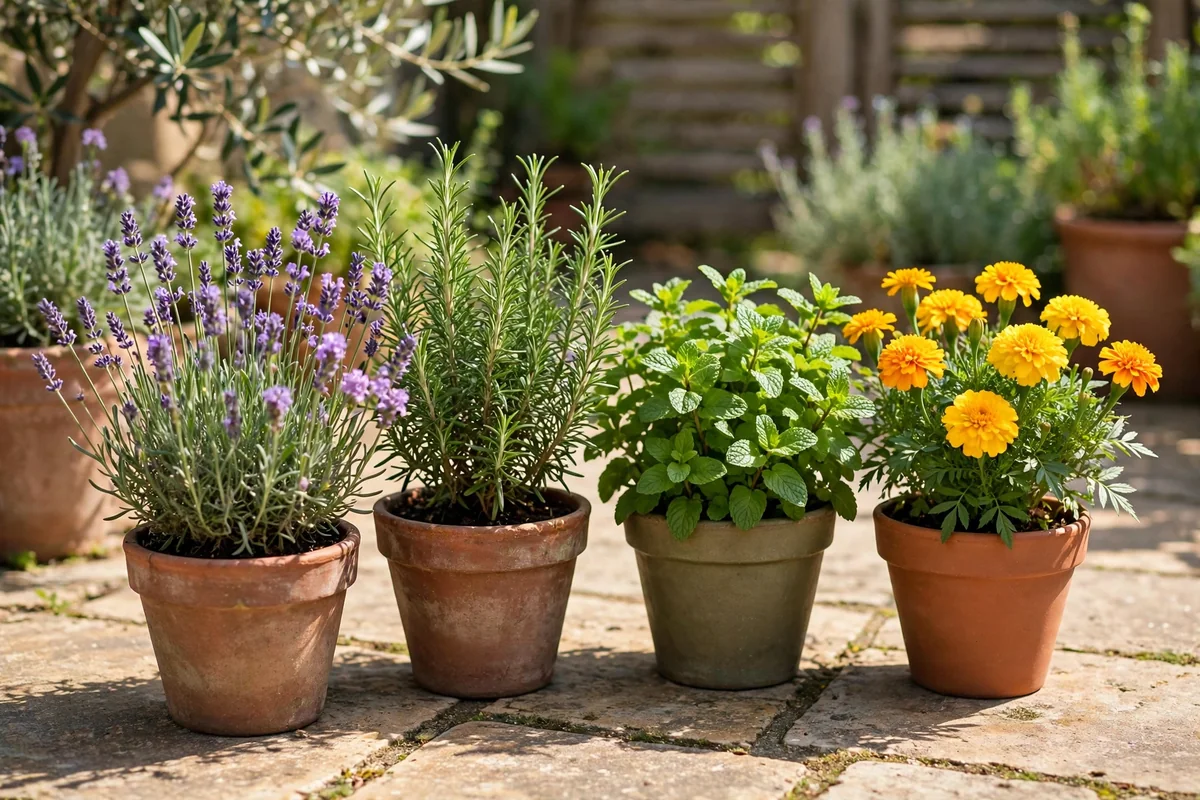
Lavender, rosemary, mint, basil, marigolds, and scented geraniums are all delightful additions to a patio garden, and you should absolutely grow the ones you love. Their fragrance and beauty earn them a place by the seating area. Just do not expect a few pots in the corner to create an invisible mosquito barrier around your dinner table.
A plant sitting quietly in its pot is not the same as a tested repellent applied to skin or clothing. Enjoy these plants for their scent, flavor, and looks, and consider the fragrance a pleasant bonus rather than protection. Meanwhile, keep removing standing water and use proven bite prevention when mosquitoes are active. Honest expectations keep a garden joyful instead of disappointing.
18. Skipping Unproven Homemade Yard Sprays

Recipes involving essential oils, mouthwash, vinegar, garlic, or dish soap make mosquito control sound inexpensive and simple, which is why they spread so quickly online. The trouble is that natural does not automatically mean effective, and it certainly does not mean harmless to plants, pollinators, pets, or outdoor furniture. An untested spray can damage exactly the garden you are trying to enjoy.
Do not spray homemade mixtures broadly over lawns, flower beds, play areas, or seating. If mosquito pressure is genuinely high, choose a properly registered product labeled for your intended use and follow its directions exactly, since the label tells you where, how, and how often to apply it. Tested products with clear instructions beat hopeful kitchen chemistry every time.
19. Dressing Smart During Peak Mosquito Hours

Even the best kept yard cannot stop every mosquito from drifting in, especially around dusk when they are most active. Lightweight long sleeves and long pants in breathable fabrics make it much harder for them to reach your skin, and light colors help you spot any that land. A wide brim hat adds comfort on bright evenings too.
Time your outdoor plans with mosquito habits in mind. The hour around sunset is peak activity in most regions, so save the most exposed activities for earlier or later when you can. Sitting near the fan, away from dense planting, in your protective layers turns a potentially itchy evening into a genuinely pleasant one. Small adjustments to timing and clothing pay off quickly.
20. Using a Proper Repellent the Right Way

When mosquitoes are active and you want to sit outside, a properly registered insect repellent used as directed is a sensible layer of protection. Apply it to exposed skin and clothing according to the label, avoiding eyes, mouths, and any broken skin. Reapply only as often as the product directions allow, since more is not more effective.
For babies and young children, follow the age specific directions on the label and current public health guidance rather than improvising with essential oils or adult strength products. Dress little ones in protective clothing first, then use only products approved for their age. A repellent is one tool among many, working best alongside all the yard habits in this list.
21. Building a Ten Minute Weekly Yard Check

The single most effective mosquito habit is not a product at all. It is a short inspection you repeat every week through the warm months. Walk the property, dump any new standing water, refresh the birdbath, glance at plant saucers, check gutters and tarps, look over the toys, and confirm nothing has changed around the patio. Ten focused minutes is plenty.
This matters because a yard is never static. Rain falls, toys move, leaves clog drains, and a bucket gets forgotten behind the shed. A perfectly managed yard on Monday can hold several new water filled containers after a weekend storm. A regular weekly check catches those little problems before they quietly sit for weeks, which is exactly how mosquito seasons get out of hand.
22. Teaching the Whole Family the Routine

Mosquito control works best when everyone in the household knows the basics. Show children how to flip their toys after rain, empty the wading pool when they are done, and tell an adult if they spot a clogged gutter or a mysterious puddle. When the routine belongs to the whole family, no single person has to carry it alone.
Keep the expectations simple and positive rather than turning it into a lecture. A quick reminder during the weekly check is enough, and praise the sharp eyes that spot a hidden saucer. Over a summer, these shared habits become second nature, and the reward is a yard where everyone can play, dine, and relax without constant swatting.
Closing Thoughts
Controlling mosquitoes naturally is really about tending your yard with a little more attention. Dump the water, trim the thickets, and keep the weekly check on the calendar.
Do that consistently, and the reward is a summer of long, golden evenings where the only buzz comes from the string lights, not the swarm.
Frequently Asked Questions
How often should I dump standing water in my yard?
Check for standing water at least once a week during mosquito season, and always after heavy rain. Mosquitoes can develop from egg to adult in as little as seven to ten days in warm weather, so a weekly rhythm breaks their life cycle. Make the check part of another routine, like mowing or watering, so it never gets forgotten.
Do mosquito repellent plants actually work?
Plants like lavender, mint, and marigolds smell lovely, but simply growing them does not create a protective barrier. Scientific testing shows the concentrated oils can have some repellent effect when properly formulated and applied, which is very different from a potted plant on the patio. Grow these plants because you enjoy them, and rely on proven methods for actual protection.
Is Bti safe to use around pets and wildlife?
Bti is a naturally occurring bacterium that specifically targets mosquito and black fly larvae, and it is considered low toxicity for people, pets, birds, and most other wildlife when used as labeled. Still, always follow the product label exactly, use only the stated amount, and store products securely. It is a targeted tool for water you cannot drain, not something to scatter casually around the yard.
Why do mosquitoes bite me more than other people?
Mosquitoes are drawn to the carbon dioxide we exhale, body heat, sweat, and certain skin odors, so some people naturally attract more attention. Dark clothing, recent exercise, and even blood type may play small roles. You cannot change your scent profile much, but protective clothing, a fan, and a proper repellent level the playing field considerably.
When is mosquito season at its worst?
Mosquito activity usually peaks in mid to late summer when warm temperatures speed up their breeding cycle, and the hour around dusk is the most active time of day. After heavy rains, expect a surge about a week later as new adults emerge. Starting your yard routine in spring, before populations build, gives you the calmest summer.