Living Room
25 Small Living Room Ideas That Make Compact Rooms Feel Generous
By Anna Wells · · 22 min read
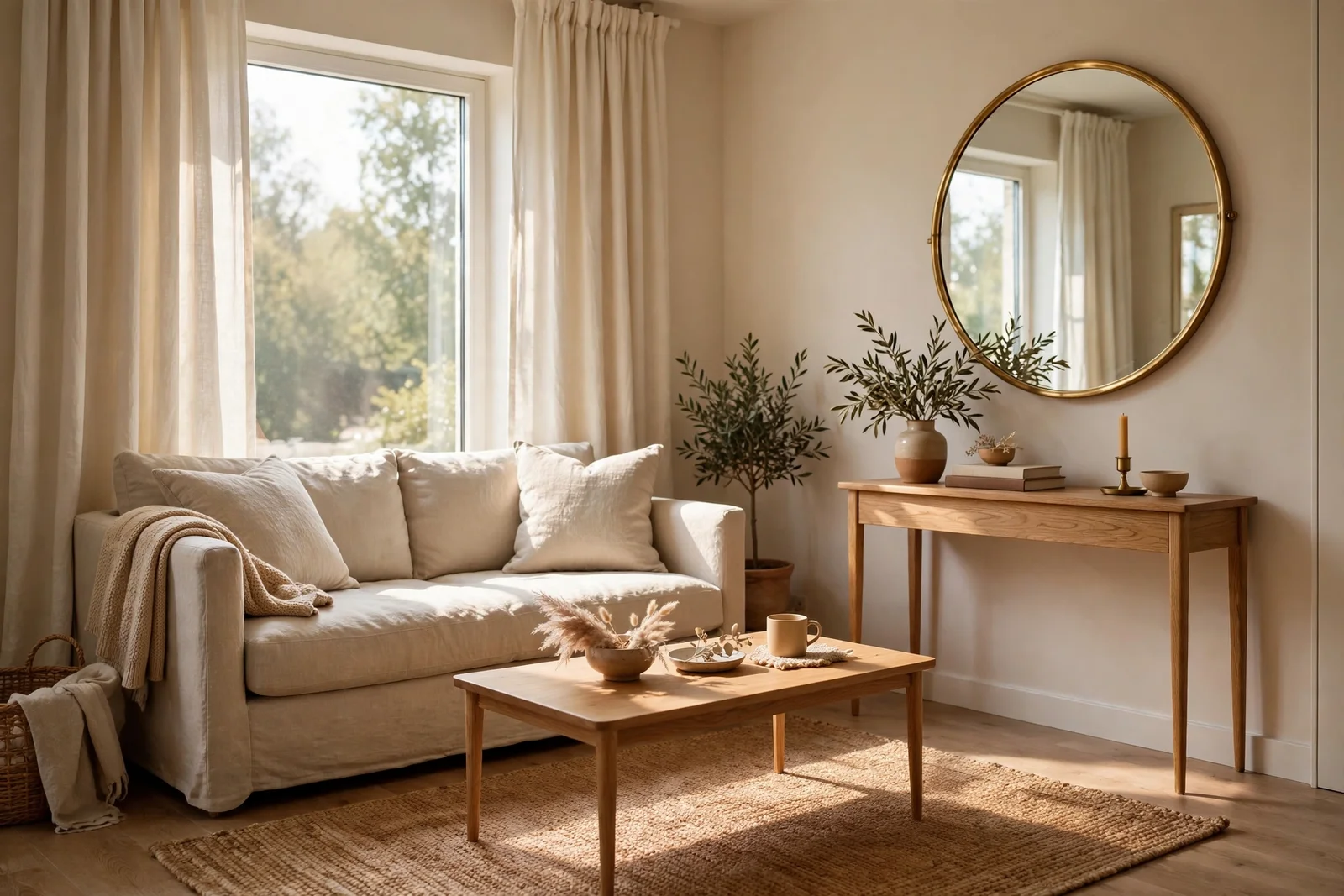
Twenty five practical ideas for compact lounges, with real measurements for sofas, walkways and storage that make a small living room feel calm and generous.
There is a particular frustration in owning a living room where the sofa swallows the doorway and the coffee table grazes your shins. Morning light arrives, but it lands on clutter instead of calm, and by evening the whole room feels one cushion away from overflowing. The good news is that most cramped lounges are not short of space; they are short of editing, and a few measured changes can hand the breathing room back.
A small living room asks for decisions made with a tape measure rather than a wish list. When every centimetre earns its place, the room stops fighting you and starts serving the family: quiet corners for reading, easy walkways, and seating that welcomes guests without crowding them. These twenty five ideas are built on real measurements, honest materials and arrangements that work in rented flats and owned homes alike.
You will find sofa sizing rules, ways to stretch walls with mirrors and curtains, storage that climbs instead of sprawls, and pieces that do two jobs at once. Each idea names materials, sizes and budget options, plus the mistake most often made so you can skip it. Take them in any order; even three or four will change how the room feels.
Begin with the layout and the largest piece, then work outward to light, storage and the finishing layers. A calm small lounge is not about owning less for its own sake; it is about choosing well, placing with care, and keeping what makes daily life easier. Let us walk through the ideas one by one.
1. Size the Sofa to Two Thirds of the Longest Wall
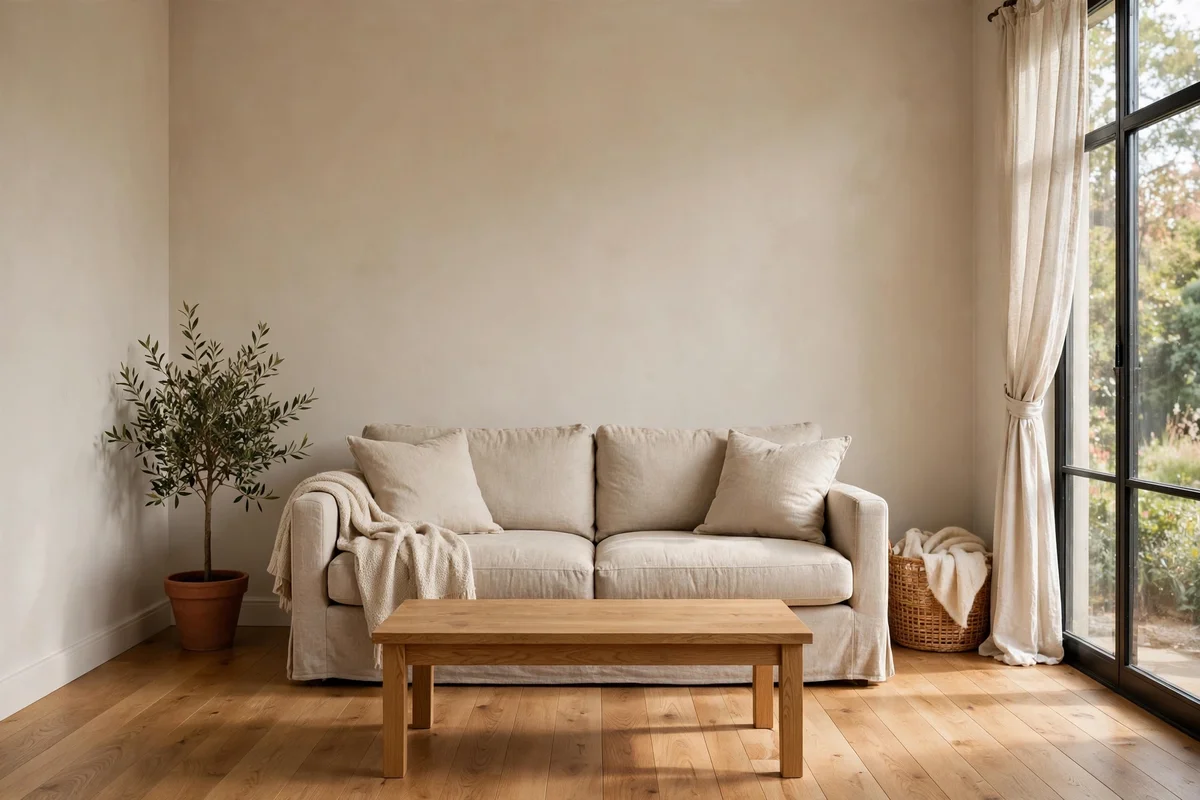
A sofa wider than two thirds of its wall turns a small lounge into a corridor, so start with the tape measure. Multiply the longest usable wall by 0.66 to find your maximum sofa width; in most compact rooms that lands between 150 and 180 cm. Leave at least 10 cm of bare wall at each end so the room can breathe. A seat depth of 85 to 95 cm suits low backed frames and keeps knees off the cushion edge.
Carry the wall measurement on your phone when you shop, and test display models against it honestly. Second hand and auction listings often include 150 to 160 cm sofas built for flats, usually priced between 100 and 200 pounds or dollars. The common mistake is falling for a deep buttoned sofa over 100 cm of seat depth, which eats the walkway in front. A leggy frame with a low back reads smaller than its true width.
2. Choose a Low Backed Sofa With a Shallow Seat
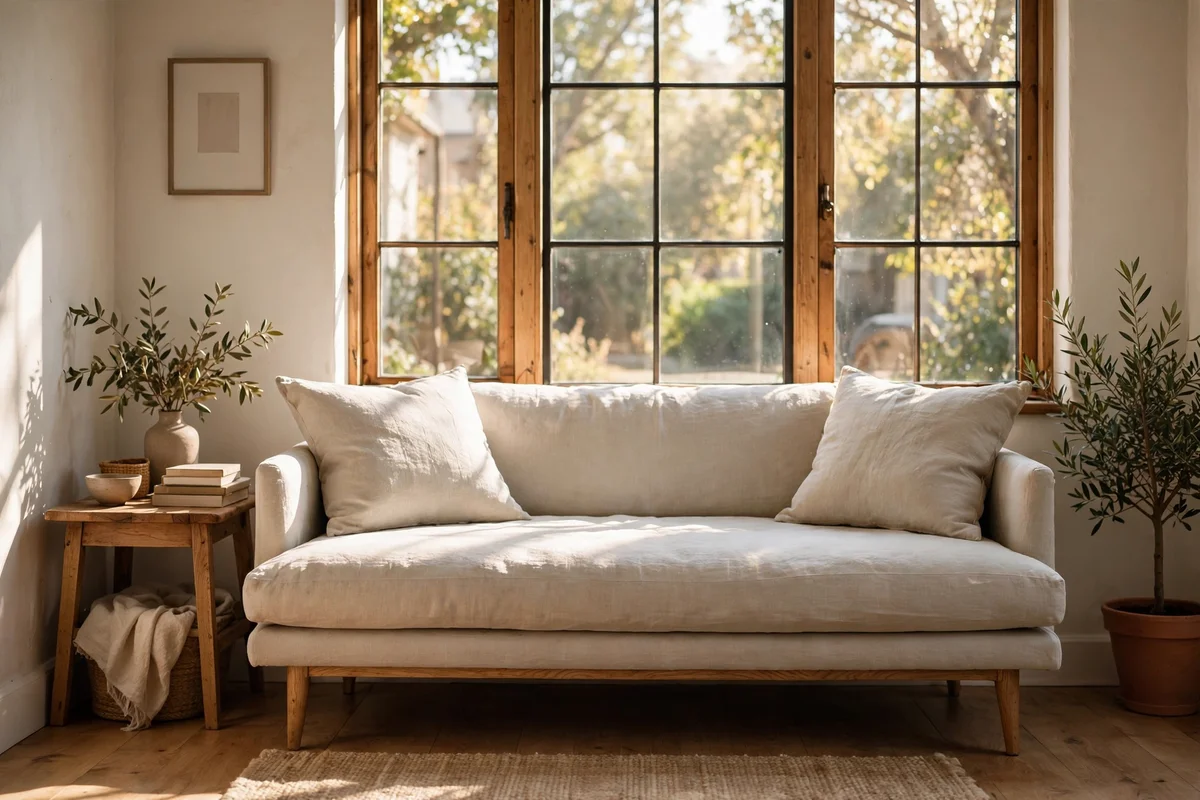
High backs slice a small room into visual walls, while a back around 65 to 75 cm tall keeps sightlines open from door to window. Pair it with a seat depth of 85 to 95 cm so the sofa supports without jutting into the walkway. Armless ends or arms under 15 cm wide save even more width. Oatmeal or pale stone slipcovered linen suits compact rooms and washes well after family gatherings.
High street ranges sell 150 cm low backed sofas for 200 to 400 pounds or dollars, and a tailored slipcover can refresh a charity shop find for under 90. Avoid the tall roll arm that looks grand in the showroom; in a 3 by 4 metre room it blocks light and halves the sense of space. Sit on the exact model if you can, and check the back height against your windowsill before committing.
3. Raise Seating on Slim Legs So the Floor Shows Through
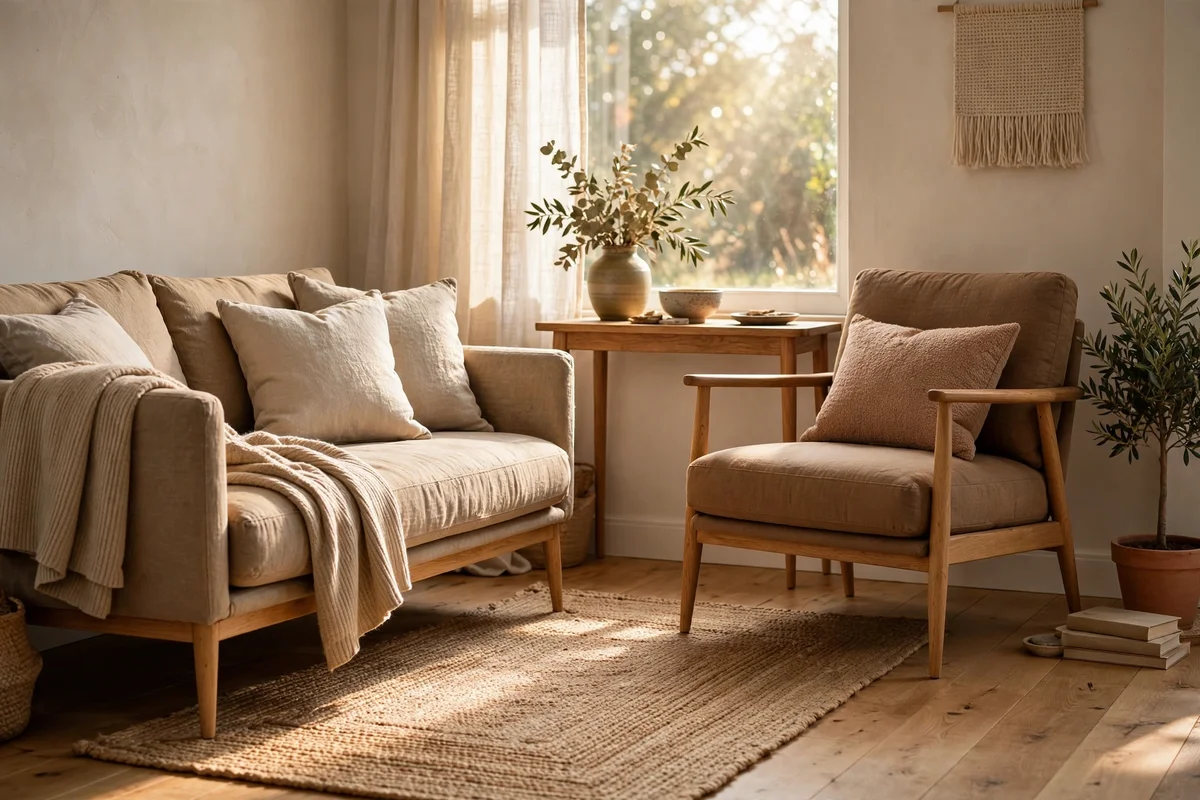
Furniture that sits flat on the floor reads as one heavy block, while legs of 10 to 15 cm let the eye travel underneath and the room feel larger. Choose sofas and armchairs with tapered timber legs in oak or walnut rather than hidden plinths. The visible floor stripe connects separated zones, which matters most in open plan lounges. Keep the area under seating clear of storage boxes so the trick keeps working.
Screw on replacement legs cost 15 to 30 pounds or dollars for a set of four and fit most standard sofa frames. The mistake to avoid is buying a skirted base because it looks tailored; in a compact room it hides exactly the floor you need to see. Vacuum under the furniture monthly, since visible gaps collect dust, and pick leg finishes that echo your other timber pieces for a calm, joined up look.
4. Hang One Large Mirror Opposite the Window
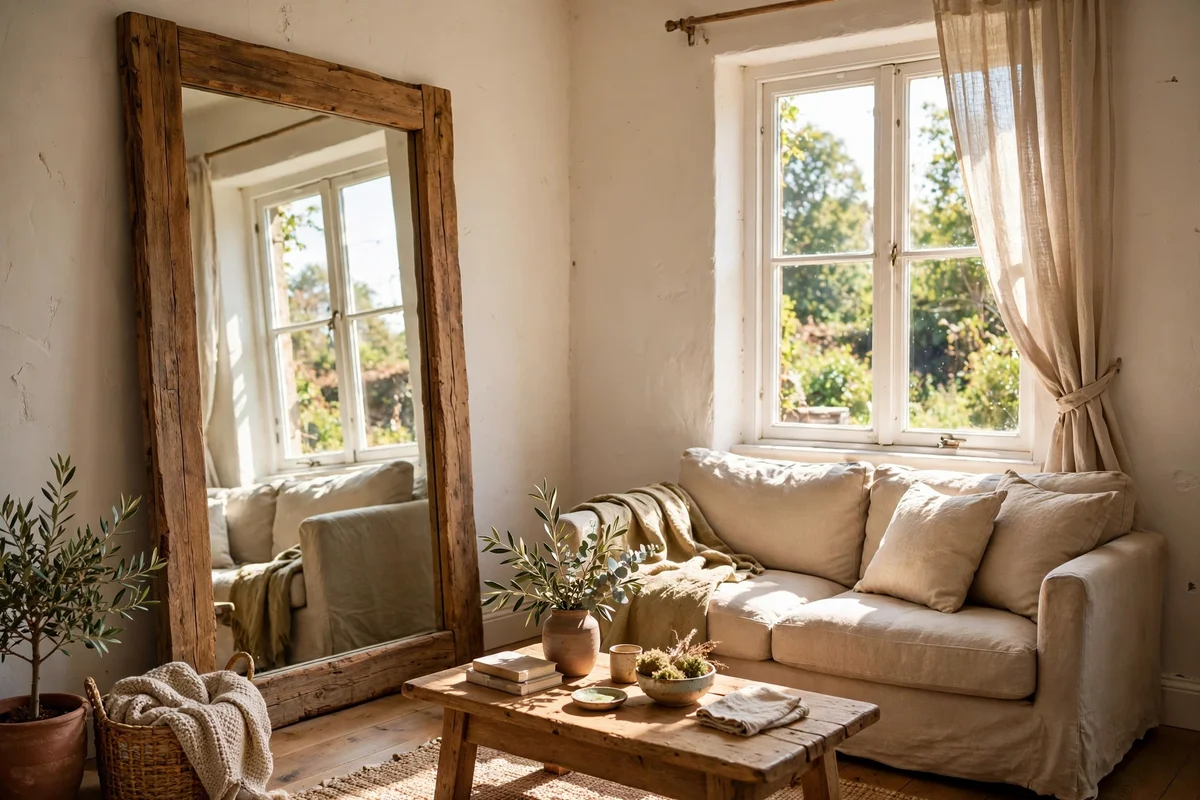
One mirror measuring at least 80 by 120 cm, hung or leaned opposite the window, doubles the daylight and stretches the wall visually. A single large reflection reads as another window, while a gallery of small mirrors reads as clutter. Position the centre at 145 to 155 cm from the floor so seated and standing views both work. Choose a slim timber or aged brass frame that echoes your other metals.
Large leaning mirrors start around 60 to 120 pounds or dollars at high street home stores, and second hand frames can be painted for under 20. Avoid hanging the mirror where it reflects a messy corner or the television; it will double the clutter instead of the light. Angle it slightly toward the window if the room is narrow, and dust the glass monthly since streaks show at this scale.
5. Fit Curtains at Ceiling Height and Wide of the Frame
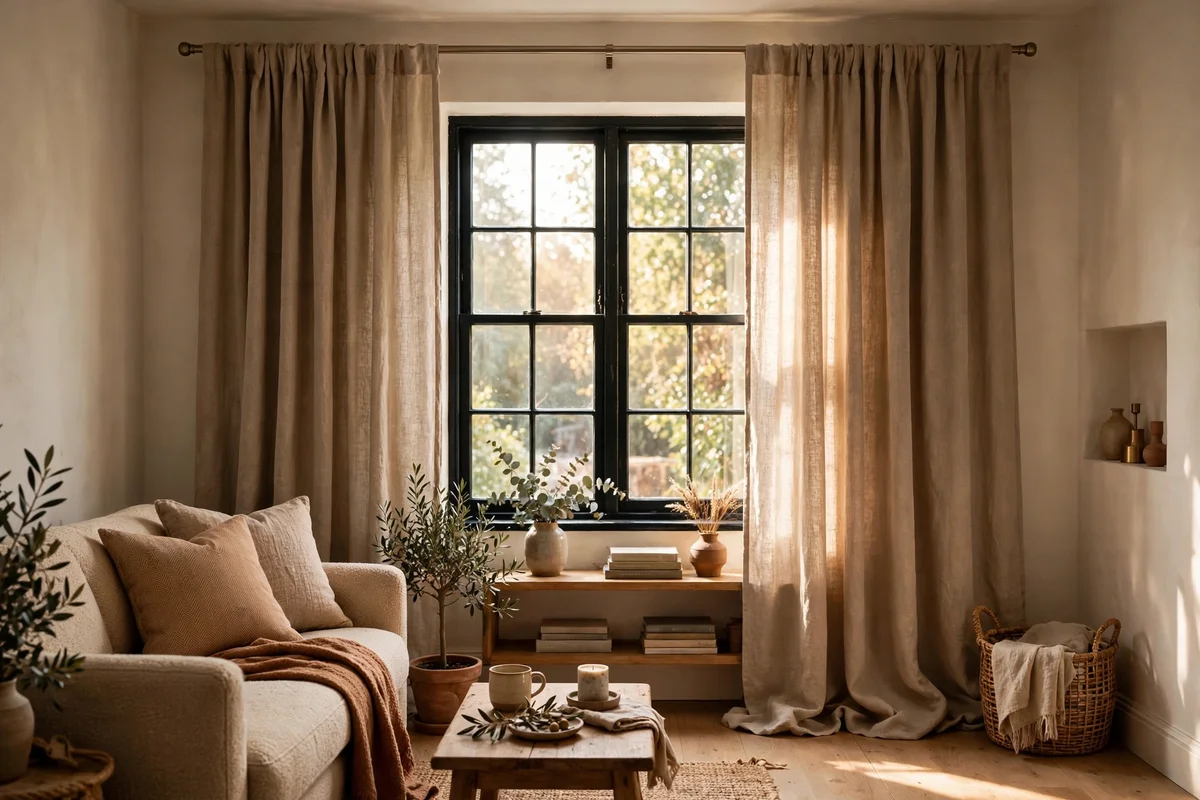
Curtains hung just below the ceiling, with the rod 15 to 25 cm wider than the window on each side, draw the eye upward and make the glass look larger. The panels should just kiss the floor, so measure from rod to floor and order a 5 cm longer drop if you are between sizes. Lightweight linen or cotton in a tone close to the wall colour keeps the line seamless and the room airy.
Ready made ceiling height curtains cost 30 to 70 pounds or dollars per pair, and an extendable rod rated for the fabric weight runs 15 to 25. The mistake is mounting the rod at the window frame line, which chops the wall and shrinks the window. Steam the panels once after hanging so folds fall evenly, and pull them fully to the sides each morning to frame the daylight.
6. Store Upwards With One Tall Slim Bookcase
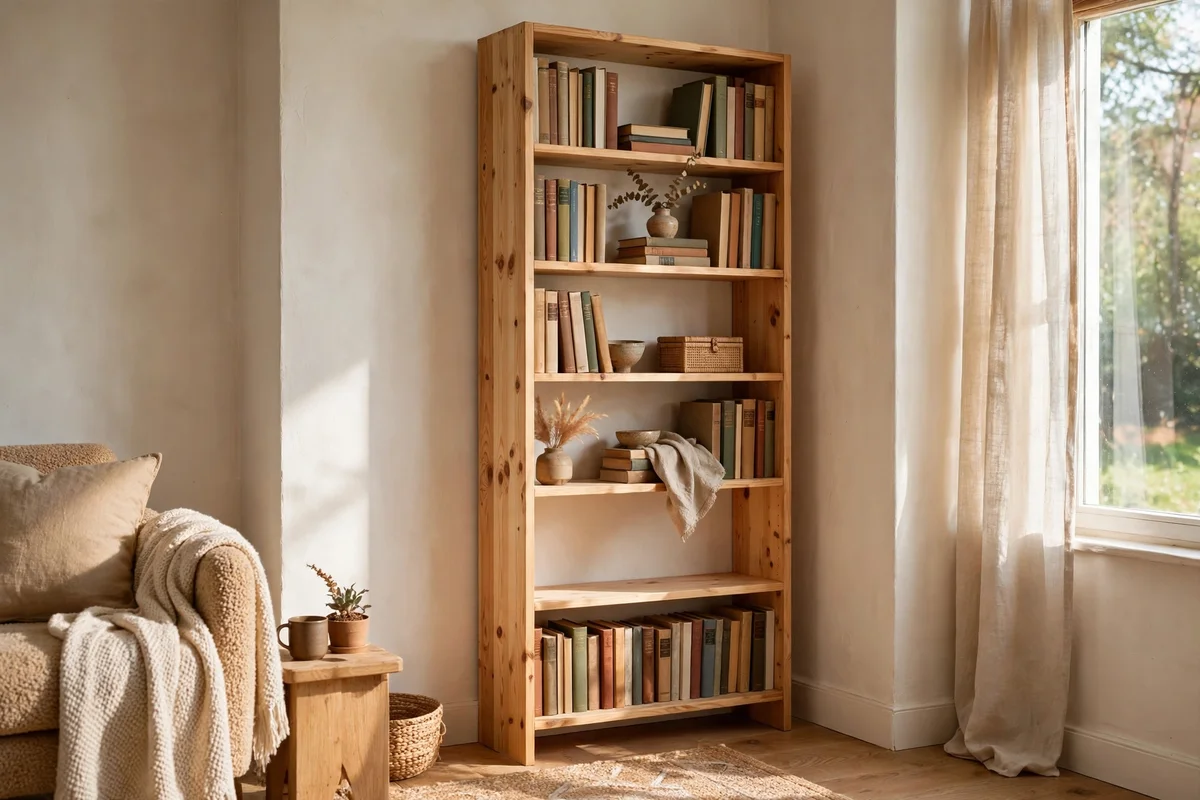
When floor space is scarce, storage should climb. A single bookcase 40 to 50 cm wide and 180 to 200 cm tall holds as much as a low sideboard twice its footprint while keeping the floor line clear. Fix it to the wall with the supplied anti tip strap, which matters in family homes. Style shelves with books stacked both upright and flat, leaving one shelf in three partly empty for breathing room.
Solid pine bookcases cost 60 to 140 pounds or dollars, and a coat of warm white paint unites mismatched second hand pieces. Avoid two short wide shelves flanking the television; they eat wall width and collect dust. Place the tall unit in a dead corner beside the door or window where nothing else fits, and keep the heaviest items on the lowest shelves for stability.
7. Show Art on Shallow Picture Ledges
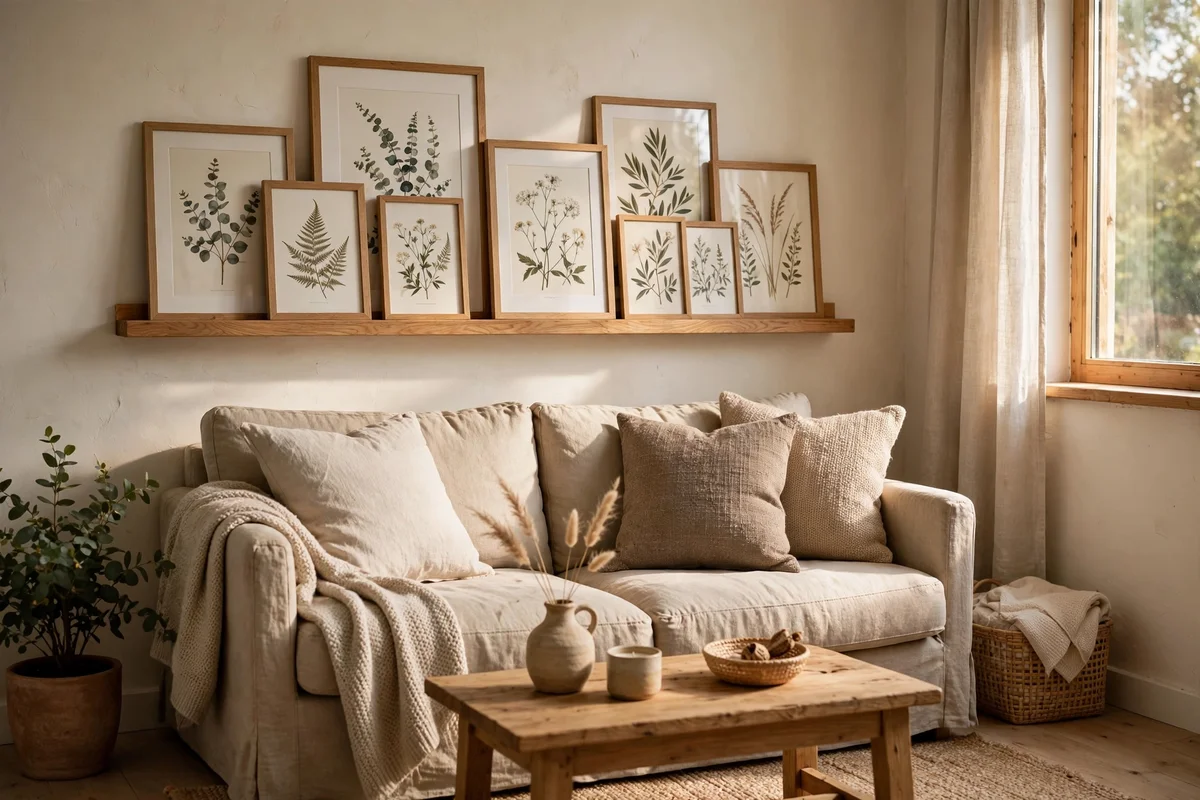
Picture ledges 8 to 10 cm deep let you layer framed prints and small treasures without the bulk of a deep shelf or the commitment of many nail holes. Fix one or two ledges at eye level, around 145 to 155 cm from the floor, and overlap frames in front of each other for a collected feel. The narrow profile keeps the wall feeling flat, which suits compact rooms far better than protruding cabinets.
A 120 cm oak ledge costs 20 to 40 pounds or dollars, and two small screws per bracket are usually acceptable even in rentals. The mistake to avoid is lining up ten tiny frames in a straight row, which looks busy; three to five varied sizes layered casually read calmer. Leave 15 cm clear at each end of the ledge so the arrangement feels intentional rather than crowded.
8. Keep the Base Palette Pale and Warm the Room With Timber
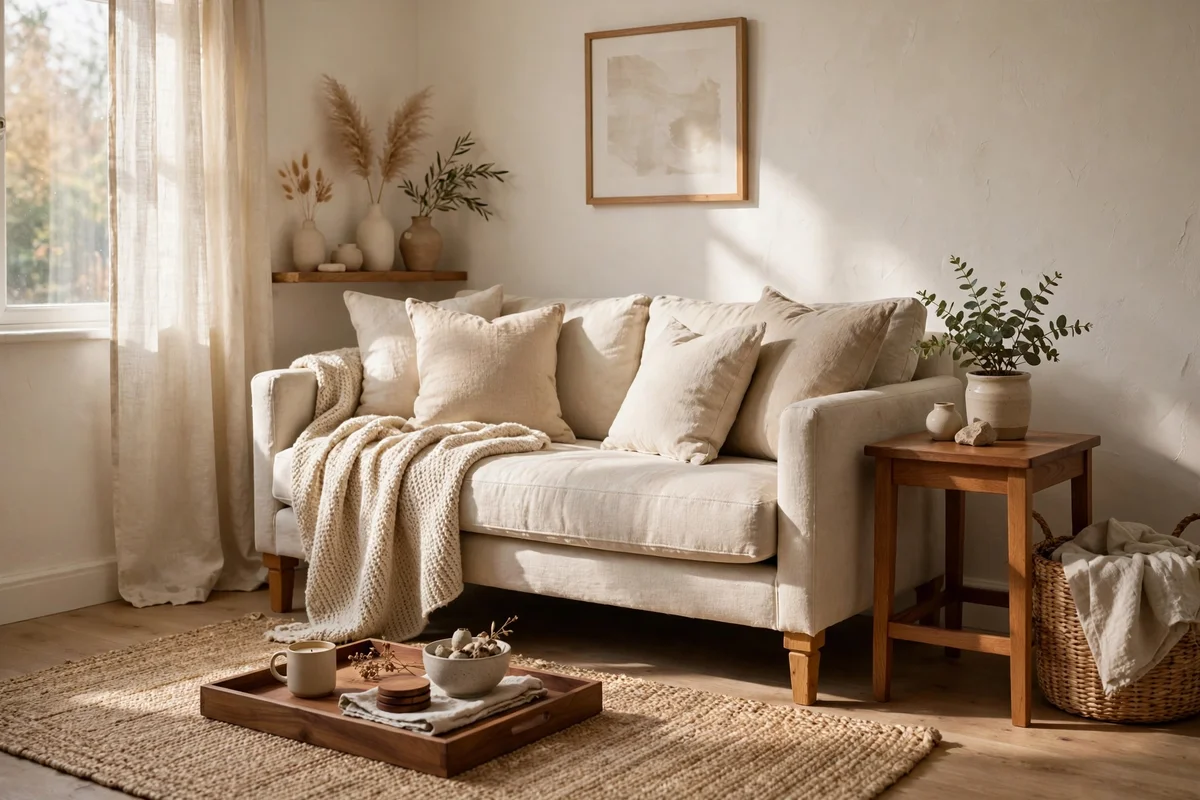
A light base of warm white, soft oatmeal or pale stone on walls, sofa and curtains reflects daylight and lets boundaries blur, which is the simplest way to enlarge a small lounge. Introduce warmth through timber instead of colour: oak legs, a walnut tray, a teak side table or a woven jute rug. Keep the largest surfaces, walls and sofa, within two tones of each other so the room reads as one calm field.
A tin of warm white paint costs 25 to 45 pounds or dollars and covers a small lounge in a weekend. The mistake is painting everything brilliant white, which can feel cold under northern light; choose whites with a drop of yellow or red in the mix. Add timber gradually, one piece per season, and let the grain patterns vary so the room feels collected rather than matched.
9. Deepen the Scheme With Exactly One Heritage Colour
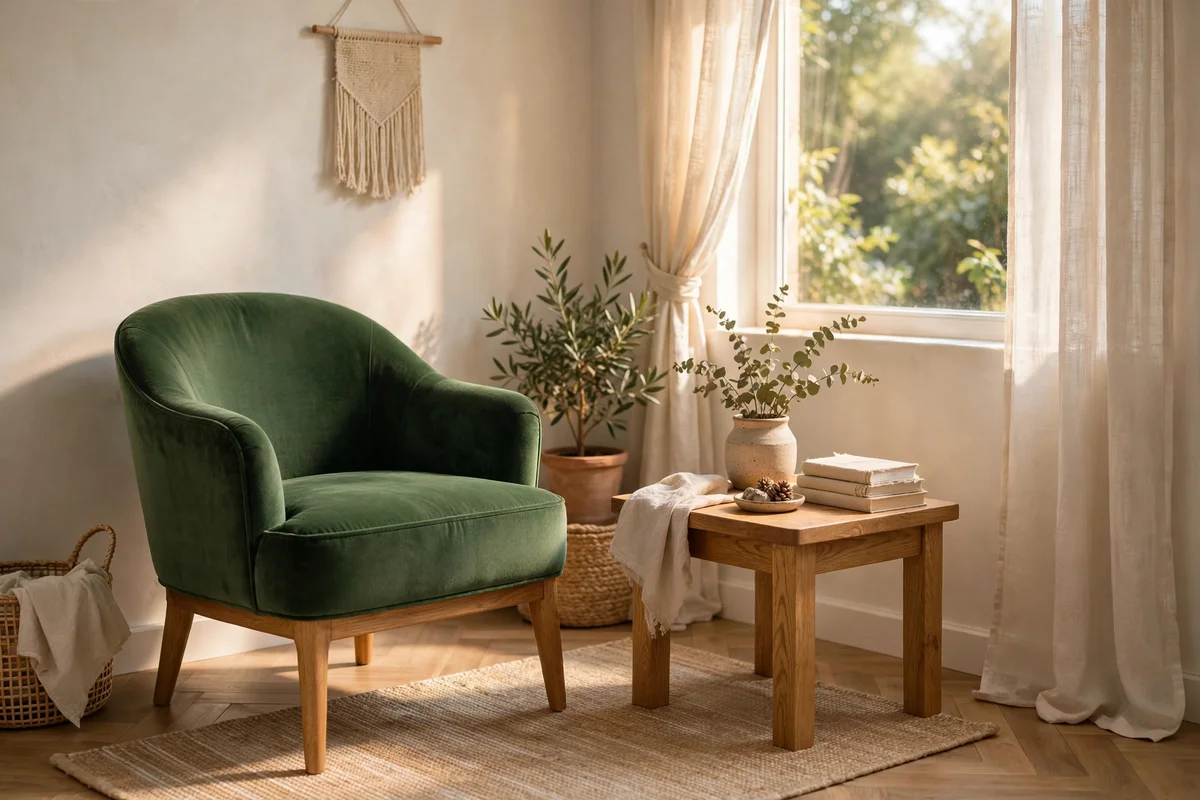
One heritage colour, forest green, deep burgundy or classic navy, gives a pale room the depth it needs without shrinking it. Use it on a measured 10 to 15 percent of the room: three cushions, one armchair, or the inside back of a bookcase. Dark tones recede when used sparingly, which adds richness behind the lighter layers. Keep the colour matte and earthy rather than bright so it settles into the scheme.
Cushion covers in heritage shades cost 12 to 25 pounds or dollars each, and a small tin of paint refreshes one chair for under 20. The mistake is spreading the accent across cushions, curtains, rug and art, which chops the room into competing zones. Choose the single strongest application, live with it for two weeks, and only then decide whether a second touch is truly needed.
10. Swap the Coffee Table for a Storage Ottoman
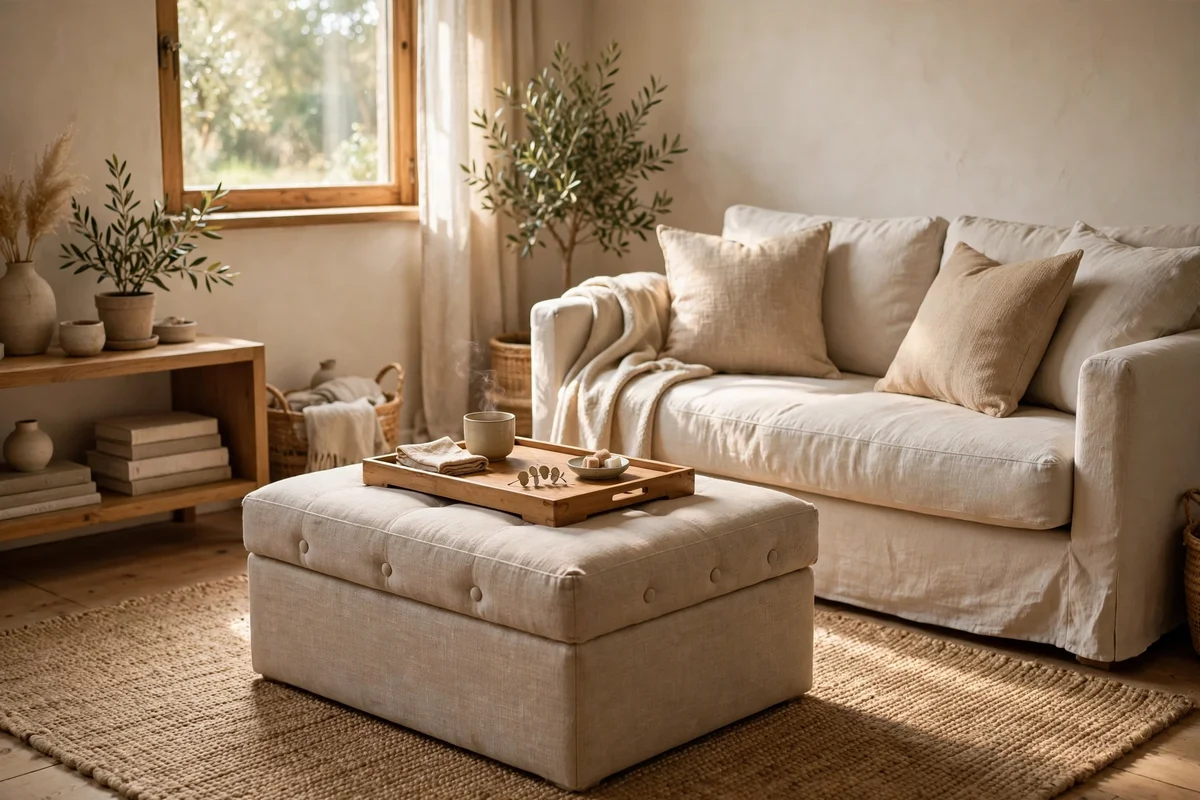
A storage ottoman around 90 by 60 cm and 40 cm high does the work of a coffee table while hiding throws, toys and chargers inside. Choose a firm flat top that holds a tray for tea, so it serves guests properly, and pick wipeable fabric or leather in a tone close to the sofa. The soft edges are kinder to small shins in tight walkways and safer for young children.
Hollow ottomans with lids cost 60 to 130 pounds or dollars, and vintage blanket boxes work just as well with a tray on top. The mistake is buying one too tall to rest feet on or too soft to balance a cup; test the lid firmness before you commit. Sort the interior twice a year so it stays useful rather than becoming another hidden drawer of clutter.
11. Tuck Nesting Tables Beside the Sofa
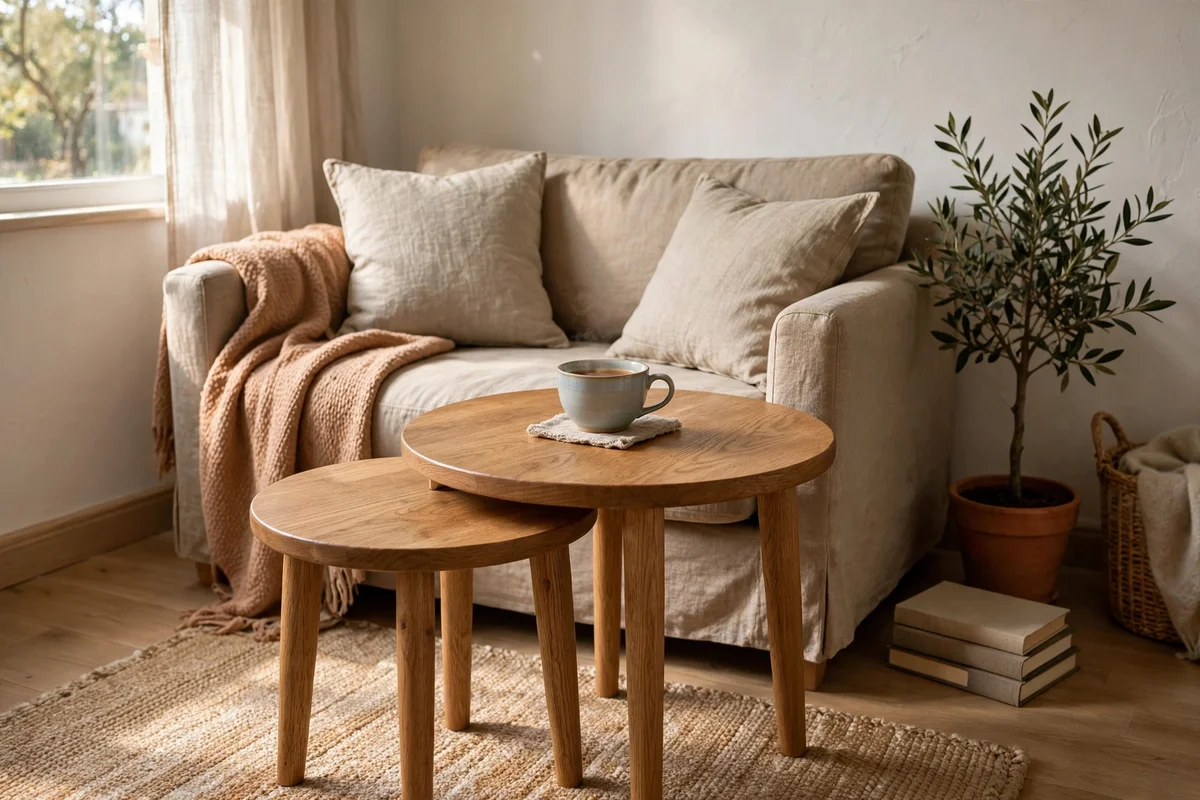
A pair of nesting tables, the larger around 45 cm square and the smaller 35 cm, gives you two side tables in the footprint of one. Pull the small table out when guests need a spot for tea, then slide it back to restore the walkway. Round tops in oak or walnut suit compact rooms because they lack corners that catch hips. Keep the larger table within arm’s reach of the sofa end.
Nesting pairs cost 40 to 90 pounds or dollars in timber, less in second hand shops. The mistake is treating them as permanent display stands for heavy decor; keep tops nearly clear so they can move freely. Oil wooden tops twice a year to resist tea rings, and check the smaller table slides fully under the larger one in the shop before buying.
12. Add a Fold Down Desk That Disappears at Night
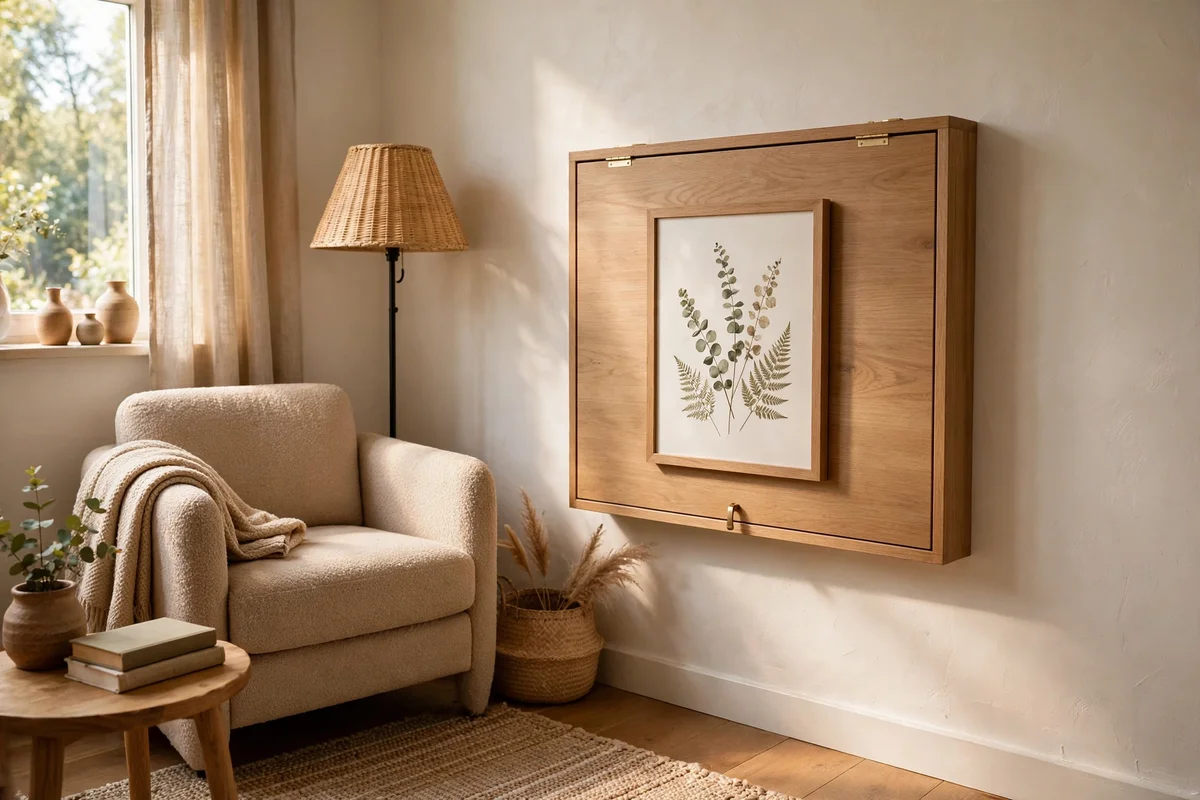
A wall mounted fold down desk, roughly 80 cm wide and 40 cm deep when open, gives the lounge a proper workspace that vanishes at dinner time. Mount it at 74 to 76 cm high, standard desk height, in a quiet corner near a socket. Inside, a small shelf holds a laptop and notebook; when folded, the front panel can display a framed print. It suits anyone who works from the sofa end of the room.
Fold down desks cost 70 to 160 pounds or dollars, and a simple drop leaf table works as a freestanding alternative. The mistake is mounting it where the open leaf blocks the main walkway; allow 75 cm of clear floor in front. Cable manage with one adhesive clip so leads do not dangle, and fold it away each evening so the room returns to rest.
13. Keep Main Walkways 75 cm Clear
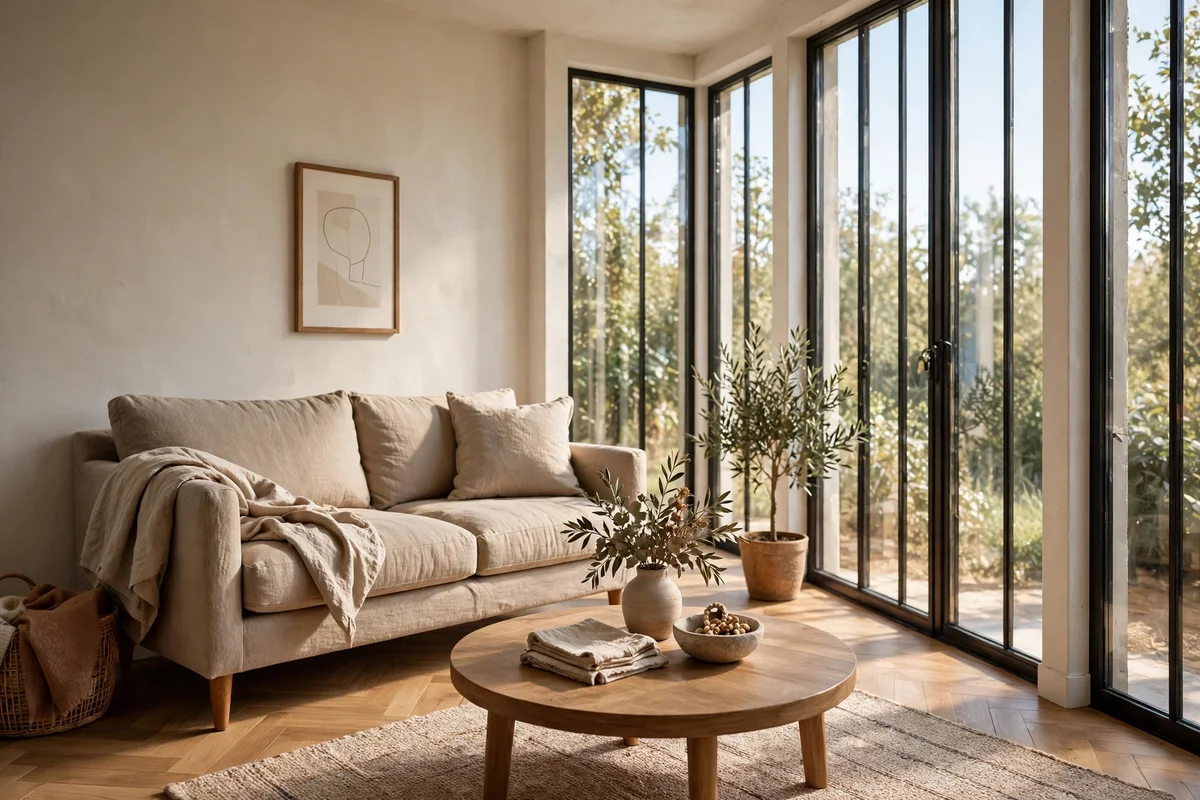
Clear walkways are the skeleton of a generous feeling room. Keep 75 to 90 cm free on the main routes from door to sofa and sofa to window, and 45 to 60 cm behind any chair someone must pass. Leave 35 to 45 cm between the coffee table and the sofa edge so legs stretch comfortably. Measure with the tape, then mark the routes with painter tape before rearranging anything.
This idea costs nothing but honesty, since the tape test often reveals that a favourite chair is the culprit. The mistake is measuring once and forgetting daily life; walk the routes with a laundry basket in your arms to test real use. Revisit the tape lines each season, because rooms drift as new pieces arrive, and trim back whatever has crept into the clear zones.
14. Remove the Extra Armchair First When It Feels Cramped
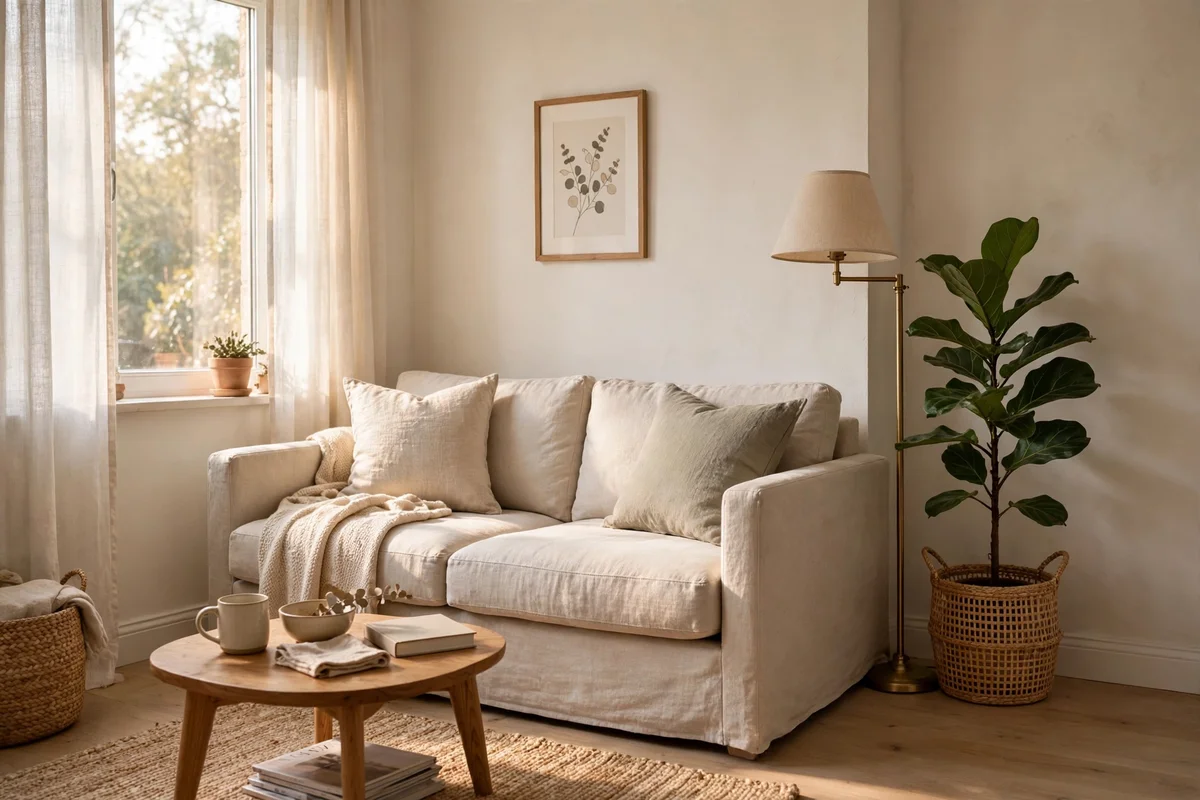
When a small lounge feels cramped, the first piece to question is the extra armchair. One oversized chair can block a sightline and swallow a square metre of floor that two slim chairs would share more gracefully. Move it to a bedroom or hallway for two weeks as a trial; most families never miss it. Keep the seating count honest: a compact lounge usually serves four comfortably, not six.
This edit costs nothing and often transforms the room overnight. The mistake is removing small useful pieces, like the side table, while the bulky chair stays; always subtract the largest visual block first. If you truly need the seat for guests, choose a folding chair stored flat behind a bookcase. Note how much calmer the room feels, and let that guide the next edit.
15. Lay One Rug Big Enough for All Front Legs
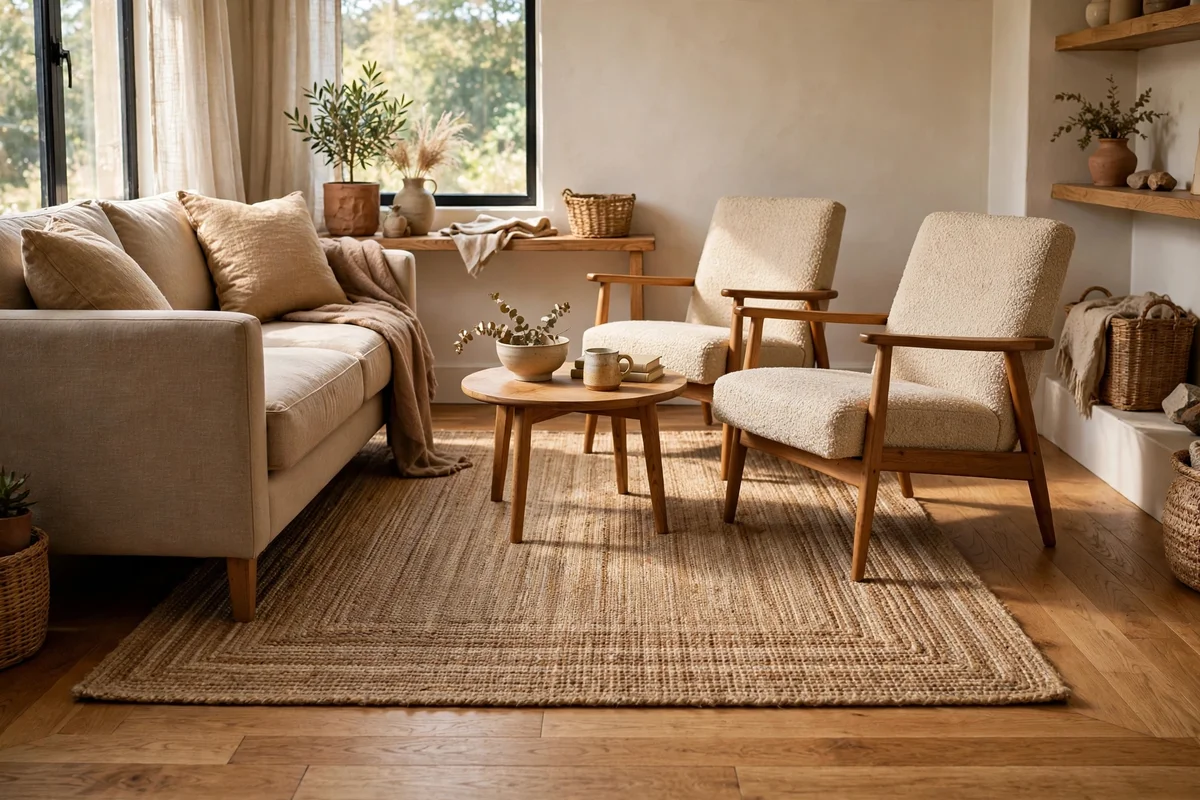
A rug that sits under the front legs of the sofa and chairs, usually 160 by 230 cm in a compact lounge, joins the seating into one generous island. A small floating rug that touches nothing makes each piece look stranded and the floor look busier. Choose a flatweave or low pile in jute, wool or washable cotton so doors clear it and cleaning stays simple. Leave 20 to 30 cm of bare floor between the rug edge and the walls.
Flatweave rugs in this size cost 80 to 200 pounds or dollars, with washable options at the lower end. The mistake is buying the rug before the furniture layout is final; the rug should follow the seating plan, not lead it. Vacuum weekly and rotate it twice a year so wear evens out, and use a thin anti slip underlay on hard floors rather than a thick pad that lifts the edges.
16. Trade Corners for a Small Round Coffee Table
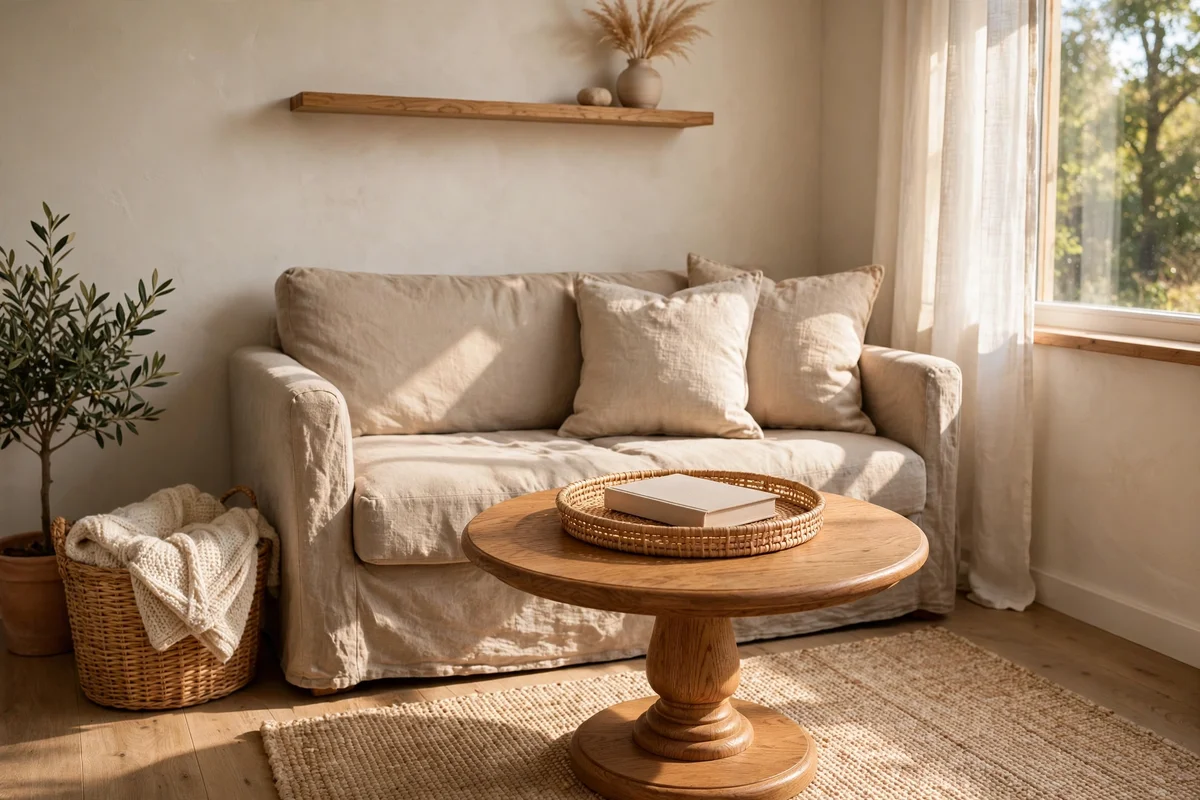
A round coffee table 70 to 90 cm across softens a small lounge in two ways: it has no corners to bruise shins in tight walkways, and its shape lets traffic flow around it naturally. A pedestal base keeps the floor visible underneath, which adds to the airy effect. Oak, walnut or travertine tops suit heritage palettes, and a lower shelf holds a neat stack of books.
Round tables cost 70 to 180 pounds or dollars depending on material, with second hand pedestal tables often under 50. The mistake is choosing a diameter over 90 cm, which turns the table back into a walkway blocker. Centre it 35 to 45 cm from the sofa edge, keep the top to a tray and one book, and coasters under every cup to protect the finish.
17. Pick Armless or Slim Arm Chairs
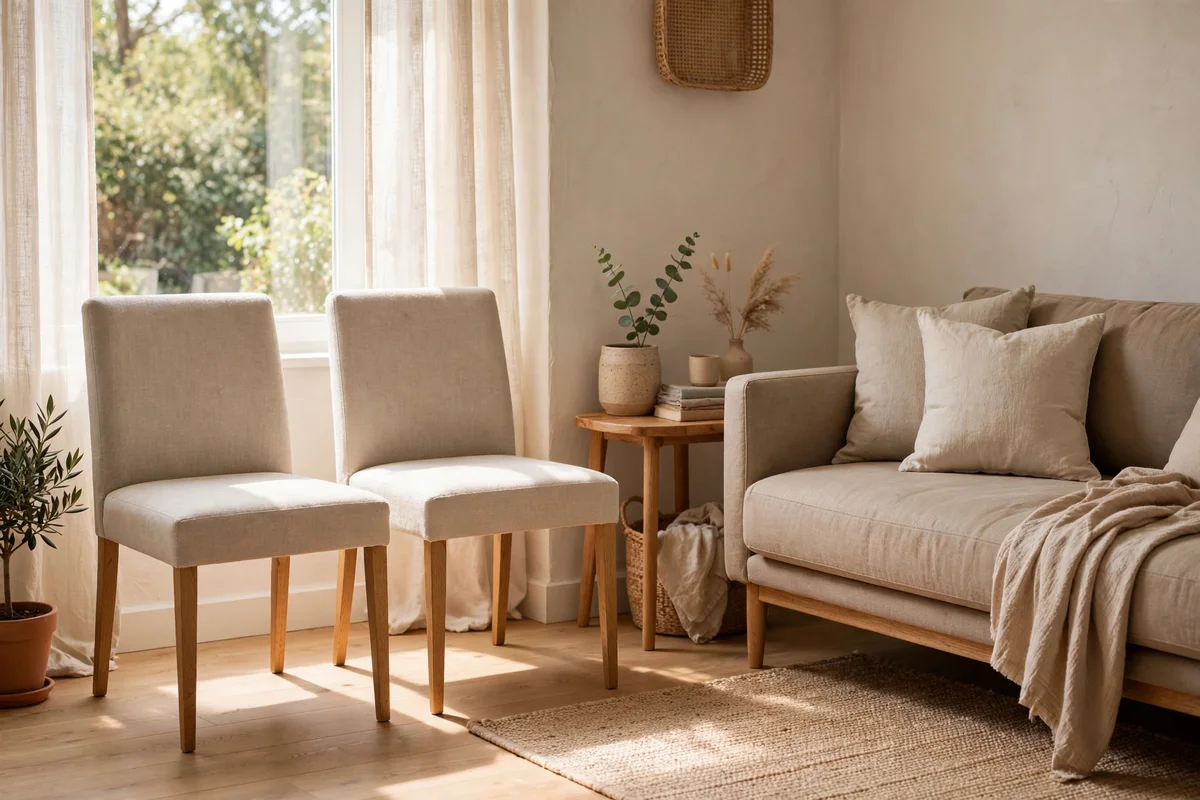
Armless accent chairs, or chairs with arms under 10 cm wide, seat just as comfortably as bulky armchairs while saving 20 to 30 cm of width each. In a compact lounge that saving is the difference between a clear walkway and a squeeze. Look for seat widths of 55 to 65 cm and backs around 80 cm tall so the chair tucks neatly beside the sofa. Linen or woven cotton covers keep them light to the eye.
Slim armchairs cost 120 to 300 pounds or dollars each, and dining style carver chairs work beautifully as lounge seating for less. The mistake is pairing two wide roll arm chairs with a full size sofa; the trio overwhelms rooms under 12 square metres. Test that the chair slides easily for cleaning, and choose timber legs that match the sofa so the set feels intentional.
18. Float Light Through a Glass Side Table
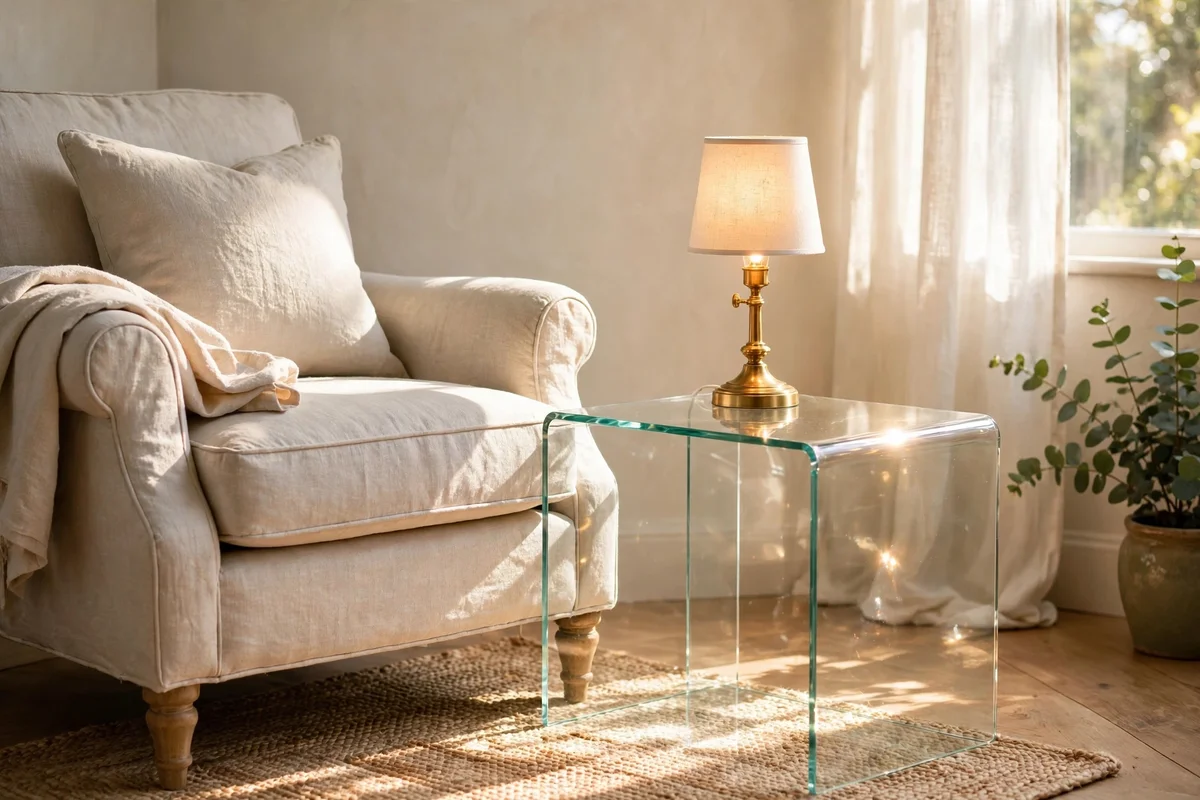
A glass or clear acrylic side table around 40 cm square takes up almost no visual space while giving you a proper spot for a lamp and a cup of tea. Because light passes through it, the table reads as air rather than furniture, which is precious in a compact corner. Choose tempered glass at least 8 mm thick with softly rounded edges, and keep the base slim in brass or pale timber.
Glass side tables cost 50 to 120 pounds or dollars, with acrylic versions slightly more. The mistake is letting fingerprints and dust build up until the transparency is lost; wipe the surfaces weekly with a damp microfibre cloth. Style it with one lamp and one small object only, since clutter on glass looks doubled, and check the weight rating before placing a heavy lamp on top.
19. Match Curtains to the Wall Colour
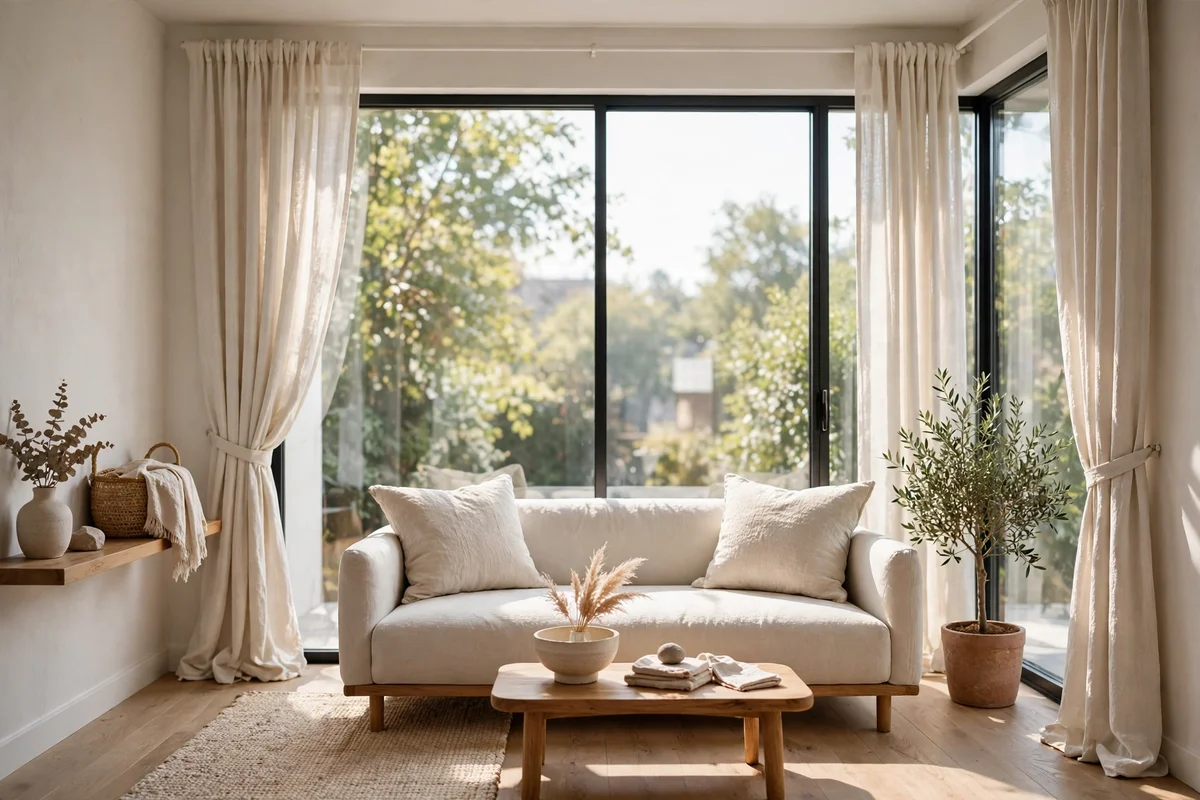
Curtains dyed close to the wall colour erase the boundary between window and wall, so the whole side of the room reads as one unbroken surface. In a small lounge this trick can add a perceived metre of width. Choose a fabric one or two tones deeper or lighter than the paint, in linen or cotton with a soft drape. Hang them high and wide, as described earlier, so the seamless line also stretches upward.
Dye matched ready made curtains cost 30 to 80 pounds or dollars per pair; take a paint chip to the shop for the closest match. The mistake is choosing a near match with a clashing undertone, pink beige curtains against yellow cream walls, which jars instead of blending. View the fabric against the wall in daylight before buying, and keep the pattern plain so nothing breaks the continuous line.
20. Pull the Sofa Off the Wall and Style the Gap
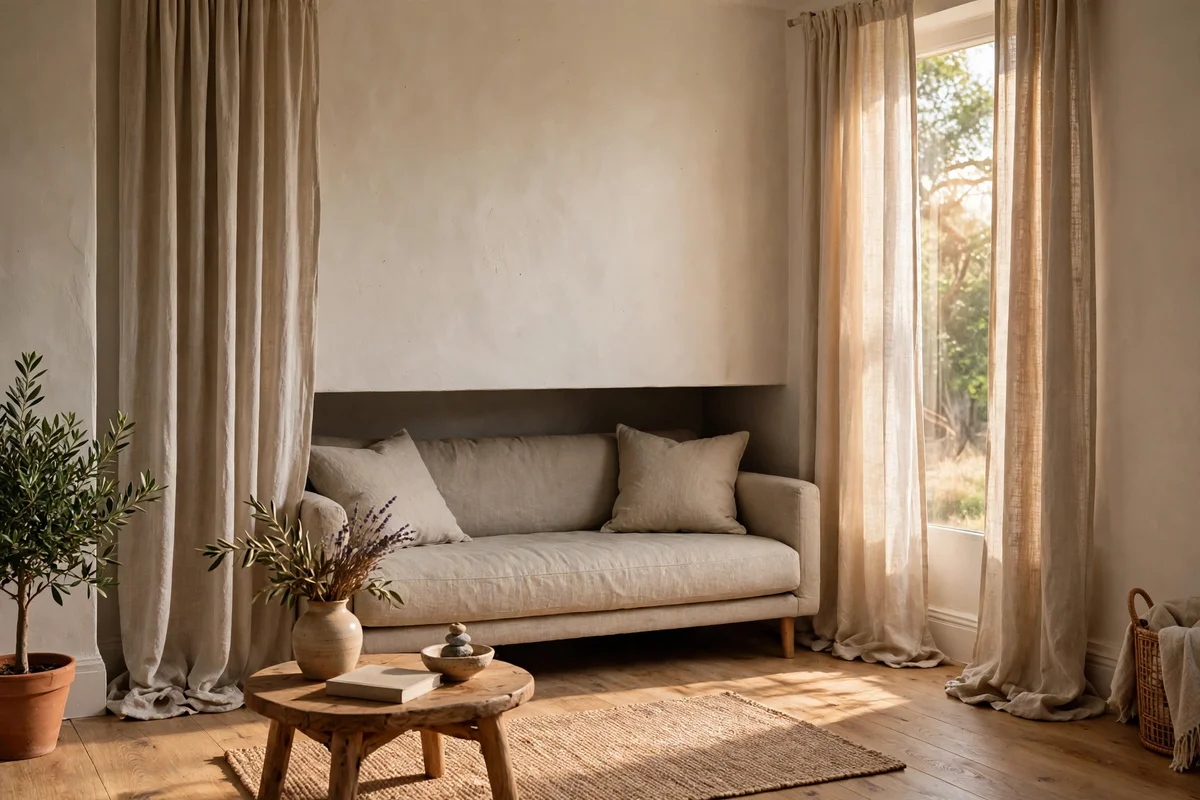
Floating the sofa 10 to 15 cm off the wall creates a shadow line that gives the room depth instead of a flat pressed look. The gap also lets curtains fall freely behind and makes cleaning simple with a slim vacuum head. In very small rooms this feels counterintuitive, but the breathing space reads as generosity rather than waste. Style the ledge behind with nothing, or one slim console no deeper than 25 cm.
This move costs nothing and pairs well with tall curtains hung wider than the window. The mistake is pulling the sofa 40 cm out and losing the walkway in front; 10 to 15 cm is the sweet spot. If the gap collects clutter, place a narrow basket there for throws so it stays intentional. Check the sofa back is finished neatly, since it now shows.
21. Line High Shelves With Trailing Greenery
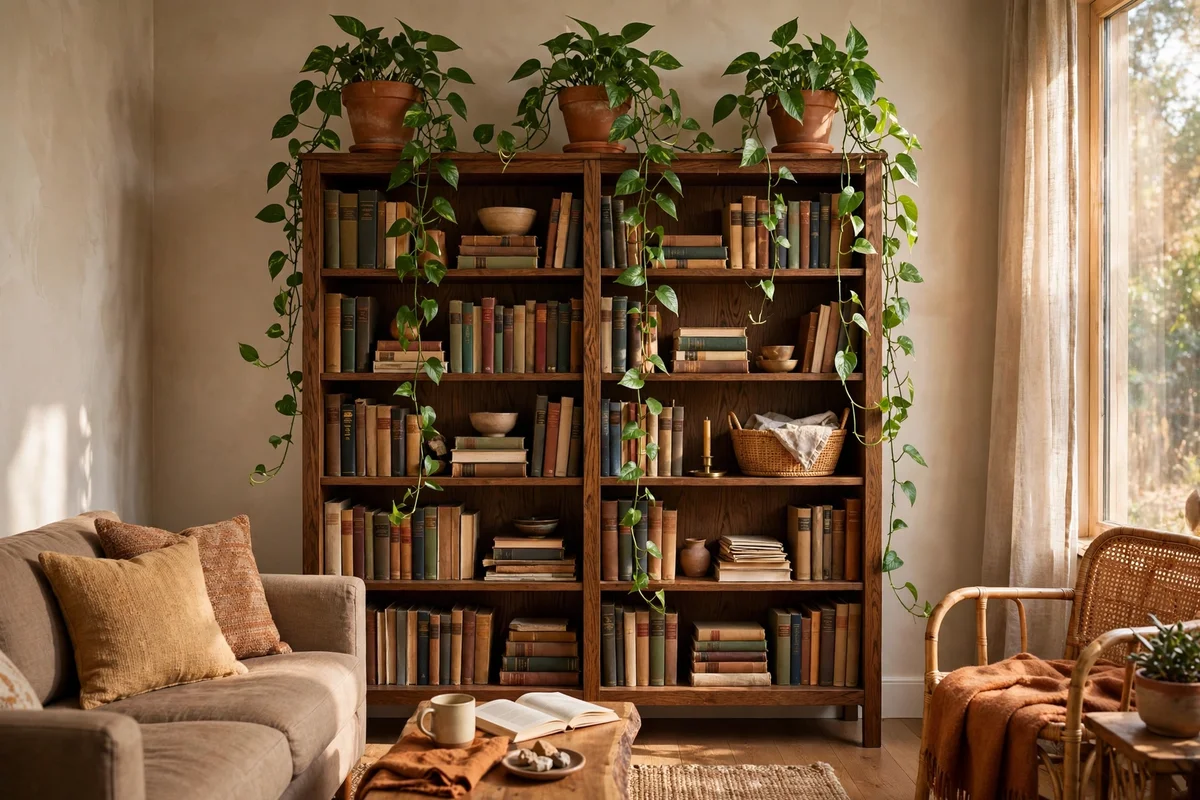
Trailing plants on the top shelf of a bookcase or on a high picture ledge draw the eye upward and soften the hard line where wall meets ceiling. Choose easy trailers like pothos or heartleaf philodendron in simple ceramic or terracotta pots, and let stems fall 40 to 60 cm for the full effect. Greenery adds life without taking a centimetre of floor, which is exactly what a compact lounge needs.
Small trailing plants cost 8 to 20 pounds or dollars, and cuttings from friends root free in water within weeks. The mistake is choosing high maintenance plants that drop leaves onto the shelves; stick to forgiving varieties and water only when the top 3 cm of soil is dry. Dust the leaves monthly with a damp cloth so they catch the light, and rotate pots quarterly for even growth.
22. Lift Light With a Corner Floor Lamp
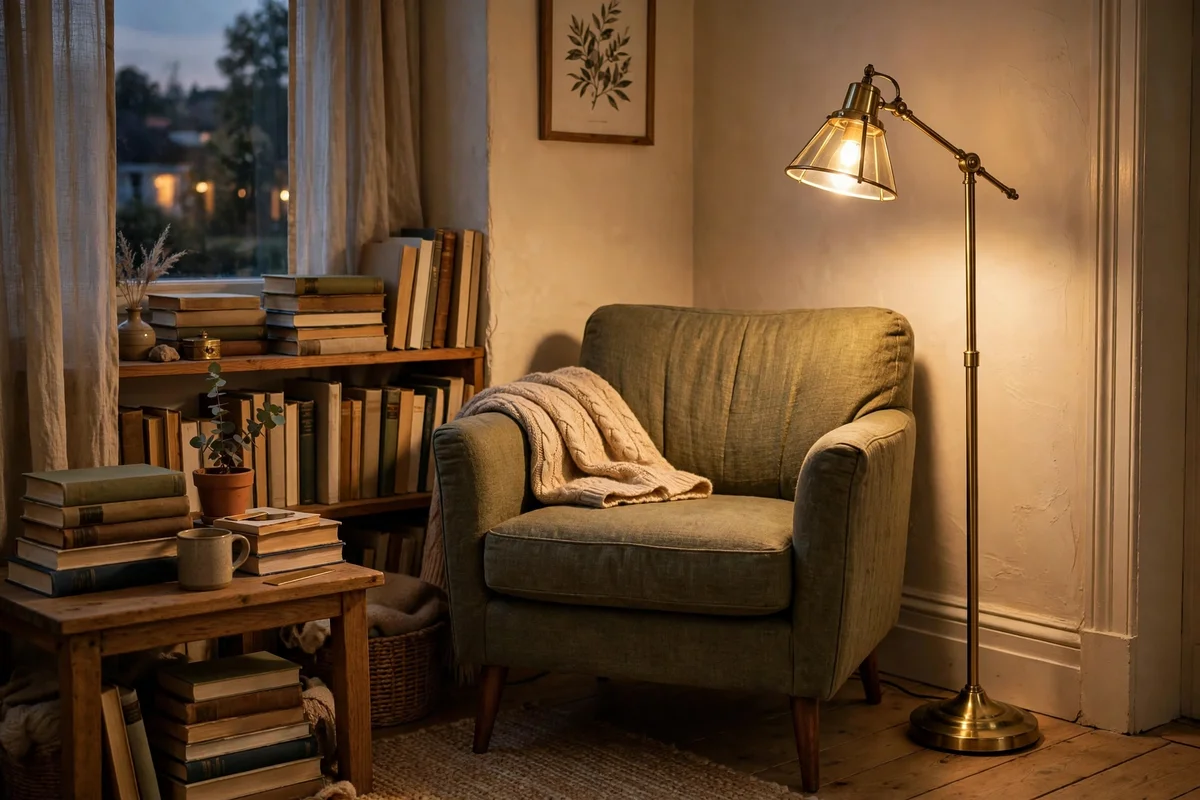
A slim arc or pharmacy floor lamp tucked into a dark corner lifts light off the side tables and frees their surfaces. Choose a lamp 150 to 170 cm tall with a warm 2700K bulb so the pool of light feels like evening sun rather than office glare. An arc arm that reaches 80 to 100 cm over the sofa arm gives reading light exactly where it is needed without a bulky table lamp base.
Floor lamps cost 40 to 120 pounds or dollars, with second hand brass pharmacy lamps often under 50. The mistake is placing the lamp where its cord crosses the walkway; route cables along the skirting with adhesive clips. Use a warm dimmable bulb and switch it on at dusk daily, since layered light is what makes a small room feel welcoming after dark rather than flat and shadowy.
23. Choose Two Small Chairs Instead of a Second Sofa
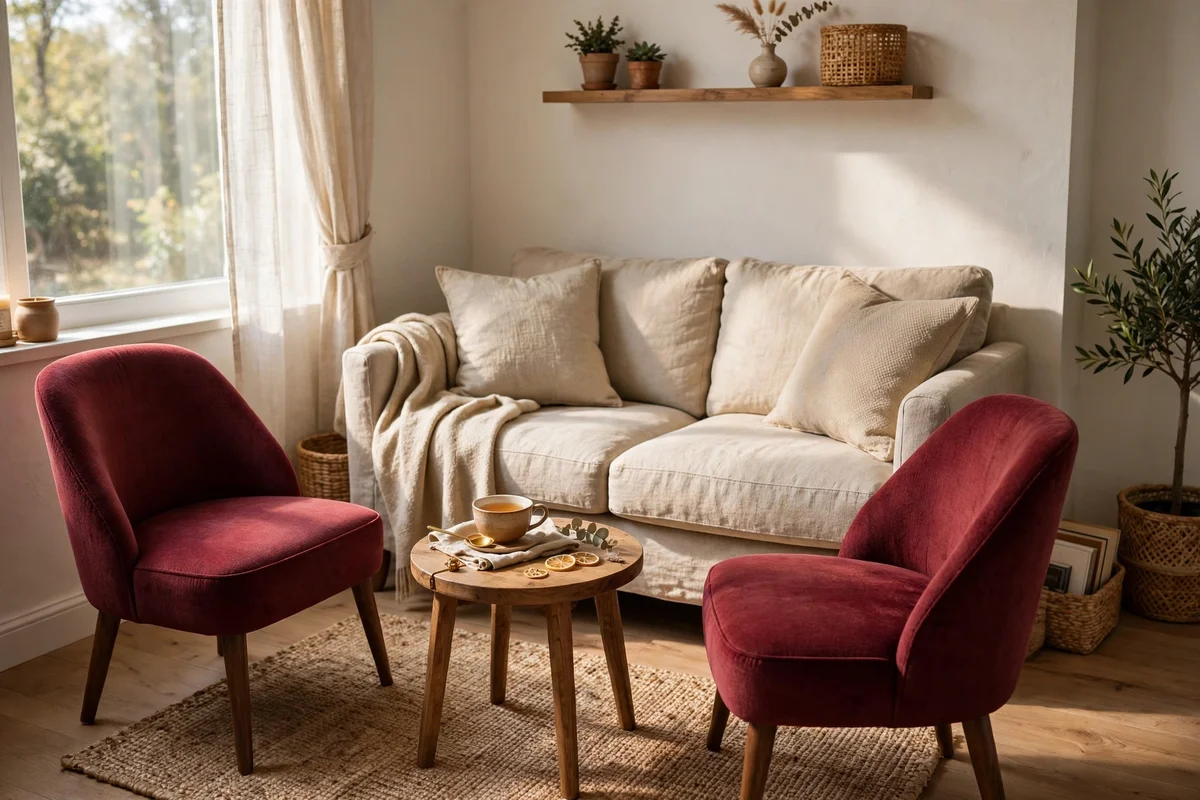
A second full sofa in a compact lounge usually blocks light and walkways, while two small chairs around 60 cm wide each offer the same seating with air between them. Angle the chairs slightly toward the sofa to shape a conversation circle, leaving 50 to 60 cm gaps that keep traffic flowing. Armless or slim arm designs in a heritage accent colour add character without visual weight.
Two small chairs cost 150 to 400 pounds or dollars together, and vintage dining carvers often come cheaper in pairs. The mistake is pushing all seating against the walls; pull the chairs 10 cm forward so the arrangement feels gathered rather than exiled. Add one shared side table between them for tea, and keep chair backs below the windowsill so daylight still reaches the room.
24. Corral Clutter in Lidded Baskets on One Console
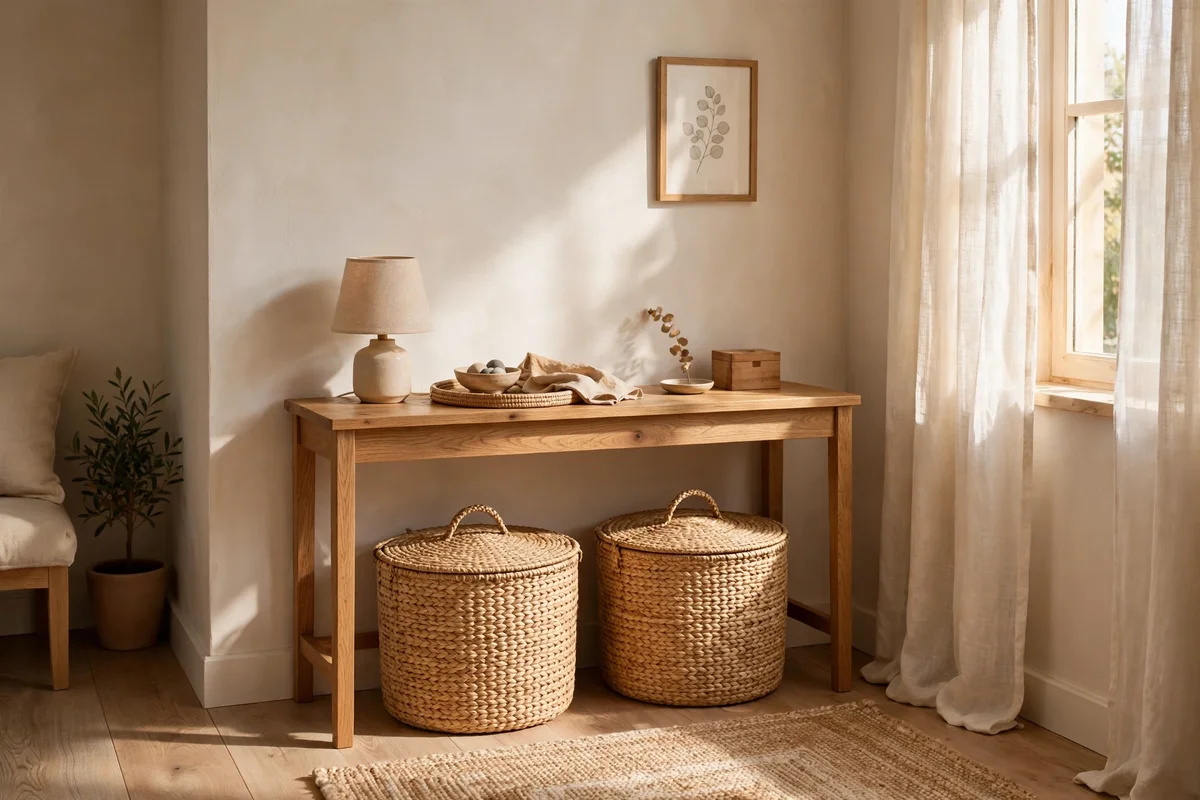
One slim console, 90 to 120 cm long and no deeper than 30 cm, with two or three lidded baskets underneath, swallows the daily clutter that makes small rooms feel chaotic. Remotes, chargers, toys and spare throws each get a basket, and the lids keep the look calm. Choose seagrass, rattan or lidded fabric boxes in tones that echo the rug so the storage reads as decor.
Consoles cost 60 to 150 pounds or dollars, and baskets 10 to 25 each. The mistake is scattering small storage across every corner, which multiplies visual noise; one consolidated station stays calmer. Label the baskets inside the lid if the family mixes them up, and empty each basket monthly so forgotten items do not accumulate. Keep the console top to a lamp and one tray.
25. Edit Every Surface Back to Seventy Percent Clear
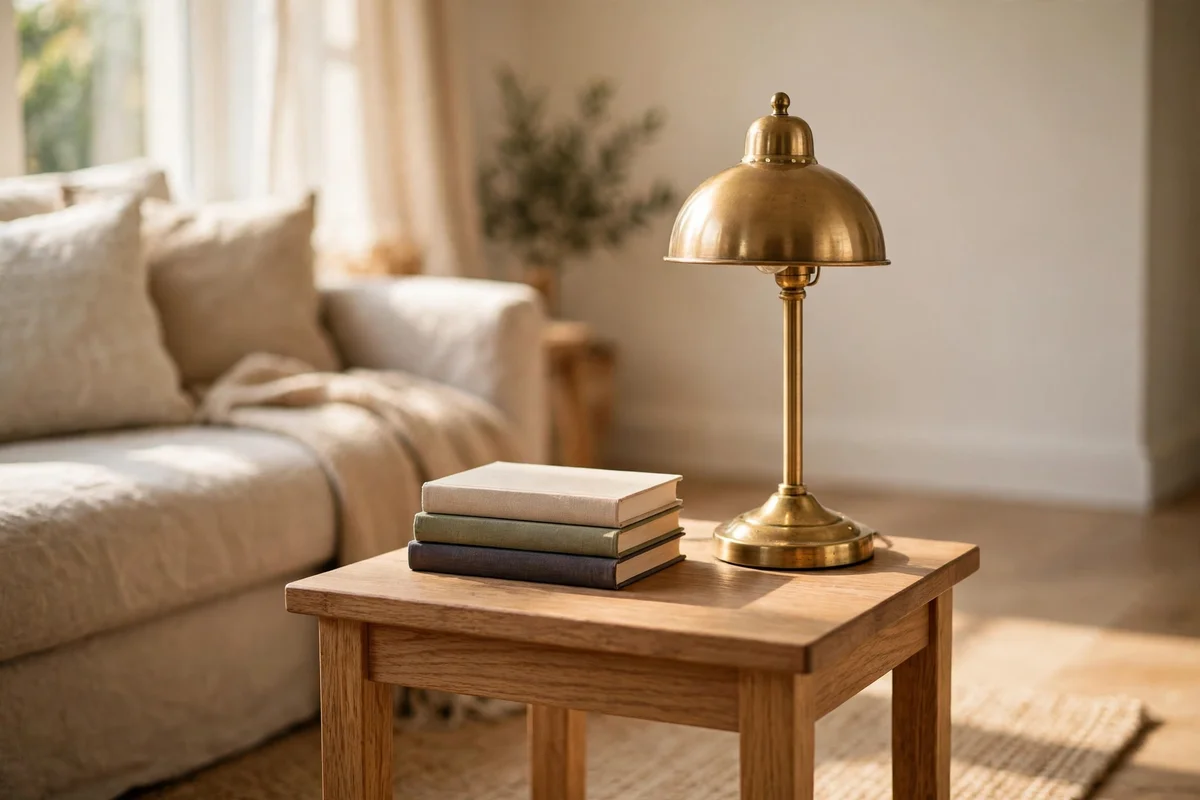
The final and freest idea is an editing rule: keep every tabletop, shelf and mantel at least seventy percent clear. A surface that is mostly empty lets the few chosen objects, a lamp, a small stack of books, a ceramic vase, breathe and be seen. Walk the room with a laundry basket once a month and relocate anything that has drifted in without purpose. Rooms feel larger the moment surfaces calm down.
This habit costs nothing and protects every other idea in this article, since even perfect furniture drowns under clutter. The mistake is treating the edit as a single spring clean; small rooms re-clutter weekly, so the monthly basket walk matters. Photograph each surface after editing and keep the photo on your phone; it becomes the target to return to whenever the room starts feeling tight again.
A small living room becomes generous through a handful of honest moves: a sofa sized to two thirds of its wall, legs that show the floor, one large mirror, curtains hung high, and storage that climbs or folds away. None of these ask for a renovation, and most cost less than a single bulky armchair. Keep the palette light, let timber and one heritage colour do the warming, and leave walkways clear.
This week, try the easiest win first: edit one surface back to seventy percent clear and pull the curtains to their full width. The room will feel taller and calmer by evening, and that small success makes the bigger moves, like resizing the rug or swapping the coffee table, feel simple. Measure twice, choose slowly, and enjoy a lounge that finally fits the life lived in it.
Frequently Asked Questions
What size sofa suits a small living room?
Aim for a sofa no wider than two thirds of its wall, usually 150 to 180 cm in compact rooms, with a seat depth of 85 to 95 cm. Low backs around 65 to 75 cm tall and slim or no arms save precious centimetres. Measure the wall before shopping and leave at least 10 cm of bare wall on each side so the piece sits comfortably.
How wide should walkways be in a compact lounge?
Keep 75 to 90 cm clear on the main routes between door, sofa and window. Behind a chair, 45 to 60 cm is enough to pass comfortably. A coffee table needs 35 to 45 cm from the sofa edge so legs stretch without squeezing. Mark walkways with painter tape on the floor before buying anything; it reveals pinch points instantly.
Can I use dark colours in a small living room?
Yes, as a single heritage accent rather than a base. Keep walls, sofa and curtains light, then add depth with one deep tone such as forest green, burgundy or navy on cushions, one chair or a painted bookcase. Dark colours recede when used sparingly, which adds richness without shrinking the room. Balance with warm timber and plenty of natural light.
How can renters make a small lounge feel bigger without drilling?
Lean a large mirror against the wall opposite the window, hang curtains from tension rods fitted high and wide, and use freestanding tall bookcases instead of wall mounted shelves. Picture ledges need only two small screws, and many landlords accept those. Storage ottomans, nesting tables and lidded baskets add function with zero fixings.
What should I remove first when the room feels cramped?
Start with the extra armchair or the oversized coffee table, since bulky single pieces block sightlines fastest. Next, clear surfaces to seventy percent empty and remove any rug too small to anchor the seating. One large mirror stays, two small mirrors go. Each removal opens a sightline, and three removals usually restore the sense of space.